

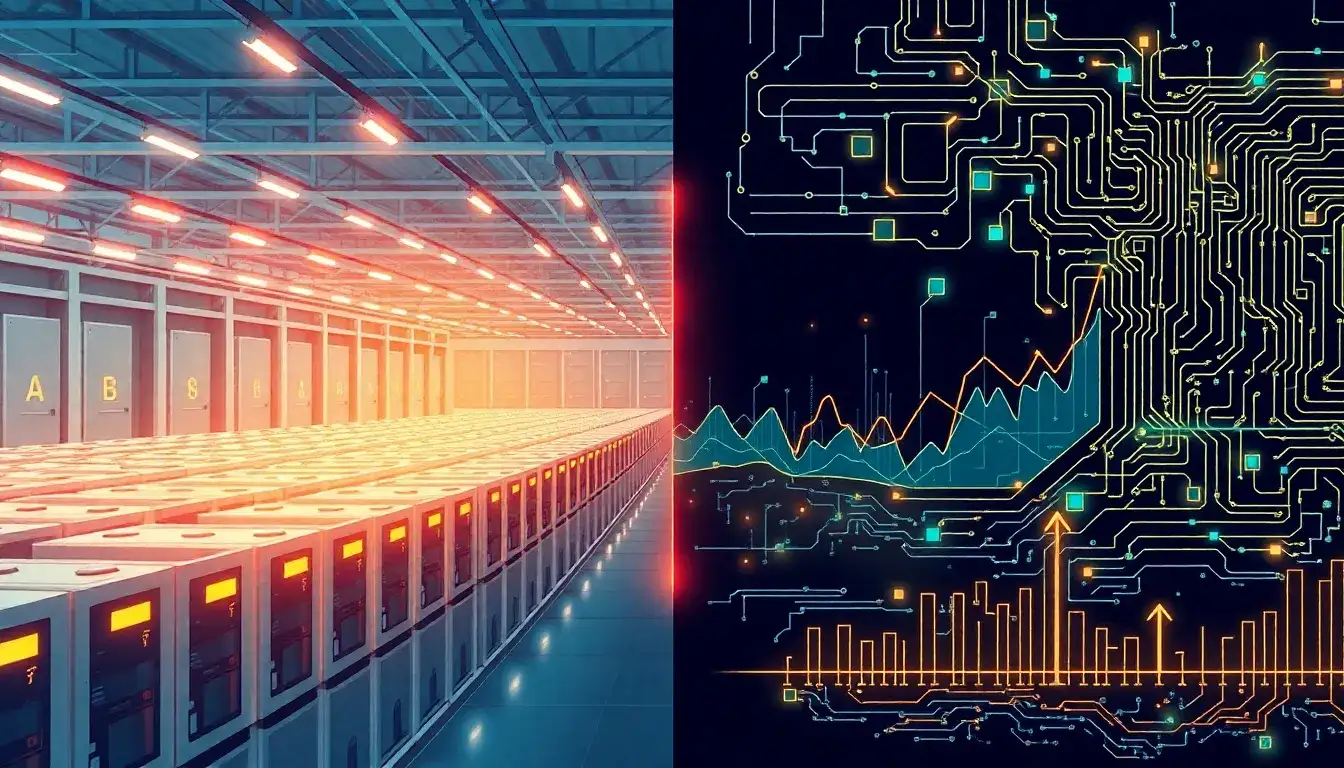
Technical Complexity
AI models require vast datasets to optimize energy storage performance, but inconsistent data quality and real-time processing demands complicate algorithm training. Managing the dynamic nature of renewable energy outputs (e.g., solar/wind intermittency) further strains AI systems, which must balance grid stability with storage efficiency.
High Upfront Costs
Deploying AI-driven energy storage systems involves significant investment in advanced hardware, software, and infrastructure. This includes AI-optimized battery management systems and grid-scale storage facilities, which remain cost-prohibitive for many regions.
Scalability and Infrastructure
Large-scale implementation requires robust infrastructure, such as smart grids capable of bidirectional energy flows. Many existing grids lack the connectivity and computational frameworks needed for AI-driven demand forecasting and storage optimization.
Balancing Innovation and Reliability
While AI enhances battery efficiency and grid management, over-reliance on these systems introduces risks, such as algorithmic biases or failure points during extreme weather events. Ensuring AI models adapt to rapidly changing energy profiles without compromising grid resilience remains critical.
Lifespan and Maintenance
AI must continuously adapt to degradation in energy storage components (e.g., lithium-ion batteries) while optimizing charge cycles. Predicting long-term performance requires ongoing algorithm refinement, adding operational complexity.
These challenges highlight the need for interdisciplinary collaboration, standardized data protocols, and policy support to accelerate AI’s role in energy storage.
Original article by NenPower, If reposted, please credit the source: https://nenpower.com/blog/what-are-the-main-challenges-in-integrating-ai-with-energy-storage/

