

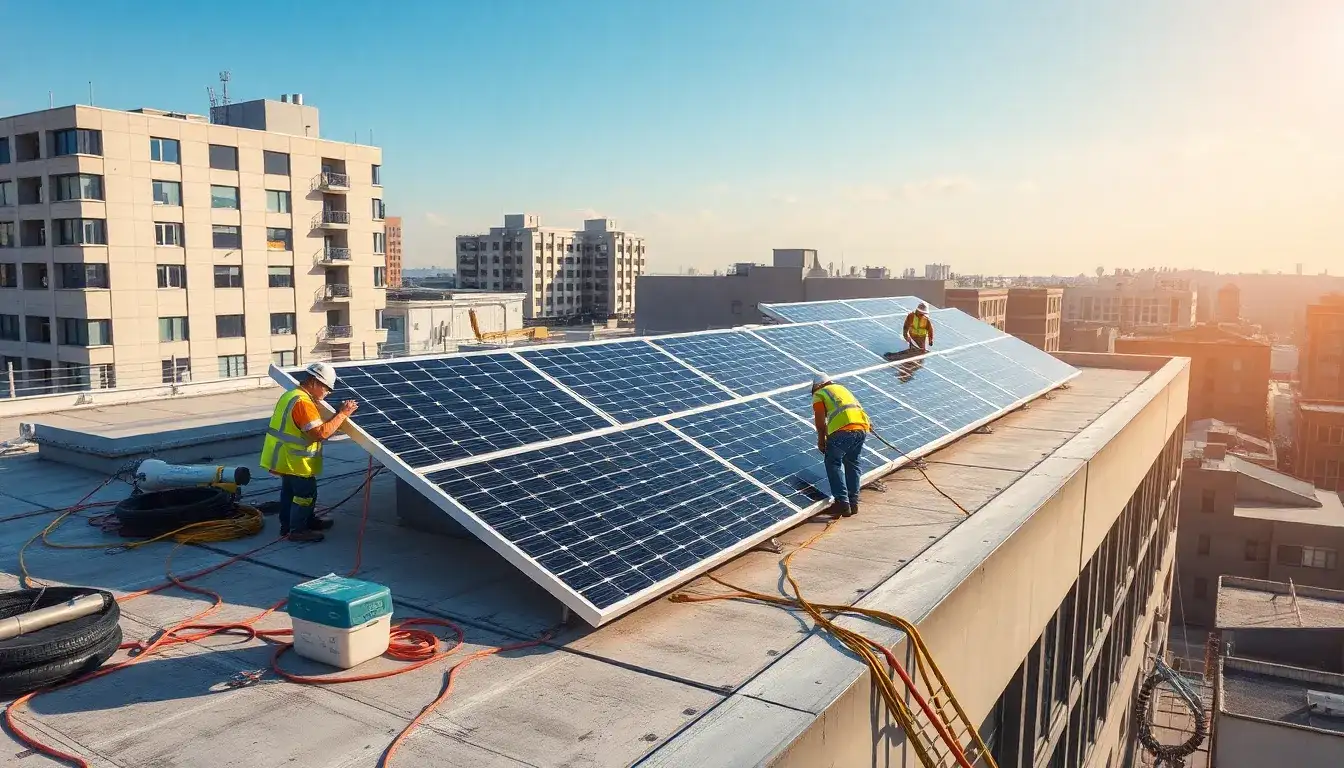
The main challenges in installing bifacial solar panels arise from their unique design and operational requirements compared to traditional monofacial panels. These challenges include:
Installation Complexity and Planning
- More Planning and Expertise Needed: Installing bifacial panels requires careful consideration of tilt angle, panel height, mounting systems, and shading on both front and rear sides, all of which add complexity and cost to the installation process.
- Special Mounting Systems: Bifacial panels often need elevated mounting systems to optimize rear-side light capture, which can complicate the mounting process and require stronger structural support, especially for taller installations.
- Orientation and Tilt Optimization: Since bifacial panels harvest light from both sides, precise orientation and tilt are crucial to maximize energy yield. This contrasts with monofacial panels where only front-side sunlight matters.
Cost Considerations
- Higher Upfront Costs: Bifacial panels generally cost around 10% more than monofacial panels, not only due to the panel price but also due to additional installation complexities such as stronger racking systems and potential need for tracking technology.
- Increased Labor and Transport Costs: They are heavier owing to their dual-glass design, which requires special handling, transportation, and more labor-intensive installation methods. This adds to the overall project cost.
- Potential Need for More Expensive Components: Wiring, fuses, and inverters might need to be upsized to handle the higher power output and ensure system reliability.
Environmental and Site-Specific Challenges
- Dependence on Reflective Surfaces: The enhanced performance of bifacial panels heavily depends on the reflectivity (albedo) of the ground or nearby surfaces. Surfaces like white gravel, snow, or sand can boost output, but dark or non-reflective surfaces (e.g., black roofs) can reduce benefits.
- Shading Sensitivity: Shading on either side of the panel can significantly reduce performance. This includes shadows from trees, buildings, or even the mounting frame itself, necessitating thorough site analysis and shading mitigation efforts.
- Cleaning and Maintenance: Both sides of bifacial panels must be cleaned regularly to maintain optimal efficiency, which can be more time-consuming and costly compared to monofacial panels.
- Thermal Management: Proper ventilation and spacing are important to prevent overheating, which can degrade panel performance and lifespan.
- Snow, Ice, and Environmental Factors: In colder climates, snow and ice can accumulate not just on the front but also the rear side of the panels, complicating cleaning and reducing efficiency. Seasonal and weather-related factors may require adaptive strategies in installation and maintenance.
Electrical and System Integration Issues
- Inverter Compatibility: Due to potentially higher and variable power output, existing inverters may not be compatible, requiring more advanced or microinverter systems to manage output effectively.
- Monitoring Difficulties: Standard monitoring systems might not accurately capture bifacial panel output because of the dual-sided nature, necessitating specialized monitoring solutions.
Structural and Mechanical Concerns
- Weight and Load on Structures: The heavier bifacial panels impose greater loads on mounting structures and buildings, requiring more robust designs and potentially limiting use on certain rooftops or sites with structural constraints.
- Mechanical Integrity Checks: Regular inspections are needed to ensure mounting stability and electrical connection integrity due to the more complex installation.
Summary Table of Main Challenges
| Challenge Area | Description |
|---|---|
| Installation Complexity | Requires specialized mounting, tilt/orientation optimization, shading management |
| Higher Costs | More expensive panels, mounts, labor, transport, and possibly tracking systems |
| Dependence on Reflectivity | Performance relies on ground or surrounding reflective surfaces |
| Cleaning and Maintenance | Dual-sided cleaning needed to prevent soiling and efficiency loss |
| Shading Impact | Shading on front or rear side reduces efficiency |
| Electrical Integration | Inverter compatibility and specialized wiring for dual-side output |
| Structural Load | Heavier panels require stronger supports, may limit roof applicability |
| Environmental Factors | Snow, ice, temperature management, and weather variability affect performance |
| Monitoring and Data Accuracy | Need for specialized systems to monitor bifacial output accurately |
These challenges make bifacial solar panel installation more complex and costly compared to traditional panels but also enable potentially higher energy yields when properly addressed.
Original article by NenPower, If reposted, please credit the source: https://nenpower.com/blog/what-are-the-main-challenges-in-installing-bifacial-solar-panels/

