

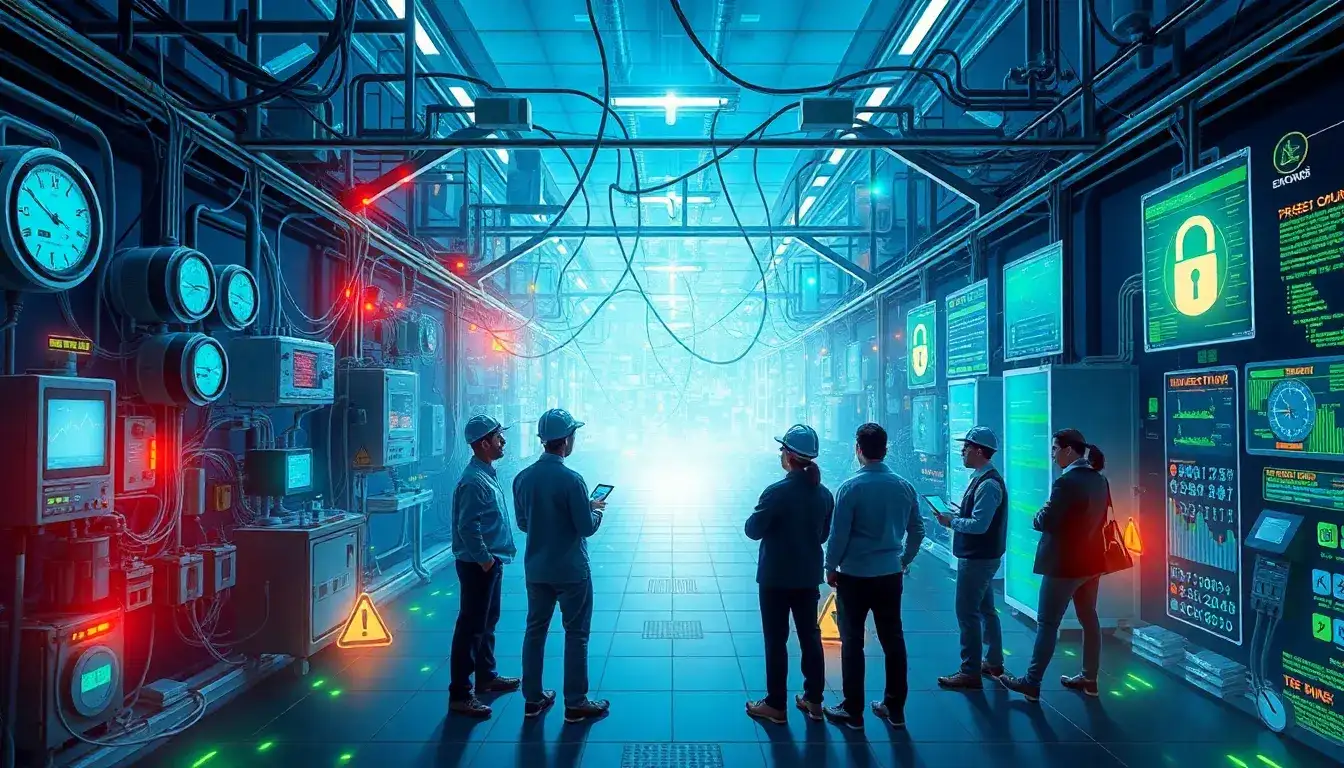
Main Challenges in Implementing Real-Time Energy Monitoring Systems
-
Start-up Costs and Initial Investment
- The initial setup of real-time energy monitoring systems requires significant investment in infrastructure such as sensors, meters, data analysis software, and training personnel.
- Smaller organizations might find these costs prohibitive.
-
Complexity in Handling Vast Amounts of Data
- Real-time monitoring generates a large volume of data, which can be challenging to process accurately. This requires skilled data analysts or software experts to manage and interpret the data effectively.
-
Privacy and Security Concerns
- These systems collect sensitive data that must be securely stored and managed to prevent breaches, adding to the overall cost.
-
Technical Failures and Dependencies
- Reliance on automation and sophisticated systems can lead to vulnerabilities if these systems fail or become outdated.
-
Technical Integration Difficulties
- Integrating new systems with existing infrastructure can be complex, especially if different software platforms are used.
-
Legacy System Compatibility
- Many existing energy systems operate on legacy protocols, making integration with modern technologies challenging.
-
Cybersecurity Risks
- Introducing new technologies increases the risk of cyber threats, particularly in sectors relying on secure communication protocols.
-
Data Validation and Sensor Reliability
- Ensuring the accuracy and reliability of data from sensors is crucial but challenging, especially in distributed networks.
Addressing these challenges is essential for the successful implementation and operation of real-time energy monitoring systems.
Original article by NenPower, If reposted, please credit the source: https://nenpower.com/blog/what-are-the-main-challenges-in-implementing-real-time-energy-monitoring-systems/

