

The main challenges in implementing liquid air energy storage (LAES) systems include:
- Low Round-Trip Efficiency: LAES systems generally have a round-trip energy efficiency between 50% and 70%, which is significantly lower than alternatives like lithium-ion batteries. This relatively low efficiency reduces the overall energy returned compared to energy input, posing a technical challenge for cost-effectiveness and performance.
- High Capital Costs: The initial investment required for LAES facilities is substantial. Early estimates put costs around £500 per kilowatt-hour. Although costs are expected to decrease with technological advancements and scaling, the high upfront capital expense is a barrier to widespread adoption without policy support or incentives.
- Economic Viability and Need for Financial Incentives: Research indicates that improving energy efficiency alone has limited impact on the economic viability of LAES. Instead, financial incentives such as subsidies on capital expenditures (e.g., 40-60% subsidies) are much more effective in making LAES projects economically attractive to investors. Policy frameworks are crucial to accelerate LAES deployment, as technical improvements alone might not secure necessary investments.
- Grid Integration and Storage Duration Optimization: Determining optimal storage capacity and duration (e.g., one day vs. one week vs. one month) impacts the system’s economic return. Weekly storage durations appear more economically viable under aggressive decarbonization scenarios than longer durations, indicating challenges in balancing capacity with actual grid needs.
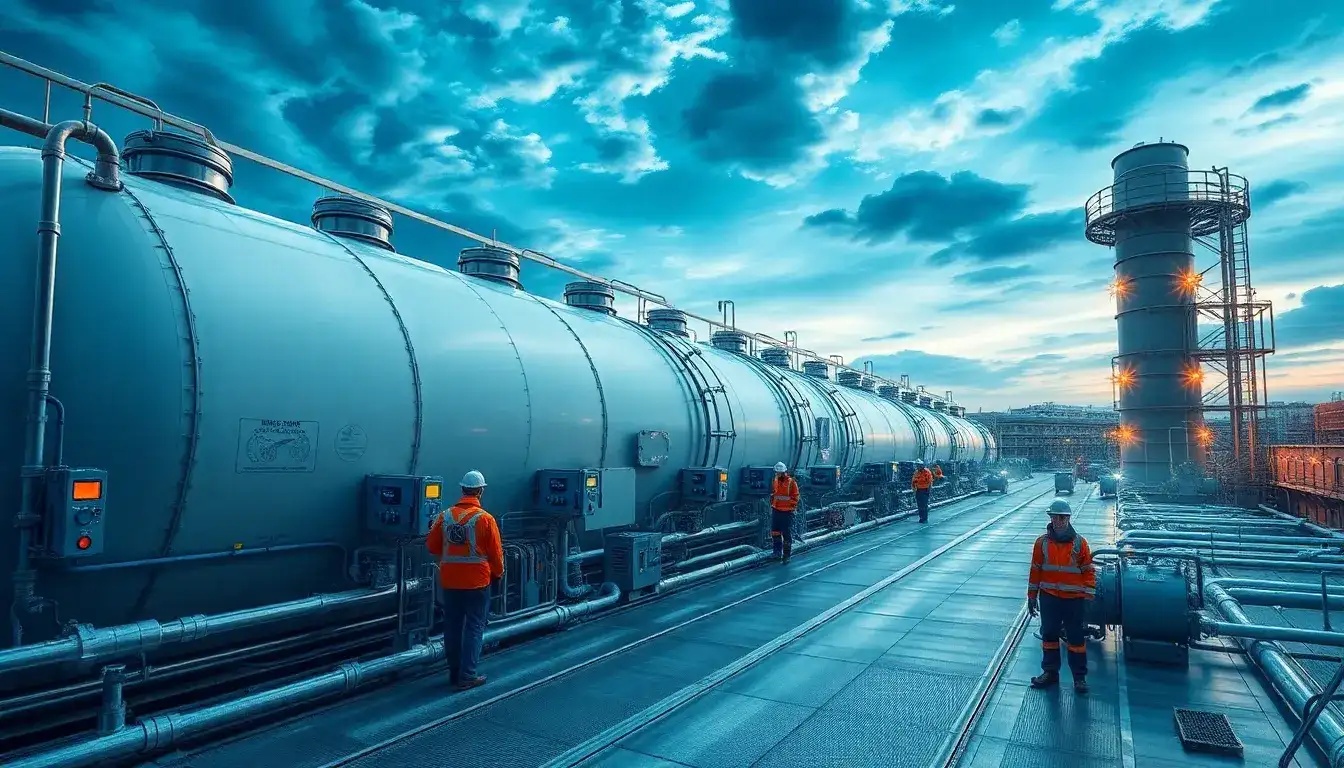
- System Scale and Infrastructure: LAES systems require significant infrastructure to liquefy, store, and regasify air. Managing large volumes and ensuring safe, efficient operation at grid scale present engineering and logistical challenges. Research also points to potential challenges related to storage volumes and physical footprint, especially if scaled up significantly.
In summary, the main challenges for implementing LAES systems are technical limitations in efficiency, high capital costs, the need for supportive financial policies to improve economic viability, and engineering complexities related to large-scale storage infrastructure and integration with power grids.
Original article by NenPower, If reposted, please credit the source: https://nenpower.com/blog/what-are-the-main-challenges-in-implementing-liquid-air-energy-storage-systems/

