

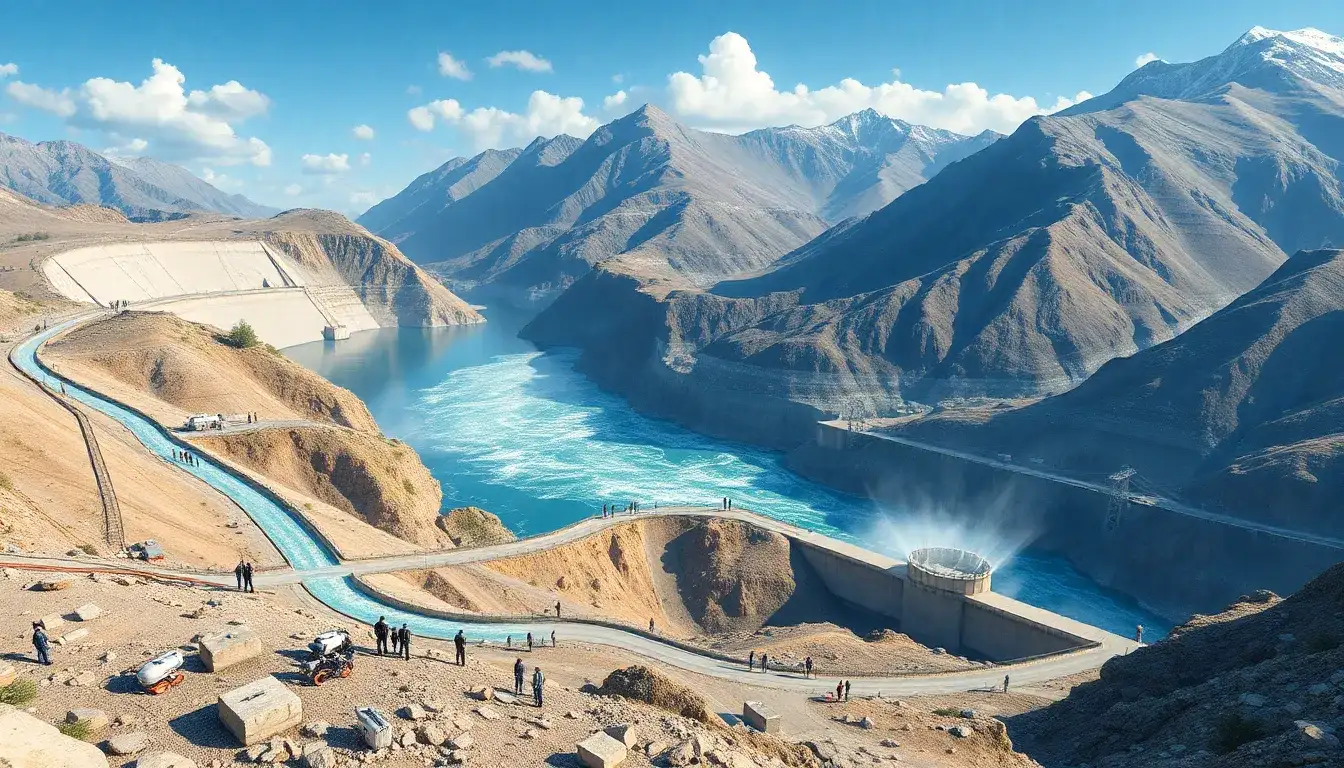
Closed-loop pumped hydro storage projects, while offering environmental advantages over open-loop systems, still face several significant implementation challenges:
Economic and Logistical Barriers
- High capital costs and long timelines: These projects require substantial upfront investment and extended construction periods compared to solar or wind projects.
- Revenue uncertainty: Like all energy storage systems, they face unpredictable revenue streams due to evolving grid dynamics and market structures.
Environmental and Siting Hurdles
- Land acquisition complications: Projects must avoid protected lands, settlements, or agricultural zones, with challenges in vegetation clearing and ownership disputes.
- Geological/groundwater risks: Closed-loop systems using groundwater may increase impacts on local geology and water resources compared to some open-loop projects.
- Topographical constraints: Requires specific elevation differences between reservoirs, limiting suitable sites despite greater flexibility than open-loop systems.
Regulatory and Technical Challenges
- Permitting complexities: While closed-loop systems face fewer aquatic impact concerns, they still encounter lengthy permitting processes common to all hydropower projects.
- Grid integration: Must adapt to variable renewable energy curtailment patterns and generation-following demands, as seen in regional grid operator challenges.
Despite these barriers, closed-loop systems are gaining traction due to reduced aquatic ecosystem impacts and easier licensing pathways compared to river-connected alternatives.
Original article by NenPower, If reposted, please credit the source: https://nenpower.com/blog/what-are-the-main-challenges-in-implementing-closed-loop-pumped-hydro-projects/

