

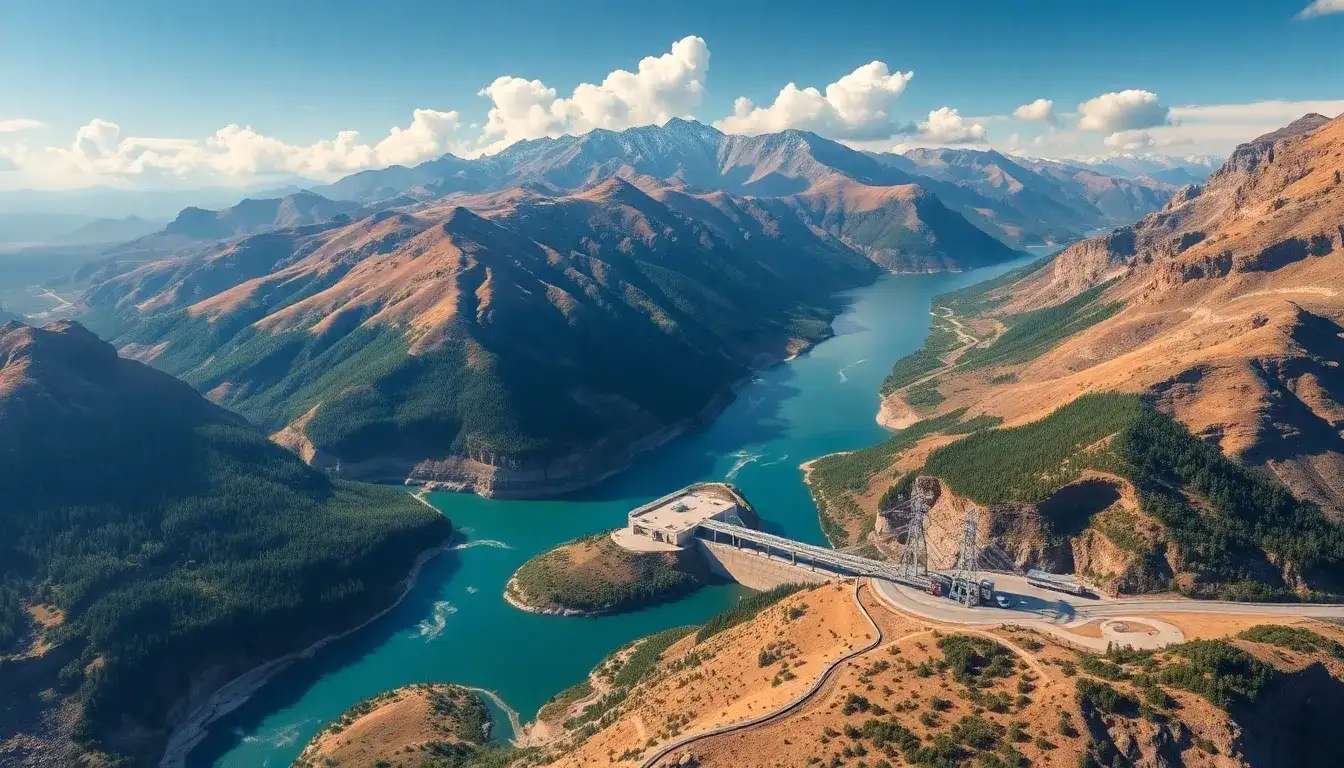
The main challenges in finding suitable locations for pumped hydroelectric projects primarily revolve around environmental, geographical, social, regulatory, and economic factors:
Environmental Challenges
- Many traditional pumped storage projects involved building large dams on mainstem rivers, significantly altering river ecosystems and aquatic habitats. Due to heightened environmental awareness, such large-scale impacts are now largely unacceptable, requiring developers to focus on sites with minimal ecological disturbance or to implement mitigation measures.
- Construction of reservoirs and dams can disrupt local ecosystems, affecting water flow and wildlife habitats, raising concerns among environmental groups and regulatory bodies.
- Sites often overlap with areas of high environmental or social value, including natural reserves and culturally significant lands, intensifying the challenge of balancing development with conservation and indigenous rights.
Geographical and Topographical Limitations
- Suitable pumped storage sites require significant elevation differences between reservoirs, typically demanding high, steep hillsides or cliffs to create the necessary head for energy storage and generation. Such topographies are limited and often coincide with landscapes valued for their natural beauty or conservation status.
- Water availability is critical; pumped storage depends on consistent water resources, which can be scarce or contested, especially in regions such as Australia. Securing reliable water supply and navigating water rights pose significant hurdles.
Social and Community Considerations
- Local communities may oppose projects due to concerns about environmental impacts, cultural significance of the land (especially indigenous lands), and potential social-economic disruptions such as job losses during energy transitions from traditional sources like coal.
- Obtaining social license to operate requires extensive engagement and negotiations with affected communities, complicating site selection and project approval processes.
Regulatory and Licensing Issues
- Regulatory frameworks around water use, environmental protection, and land access can be complex and inconsistent, causing delays and uncertainties for developers.
- Thorough environmental assessments and stakeholder consultations are often mandatory, particularly in Europe and Australia, adding to development timelines and costs.
Economic and Logistical Challenges
- Pumped storage projects involve very high upfront capital costs for constructing reservoirs, dams, turbines, and transmission infrastructure, which can limit the feasibility of many potential sites.
- Negotiating access to appropriate sites can be difficult as ideal locations might be on expensive private land or protected areas, requiring streamlined planning and approvals to reduce barriers.
Summary Table of Key Challenges
| Challenge Category | Specific Issues |
|---|---|
| Environmental | Ecosystem disruption, habitat alteration, conservation restrictions |
| Geographical | Need for specific elevation and topography, limited water availability |
| Social | Opposition from local/indigenous communities, cultural land significance, social disruption |
| Regulatory | Water rights, environmental assessments, permitting delays |
| Economic & Logistical | High capital costs, land access negotiation, transmission infrastructure |
In response, new approaches include focusing on sites with minimal environmental impact, developing algorithms to identify promising locations along rivers and shorelines, and government support via streamlined approvals and financial incentives to overcome barriers.
Thus, the search for suitable pumped hydroelectric project sites is a complex interplay of natural, environmental, social, regulatory, and economic factors, each demanding careful balance to enable sustainable and feasible project development.
Original article by NenPower, If reposted, please credit the source: https://nenpower.com/blog/what-are-the-main-challenges-in-finding-suitable-locations-for-pumped-hydroelectric-projects/

