

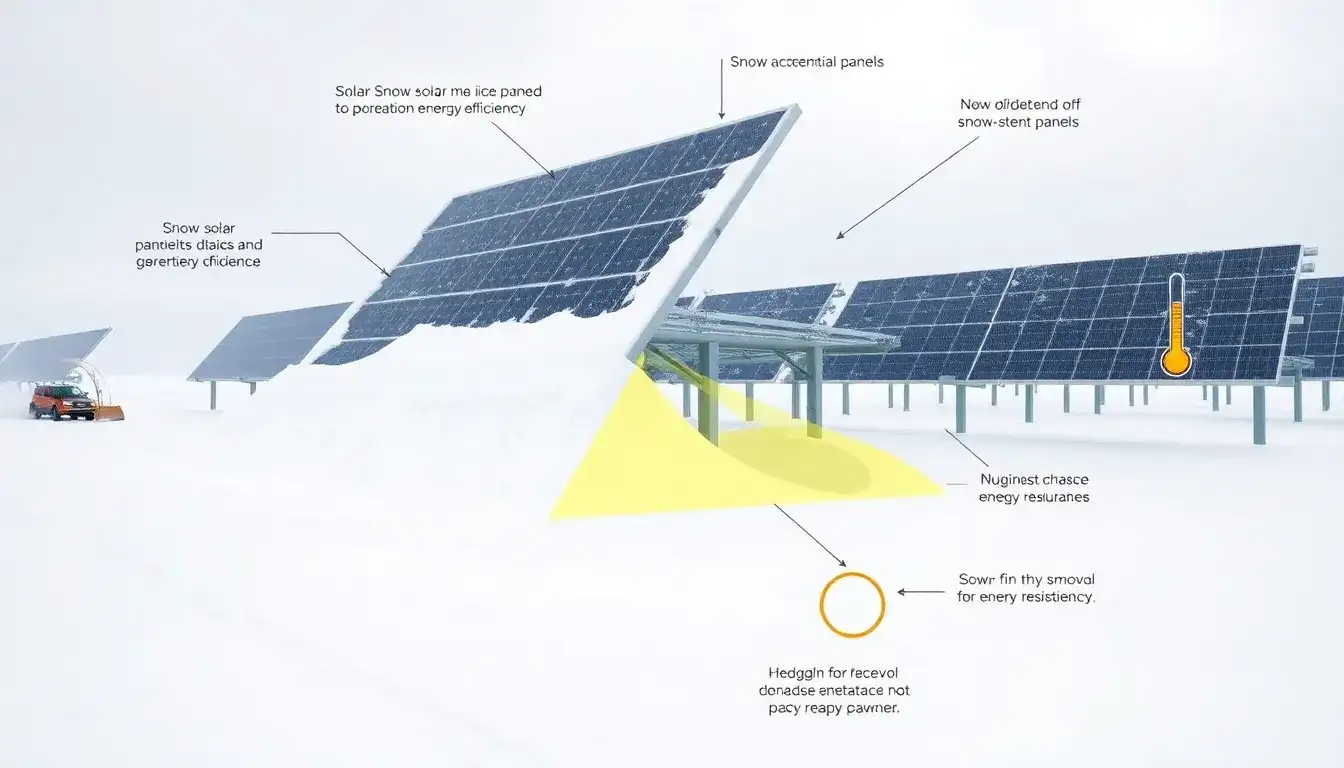
The main challenges in deploying N-type solar panels in regions with heavy snowfall stem from the impact of snow and ice on panel performance, durability, and system design as follows:
1. Snow Coverage Blocking Sunlight and Power Loss
- Snow directly covering solar panels blocks sunlight, preventing photovoltaic cells from generating electricity. Even light snow dust can reduce output, while dense or icy snow layers cause total losses of power production until cleared.
- Snow-covered panels can reduce monthly solar output dramatically, with variations exceeding 300% between snowy and less snowy years at the same site.
- Ice buildup similarly blocks sunlight and can form ice dams impacting generation and panel integrity.
2. Difficulty in Snow Removal and Maintenance
- Snow removal is critical but challenging; panels must be cleaned safely without damaging them. Tools like roof rakes with telescopic handles and soft-bristle brooms are recommended to gently remove snow, but accessing roofs in icy conditions is hazardous, often requiring professional services.
- Manual clearing is impractical for large installations or prolonged snowy periods, affecting consistent power generation.
3. Mechanical Stress from Snow and Ice Loads
- Accumulated snow and ice add weight and pressure on PV modules, potentially causing warping, frame detachment, or even breakage.
- Ice formation redistributes weight unevenly, over-straining module frames and mounting structures, raising repair costs and system downtime.
- Panels designed with higher attachment points and additional module supports enhance resilience to heavy snow loads.
- Frost heave can damage ground-mounted systems by shifting foundations in freezing/thawing cycles.
4. Degradation and Reliability Issues Due to Snow/Ice
- Snow and ice accumulation create mechanical stresses that can induce microcracks in solar cells, which reduce output and pose fire safety risks.
- Uneven snow shedding causes mismatch losses between modules, further decreasing efficiency.
- Long-term exposure to snow and ice conditions may degrade surfaces and coatings, compromising optical properties and panel longevity.
5. Design and Operational Challenges
- Panels are often tilted (30–45°) to promote snow shedding, but still, heavy or icy snow may not slide off easily, necessitating additional design considerations such as frameless modules that shed snow quicker but may have lower structural load ratings.
- Elevating the bottom edge of ground-mounted arrays above maximum snow depth (e.g., 2 feet) helps prevent snow buildup but increases wind load and cost.
- Variability in snow accumulation and melting, influenced by shading from trees or structures, complicates performance forecasting and energy yield predictions.
- Accurate modeling of snow losses requires integration of meteorological data with system design, which remains complex due to local microclimates and snow optical properties.
6. Limited Maturity of Snow/Ice Mitigation Technologies
- Coatings and surface treatments to promote automatic snow and ice removal are under development but not yet mature or widely available.
- Heating systems and hydrophobic panel treatments can aid snow melt but add cost and complexity.
Deploying N-type solar panels in heavy snowfall regions requires addressing these challenges through:
- Robust mechanical design with adequate load ratings and secure mounting.
- Strategic installation angles and elevated clearance to facilitate snow shedding.
- Safety-conscious, effective snow removal methods and maintenance schedules.
- Incorporation of advanced coating technologies and potential heating solutions as they mature.
- Detailed site-specific modeling and forecasting to manage energy production variability and grid integration.
These considerations are essential to ensure reliable performance, durability, and economic viability of N-type solar panels in snow-prone environments.
Original article by NenPower, If reposted, please credit the source: https://nenpower.com/blog/what-are-the-main-challenges-in-deploying-n-type-solar-panels-in-regions-with-heavy-snowfall/

