

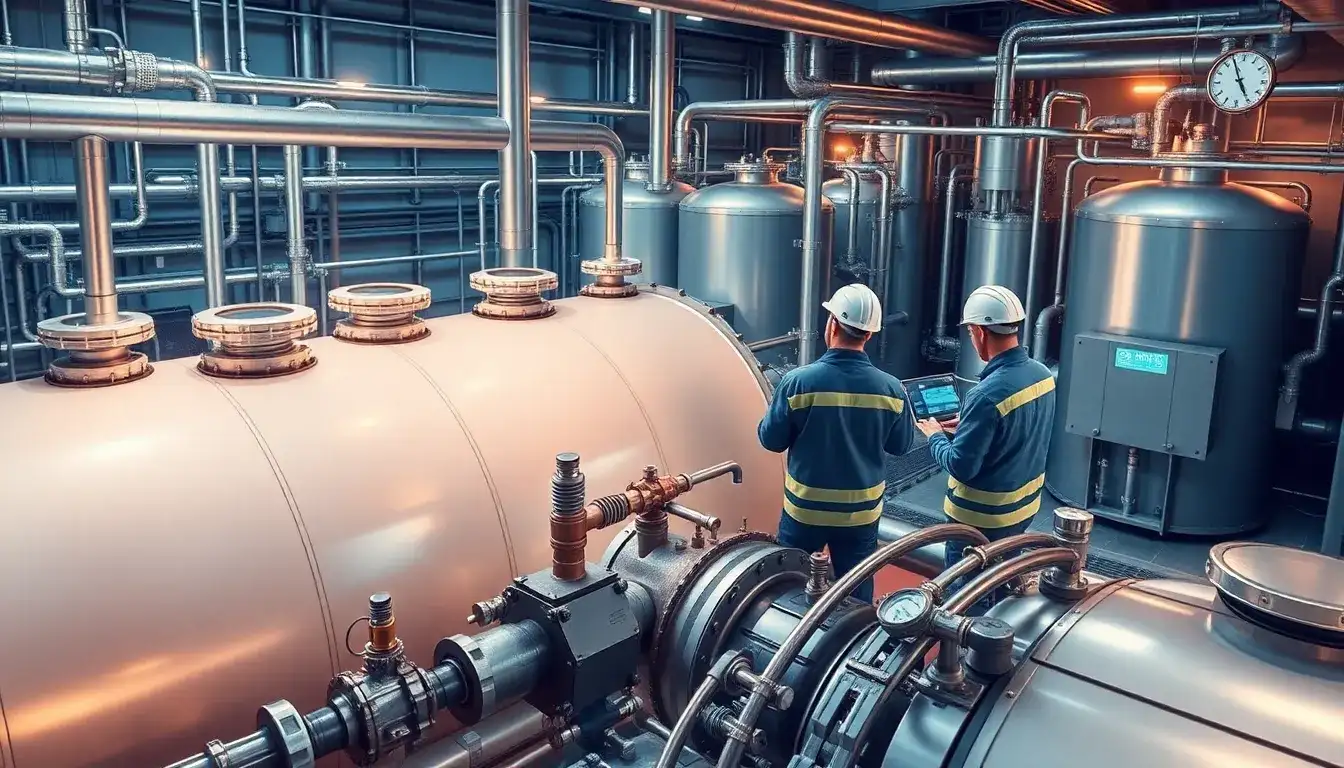
The main challenges in deploying high-pressure hydrogen storage systems include the following:
-
Material Issues: Corrosion and Embrittlement
High-pressure metallic tanks used for hydrogen storage are prone to corrosion and hydrogen embrittlement. Hydrogen atoms can diffuse into the metal, weakening it and potentially causing cracks and failures over time. This compromises the structural integrity and safety of the storage system, demanding the development of advanced alloys or composite materials resistant to such degradation. -
Weight and Cost of Storage Containers
High-pressure tanks must be robust to safely contain hydrogen at pressures typically around 350-700 bar. This robustness often results in heavy and expensive tanks, which reduce the practicality and economic viability of these storage systems, especially for mobile applications like vehicles. -
Low Energy Density and Storage Efficiency
Hydrogen’s low volumetric energy density means that even at high pressure, the volume of stored hydrogen is relatively large compared to conventional fuels. This requires large, high-strength containers and influences station design and vehicle range considerations. -
Engineering and Construction Complexities
Designing and building hydrogen storage and dispensing systems is complex. Storage systems must safely handle high pressures and pressure fluctuations, incorporate advanced compressors and cooling to manage temperature rise during compression, and comply with stringent safety standards. Specialized materials, equipment, and skilled labor increase installation complexity and cost. -
Safety and Regulatory Challenges
Hydrogen’s high flammability and wide flammability range necessitate rigorous safety measures in storage and refueling infrastructure. Public acceptance and robust regulatory frameworks are essential to ensure safe operations and build confidence in hydrogen technologies. -
Infrastructure and Location Considerations for Deployment at Scale
Successful deployment depends on strategic siting of storage and fueling stations in locations with high demand to ensure economic sustainability. Balancing storage system capabilities with expected usage patterns affects overall system design and return on investment.
In summary, the main challenges revolve around material durability (corrosion and embrittlement), the weight and cost of high-pressure tanks, managing hydrogen’s low volumetric energy density, engineering complexities in storage and dispensing, stringent safety requirements, and infrastructure siting and economic viability considerations. Addressing these requires continued research into materials, engineering solutions, and regulatory frameworks to enable widespread adoption of high-pressure hydrogen storage systems.
Original article by NenPower, If reposted, please credit the source: https://nenpower.com/blog/what-are-the-main-challenges-in-deploying-high-pressure-hydrogen-storage-systems/

