

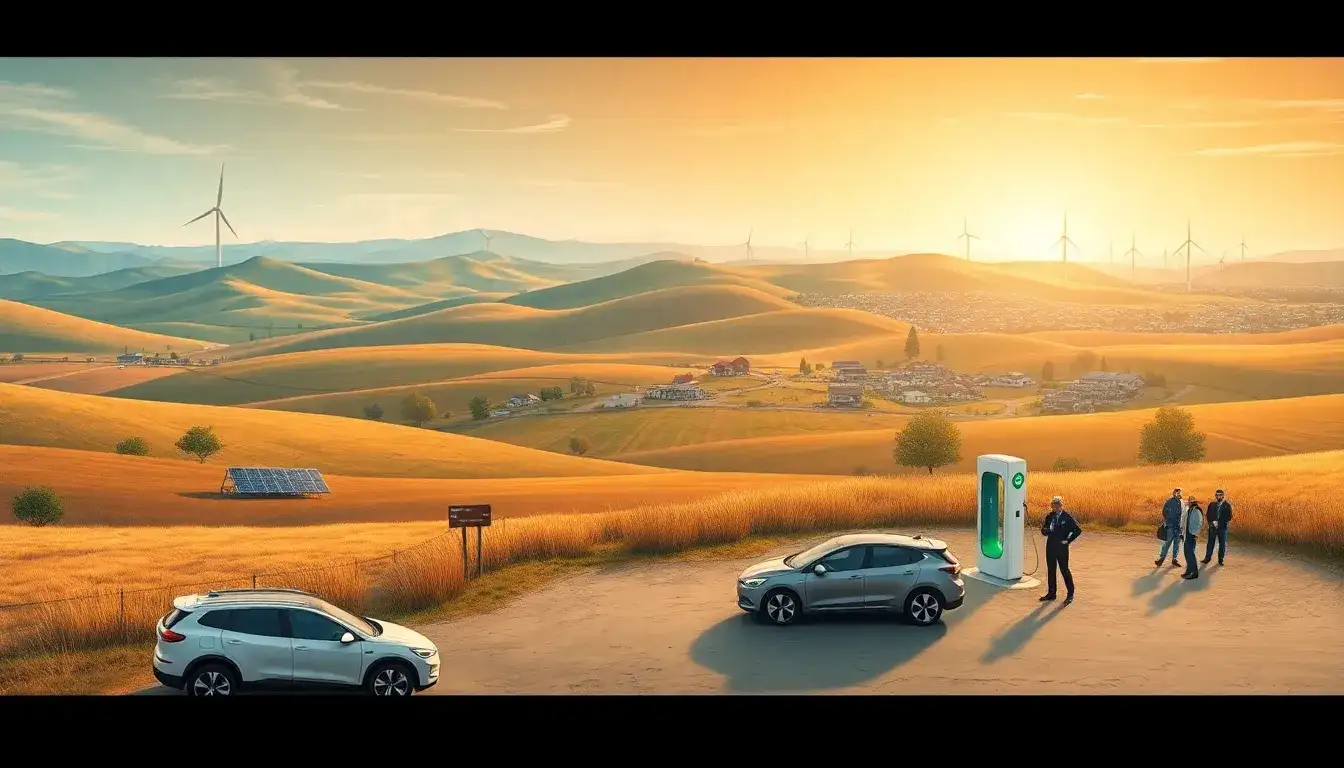
Deploying electric vehicle (EV) charging infrastructure in rural areas faces several significant challenges:
Challenges in Rural EV Charging Infrastructure
- Lack of Accessible Charging Stations (Charging Deserts)
- Rural areas lack a sufficient density of charging stations, often referred to as “charging deserts,” which discourages EV adoption due to concerns about being stranded without nearby charging options.
- Lower Population Density and Lower Demand
- The lower population density in rural areas results in lower demand for charging stations, making it less economically viable for private companies to invest in these regions.
- Higher Up-Front Costs
- Installing charging stations, especially DC Fast Charging (DCFC) stations, in rural areas is more expensive due to the need for specialized equipment and infrastructure, such as upgraded power grids.
- Geographical Spread and Infrastructure Limitations
- Rural areas often have limited existing infrastructure, such as power grids and internet connectivity, which complicates the installation and operation of charging stations.
- Range Anxiety and Limited Vehicle Range
- The current range limitations of EVs can exacerbate range anxiety, especially in colder climates or when traveling long distances through areas with sparse charging options.
Original article by NenPower, If reposted, please credit the source: https://nenpower.com/blog/what-are-the-main-challenges-in-deploying-ev-charging-infrastructure-in-rural-areas/

