

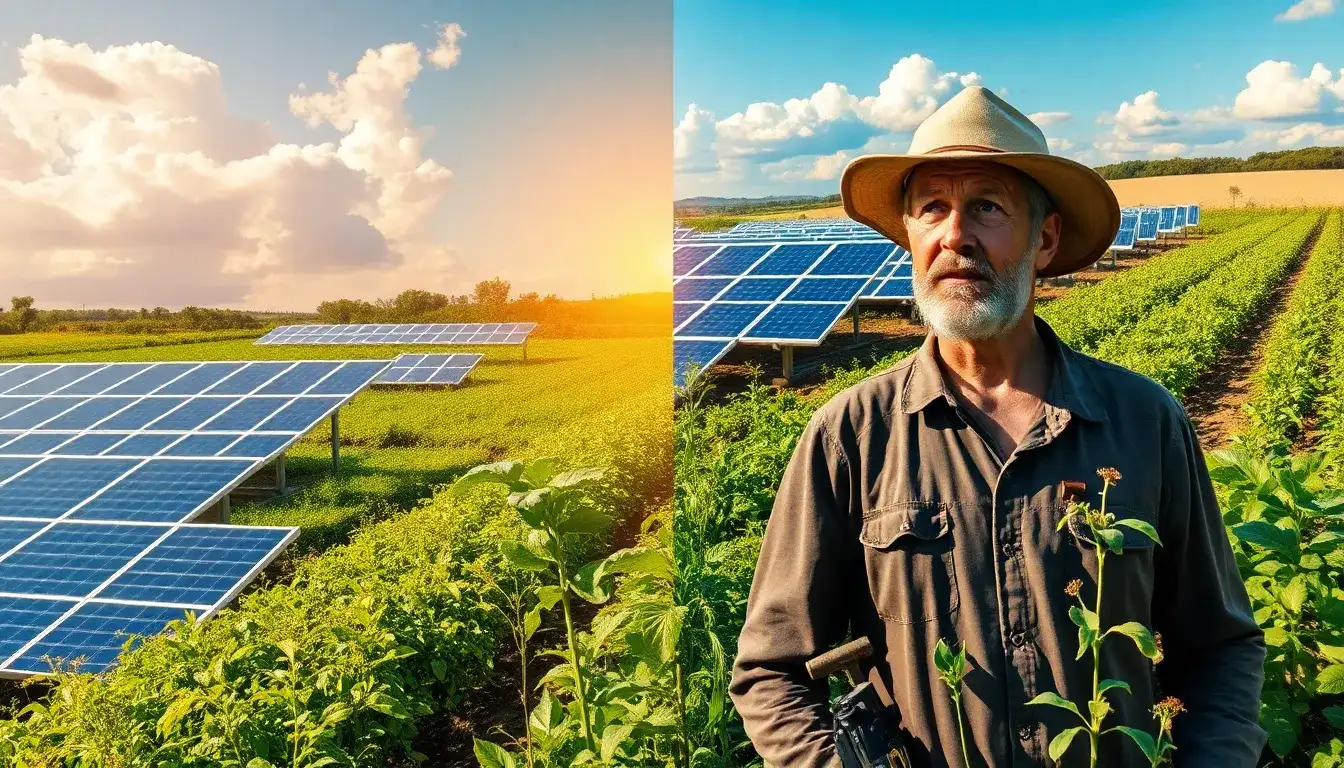
Main Challenges
- Higher Initial Costs: Agrivoltaics systems often require elevated solar panels or wider spacing between rows, increasing materials costs and reducing energy density, which can lower the return on investment.
- Crop Selection and Yield: Agrivoltaics works best with shade-tolerant crops like lettuce and certain peppers. However, other crops such as cereal grains may not perform well under the shade, leading to reduced yields.
- Technical and Financial Complexity: There is a lack of technical assistance and financial guidance available to farmers. This gap complicates the integration of agrivoltaics into farming operations, requiring specialized knowledge to navigate contracts and leases.
- Land Use and Management: While agrivoltaics aims to preserve land for agriculture, there can still be some loss of productive land due to the footprint of solar panels. The systems require careful planning to maximize both agricultural productivity and energy output.
- Insurance and Liability Concerns: Farmers and developers often face challenges in obtaining appropriate insurance due to the novel nature of agrivoltaic systems and potential liabilities associated with their operation.
- Perception and Acceptance: Some farmers have limited familiarity with agrivoltaics, and community acceptance can vary, especially among non-white farmer respondents who were less likely to be open to agrivoltaics.
- Research and Data Gaps: There is still a need for more research on the impacts of agrivoltaics on various crops and livestock, as well as its long-term effects on soil health, biodiversity, and regional climates.
Original article by NenPower, If reposted, please credit the source: https://nenpower.com/blog/what-are-the-main-challenges-farmers-face-when-implementing-agrivoltaics/

