

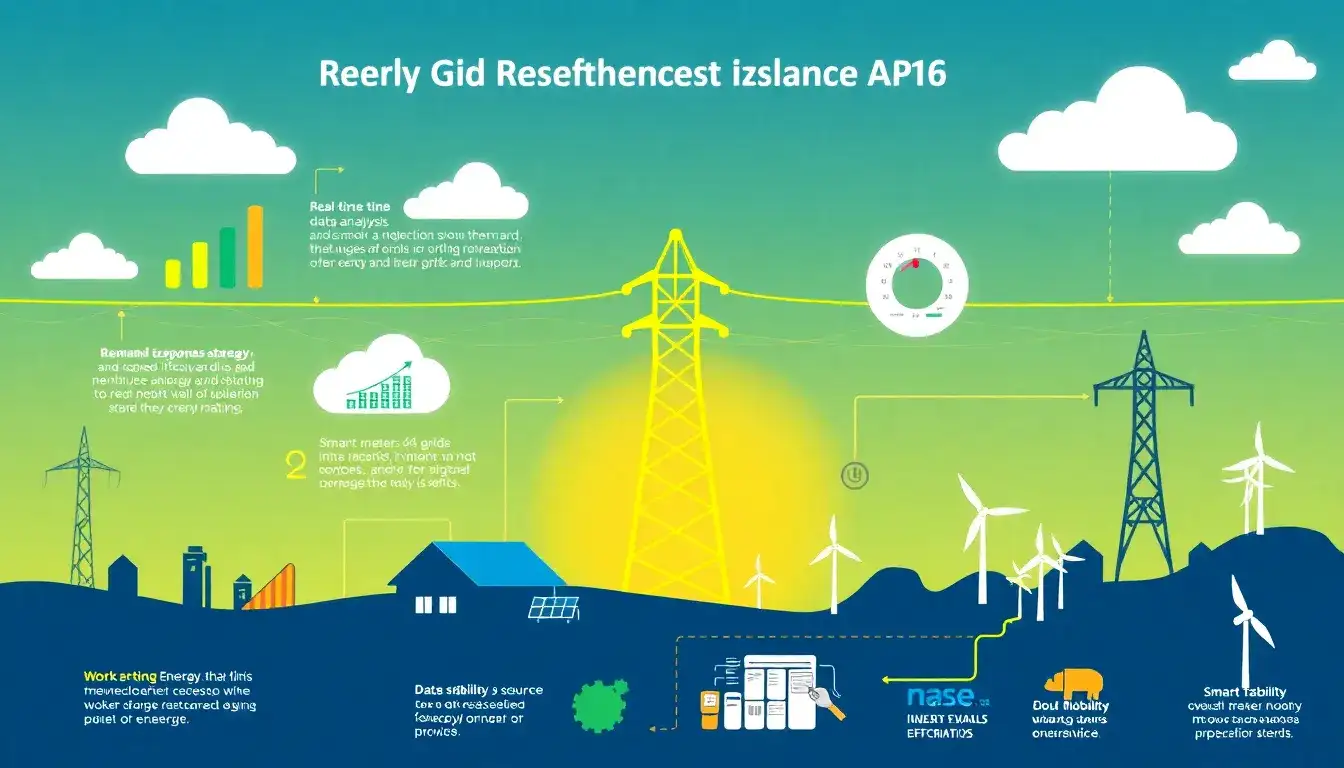
Energy management systems (EMS) offer several key benefits in mitigating grid congestion by optimizing energy consumption, enhancing grid flexibility, and integrating distributed energy resources (DERs). The main advantages include:
Load Shifting and Demand Response
- EMS promotes load shifting by encouraging consumers to adjust their energy use during peak demand periods. This alleviates strain on the grid and reduces congestion on transmission lines.
- Demand response programs powered by EMS enable utilities to remotely control or curtail energy consumption during congestion events, allowing for dynamic load shedding and balancing supply and demand in real time.
Integration and Optimization of Distributed Energy Resources (DERs)
- EMS facilitates the integration of DERs such as solar panels, battery storage, and electric vehicle (EV) chargers, which provide local energy generation and storage. This reduces dependency on centralized energy supplies and lowers transmission bottlenecks.
- Via predictive analytics and grid congestion management controllers, EMS optimizes the flow of energy from DERs to match demand fluctuations, enhancing grid stability and resilience.
Enhanced Grid Reliability and Operational Efficiency
- EMS improves grid reliability by preemptively addressing potential disturbances and minimizing the impact of unforeseen events like equipment failures or extreme weather.
- It enables dynamic voltage regulation and optimizes energy flows, reducing bottlenecks and improving overall grid efficiency.
- Utilities benefit from improved asset utilization, reduction in peak demand, and lower operational costs, helping to avoid costly physical grid infrastructure upgrades.
Support for Renewable Energy Integration
- EMS supports the increased use of variable renewable energy sources by managing energy demand and supply flexibly. For example, adjusting EV charger consumption based on renewable availability helps maximize clean energy utilization.
Strategic Planning and Market Mechanisms
- EMS provides insights into grid performance, aiding utilities and grid operators in strategic planning for grid expansion and congestion management.
- It enables market-based mechanisms to allocate resources efficiently and proactively manage congestion risk.
In summary, energy management systems mitigate grid congestion through load shifting, DER integration, enhanced grid reliability, renewable energy support, and improved operational efficiency. These benefits lead to increased grid stability, reduced costs, and more sustainable energy use amidst growing demand and distributed energy proliferation.
Original article by NenPower, If reposted, please credit the source: https://nenpower.com/blog/what-are-the-main-benefits-of-using-energy-management-systems-in-mitigating-grid-congestion/

