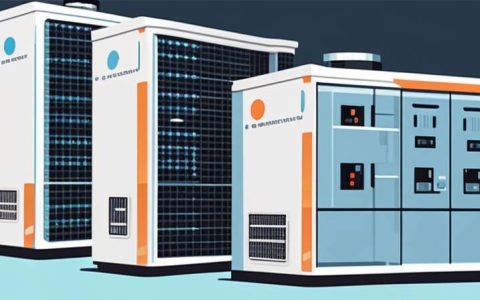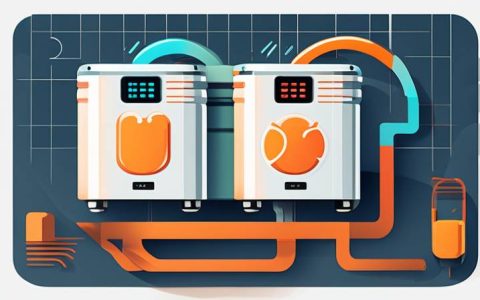
The main benefits of using battery energy storage systems (BESS) for grid balancing include:
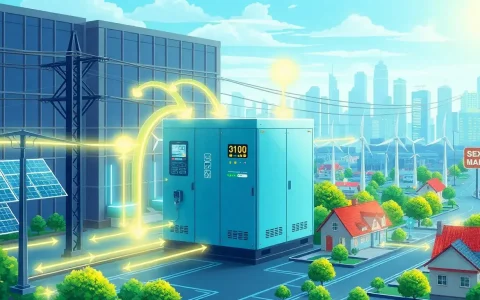
- Grid Stability and Reliability: BESS can rapidly respond to fluctuations in energy demand, providing or absorbing power to maintain grid stability. This is especially crucial with the integration of intermittent renewable energy sources like solar and wind.
- Renewable Energy Integration: By storing excess energy from renewables during periods of low demand and releasing it during peak demand, BESS enables a greater integration of renewable energy into the grid, reducing reliance on fossil fuels and lowering carbon emissions.
- Energy Cost Savings: Through strategies like “peak shaving” and “load shifting,” BESS helps to reduce peak demand on the grid, decreasing the strain on power infrastructure and allowing organizations to purchase energy at lower rates for later use, thereby saving costs.
- Transmission and Distribution Upgrade Deferrals: BESS can help defer costly grid upgrades by meeting peak demand with stored energy from lower-demand periods, improving grid asset utilization.
- Value Stacking: BESS can provide multiple services such as frequency regulation, voltage support, and black start capabilities, maximizing their value to grid operators by ensuring a higher overall utilization of the batteries.
Overall, battery energy storage systems are critical for creating a more resilient, efficient, and sustainable power grid.
Original article by NenPower, If reposted, please credit the source: https://nenpower.com/blog/what-are-the-main-benefits-of-using-battery-energy-storage-systems-for-grid-balancing/