

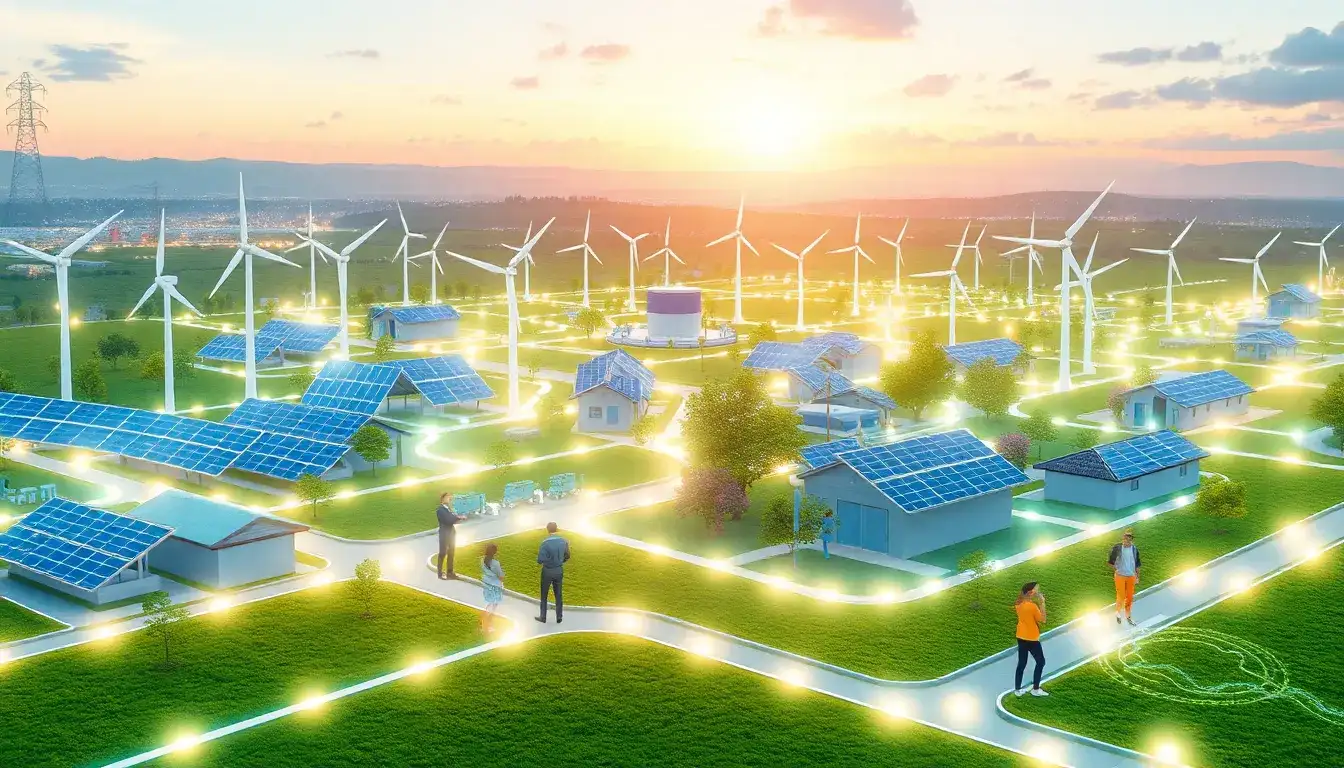
Key Benefits of AI in Smart Grids
1. Enhanced Efficiency and Energy Management
AI algorithms optimize power flow by predicting energy demand accurately and managing distributed energy resources effectively. This reduces energy waste and improves grid efficiency by aligning energy generation with actual consumption patterns, driven by real-time data from sensors, smart meters, and weather forecasts. For example, AI predicts demand surges and adjusts supply accordingly, preventing overloads and outages.
2. Improved Reliability and Grid Resilience
AI enables real-time monitoring and rapid anomaly detection. It can identify faults, equipment malfunctions, or voltage fluctuations early and automatically adjust grid operations to prevent blackouts or service disruptions. This proactive fault diagnosis enhances the grid’s resilience, reduces downtime, and facilitates faster restoration after disruptions.
3. Support for Renewable Energy Integration
Smart grids powered by AI can better handle the variable nature of renewable energy sources like solar and wind. AI analyzes weather patterns and generation performance data to optimize the integration of renewables, improving sustainability and supporting the energy transition.
4. Dynamic Pricing and Demand Response
AI enables dynamic pricing models based on real-time grid conditions, encouraging consumers to adjust their usage during peak periods, smoothing demand spikes. Demand response systems powered by AI help prevent grid overloads and optimize energy consumption patterns.
5. Cost Reduction and Operational Automation
By automating many monitoring and control tasks, AI reduces the need for manual intervention, cutting operational costs for utilities. Predictive maintenance powered by AI minimizes repair costs and extends equipment life by scheduling timely interventions before failures occur.
6. Enhanced Customer Experience
AI improves customer satisfaction by ensuring more reliable power supply and potentially lowering electricity bills through efficient grid management and demand-response incentives.
Case Example:
In Boulder, Colorado, an AI-driven smart grid system optimized energy distribution, reduced losses, improved reliability, and enhanced renewable integration. The system’s predictive capabilities and real-time adjustments exemplify how AI shifts grid management from reactive to proactive and optimized operation.
In summary, AI transforms smart grids by enabling real-time, data-driven decision-making that increases efficiency, reliability, sustainability, and economic savings, crucial for modern energy systems facing growing demand and renewable integration challenges.
Original article by NenPower, If reposted, please credit the source: https://nenpower.com/blog/what-are-the-main-benefits-of-using-ai-in-smart-grids-2/

