

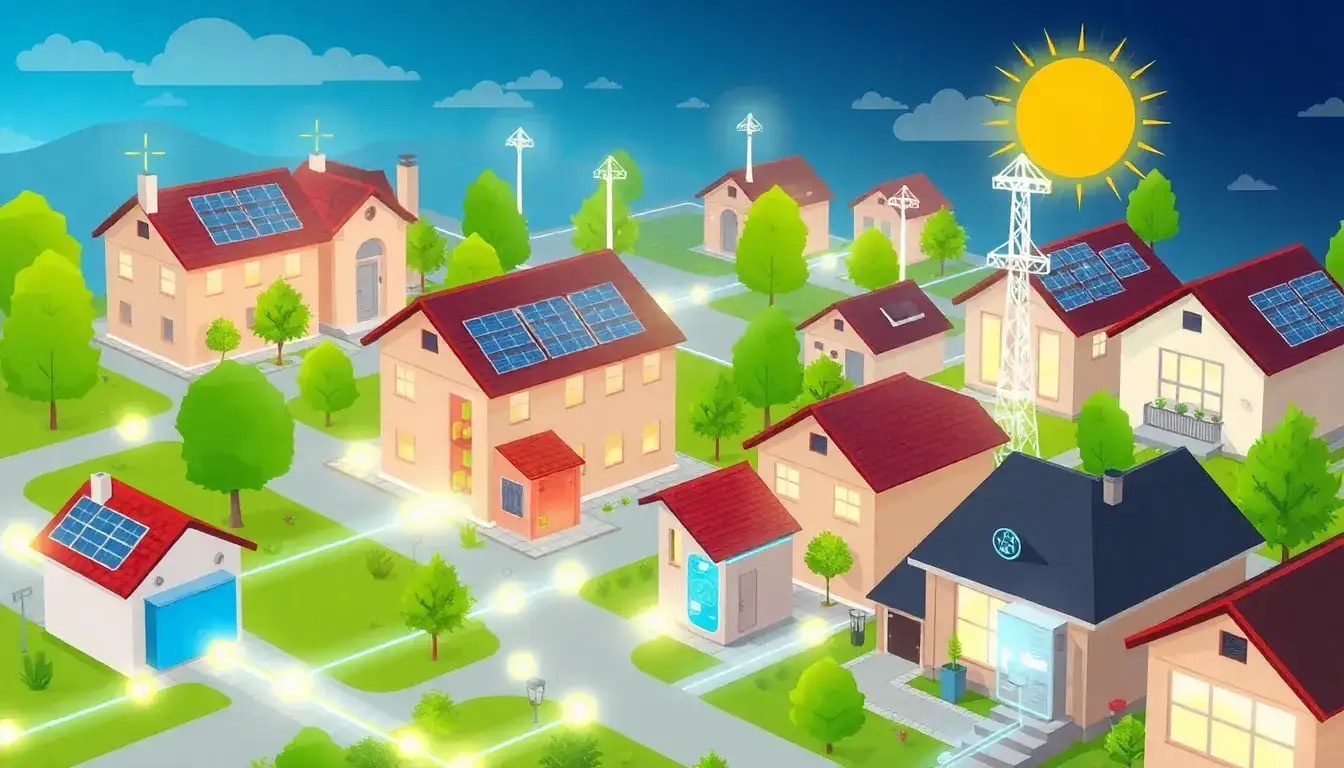
Integrating residential energy storage systems with smart grids offers several key benefits:
Main Benefits
- Enhanced Grid Stability and Reliability:
- Residential energy storage helps stabilize the grid by balancing supply and demand, particularly during peak periods, thereby reducing outages.
- It provides backup power during grid failures, ensuring continuous power supply to homes.
- Efficient Integration of Renewable Energy:
- Energy storage systems store excess energy generated from solar or wind power for use when these sources are not actively generating, enhancing renewable energy integration.
- This reduces reliance on fossil fuels and supports a cleaner energy mix.
- Automated Cost Savings:
- Smart grid integration optimizes energy use based on real-time electricity rates and household consumption patterns, leading to significant reductions in monthly energy bills (up to 30%).
- It enables strategic charging and discharging of batteries during peak and off-peak periods, minimizing high-rate energy purchases.
- Peak Load Management:
- Homes can shift energy-intensive activities to off-peak hours, reducing strain on the grid during critical periods and stabilizing energy costs.
- Grid Services Revenue:
- Homeowners can earn additional income by participating in demand response and frequency regulation services, providing valuable support to grid stability.
- Increased Energy Independence:
- Residential energy storage allows homeowners to rely less on the grid, especially during peak hours or outages, providing greater energy autonomy.
Conclusion
The synergy between residential energy storage systems and smart grids not only enhances grid performance and resilience but also offers homeowners substantial cost savings, increased energy independence, and opportunities to contribute to a more sustainable energy future.
Original article by NenPower, If reposted, please credit the source: https://nenpower.com/blog/what-are-the-main-benefits-of-integrating-residential-energy-storage-systems-with-smart-grids/

