

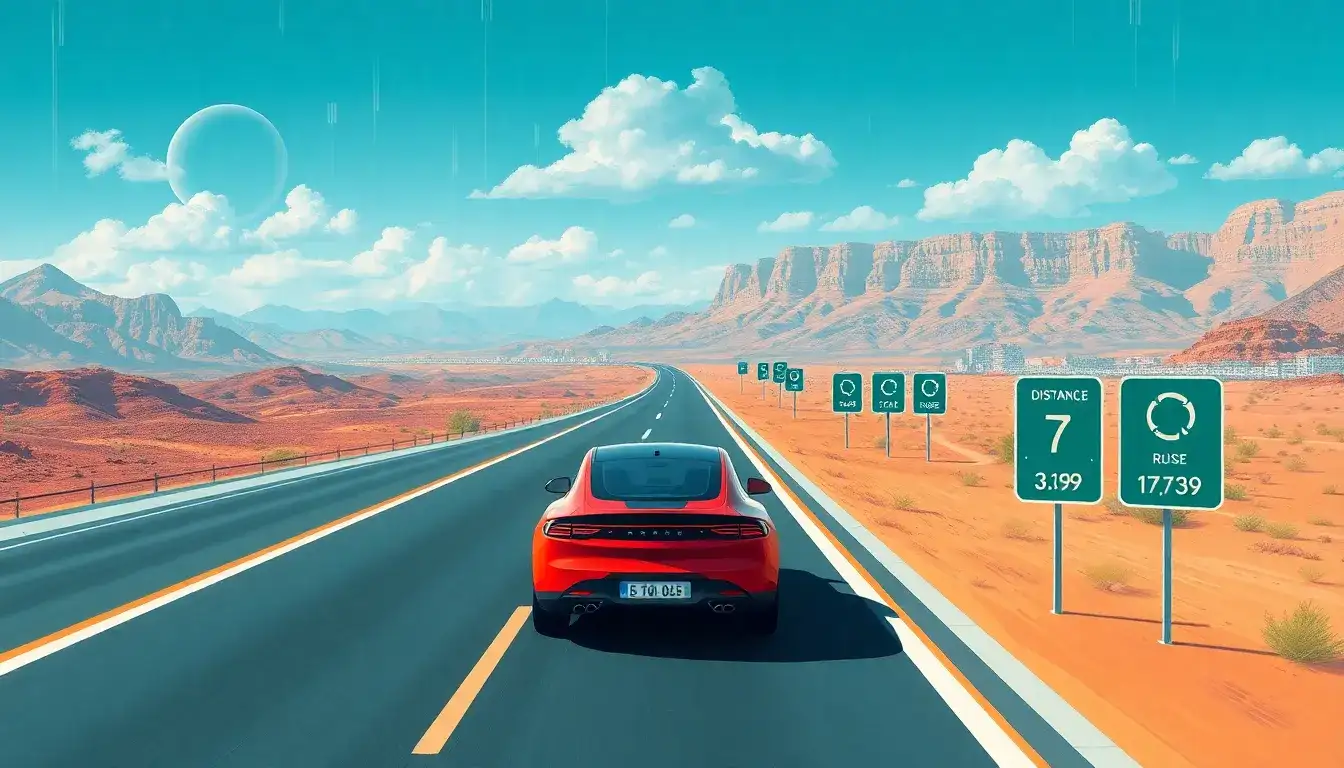
The main barriers to long-distance travel in electric vehicles (EVs) include:
- Range Limitations: EVs often have limited ranges, typically between 100 and 300 miles, which necessitates frequent charging stops during long journeys. Even though battery technology is improving, it still falls short of the long-distance capabilities of fossil fuel vehicles.
- Charging Infrastructure: The distribution and reliability of charging stations remain a significant challenge. While networks are expanding, there are still inadequate charging stations along many routes, leading to “range anxiety”.
- Charging Speed: Currently, most public charging is slower compared to gasoline refueling, making EV road trips more time-consuming. Although rapid charging technology is available, it is not universal, and slower charging times are common.
- Cost and Complexity: The high cost of electricity at public charging stations and the complexity of multiple charging apps and systems can add to the frustration of EV owners on long trips.
- Reliability of Charging Stations: Issues like vandalism and poor maintenance can render charging stations inoperable, further complicating long-distance EV travel.
Addressing these challenges requires increased investment in charging infrastructure, advancements in battery technology, and better maintenance of existing charging networks.
Original article by NenPower, If reposted, please credit the source: https://nenpower.com/blog/what-are-the-main-barriers-to-long-distance-travel-in-electric-vehicles/

