

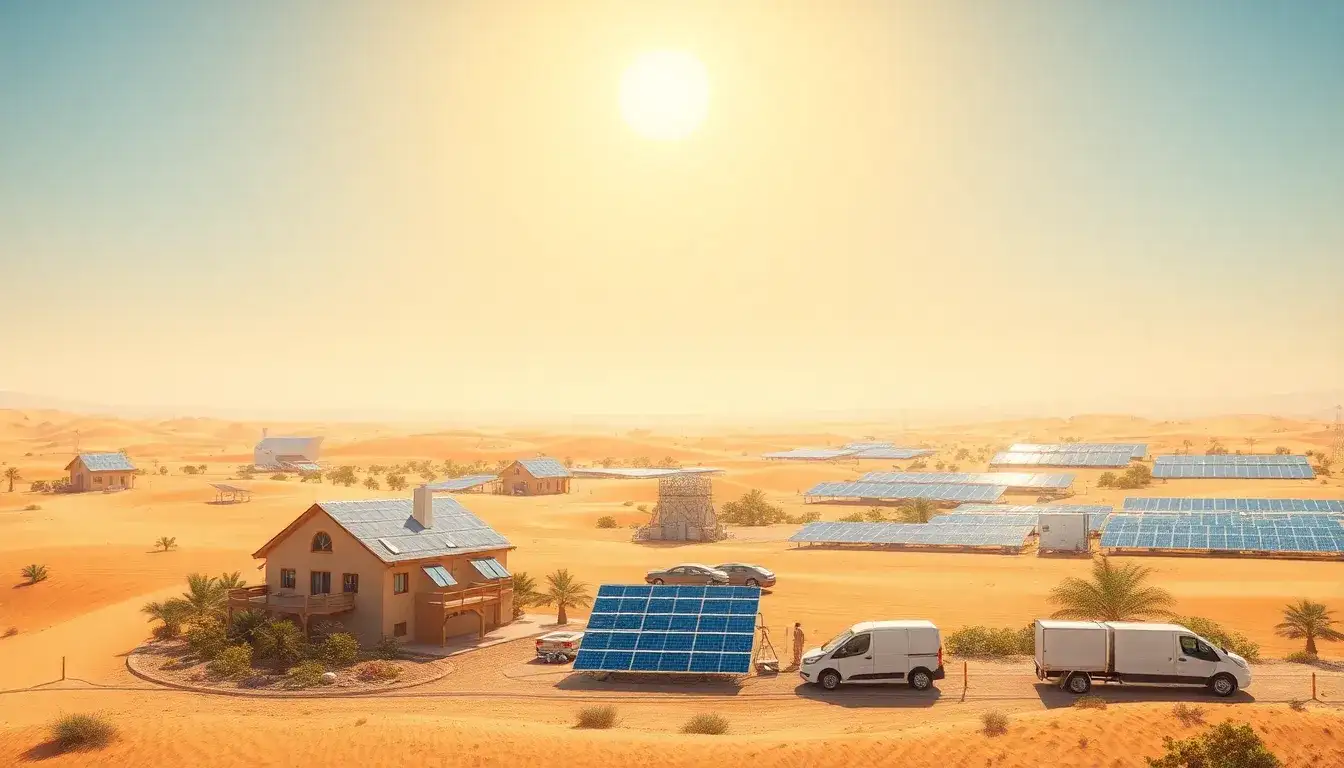
Thin-film solar panels are particularly well-suited for high-temperature regions due to their superior temperature tolerance and specific physical characteristics. Their main applications in such climates leverage these advantages, as outlined below:
Key Benefits of Thin-Film Solar Panels in High-Temperature Regions
- Better Temperature Coefficients: Thin-film solar cells degrade less in performance as temperatures rise compared to traditional crystalline silicon panels, making them more efficient and reliable in hot environments.
- Lightweight and Flexible: Their thin, flexible nature allows integration on curved, lightweight, or unconventional surfaces such as building facades, roofs with limited load capacity, vehicles, and portable devices.
- Durability and Stability: Thin films have high resistance to temperature changes, humidity, and ultraviolet radiation, resulting in longer operational life and less efficiency degradation in extreme weather conditions.
- Cost-Effectiveness: They require less semiconductor material and simpler manufacturing, reducing costs especially in large-scale installations typical of hot, sunny regions.
- Good Low-Light Performance: While mainly advantageous in temperate climates, this trait ensures more consistent output during variable weather, benefiting regions where sunlight intensity fluctuates.
Main Applications in High-Temperature Regions
Building-Integrated Photovoltaics (BIPV)
Thin-film panels are ideal for seamless incorporation into building materials such as solar shingles, facade cladding, windows, and roofs. This enables power generation without impacting architectural aesthetics and suits the urban environments of hot regions where space and heat management are critical.
Large-Scale Solar Farms and Utility Installations
Due to their lighter weight, lower material demands, and durability in heat, thin-film solar panels are well-suited for extensive solar farms in desert or tropical zones. They offer a cost-effective, long-lasting alternative for utility-scale energy generation under harsh climatic conditions.
Transportation and Mobile Applications
Thin-film solar cells can be mounted on curved surfaces like vehicle rooftops (cars, buses, RVs) and boats, environments often exposed to intense sunlight and heat. Their flexibility and heat tolerance make them perfect for powering auxiliary systems in vehicles, including electric vehicle supplemental power.
Portable and Wearable Devices
The lightweight and flexible design supports integration into portable electronics, camping gear, backpacks, and clothing. This allows users in hot, sunny regions to harness solar power on the move without heavy, rigid panels.
Off-Grid and Remote Power Systems
In remote high-temperature areas with limited grid access, thin-film solar panels provide reliable off-grid electricity for homes, agricultural irrigation, greenhouses, and small communities. Their robustness in heat and harsh weather conditions make them suitable for sustaining essential services where traditional panels might falter.
Military, Defense, and Disaster Relief
The ease of deployment, flexibility, and temperature resilience enables thin-film panels to power remote surveillance, communication equipment, and emergency shelters in hot climates. Their durability and portability are advantageous in field operations and disaster scenarios common in such regions.
In summary, thin-film solar panels are especially valuable in high-temperature regions for applications that demand heat-resistant, lightweight, and flexible solar solutions. These include building integration, large solar farms, transportation, portable power, remote off-grid electrification, and specialized military or emergency uses—making them a versatile complement to traditional crystalline silicon solar technology in hot climates.
Original article by NenPower, If reposted, please credit the source: https://nenpower.com/blog/what-are-the-main-applications-for-thin-film-solar-panels-in-high-temperature-regions/

