Main Advantages of Lithium-Ion Batteries Over Nickel-Cadmium Batteries
Advantages
- Higher Energy Density: Lithium-ion batteries have a significantly higher energy density compared to NiCad batteries. This allows them to store more energy in a smaller and lighter package, making them ideal for portable devices like smartphones and laptops.
- No Memory Effect: Unlike NiCad batteries, lithium-ion batteries do not suffer from the memory effect. This means they can be recharged at any state of discharge without losing capacity over time.
- Lower Self-Discharge Rate: Lithium-ion batteries have a lower self-discharge rate compared to NiCad batteries. They can retain their charge for longer periods when not in use, making them suitable for backup power applications.
- Faster Charging: Lithium-ion batteries can be charged much faster than NiCad batteries, which is beneficial for applications requiring quick power replenishment.
- Lower Environmental Impact: Li-ion batteries are more environmentally friendly since they do not contain toxic elements like cadmium found in NiCad batteries. This reduces their ecological footprint and the need for specialized disposal.
- Longer Lifespan and Cycle Life: Although NiCad batteries have a moderate lifespan, lithium-ion batteries generally offer a longer effective lifespan, especially with modern advancements allowing up to 10 years of use under certain conditions.
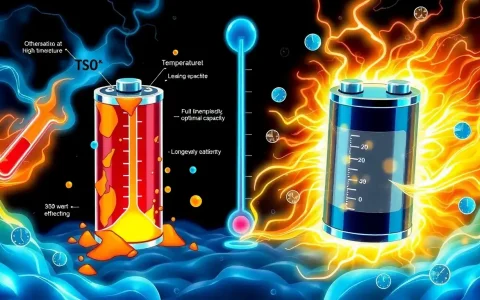
- Safety Features: While both batteries have safety risks, lithium-ion batteries often include built-in safety features to prevent overheating and other hazards, although they can still pose risks like thermal runaway.
Cost Considerations
While lithium-ion batteries are more expensive upfront, their longer lifespan and efficiency can provide long-term cost benefits. However, the initial cost remains a significant factor for many consumers.
Original article by NenPower, If reposted, please credit the source: https://nenpower.com/blog/what-are-the-main-advantages-of-lithium-ion-batteries-over-nickel-cadmium-batteries/