

Reliability Comparison
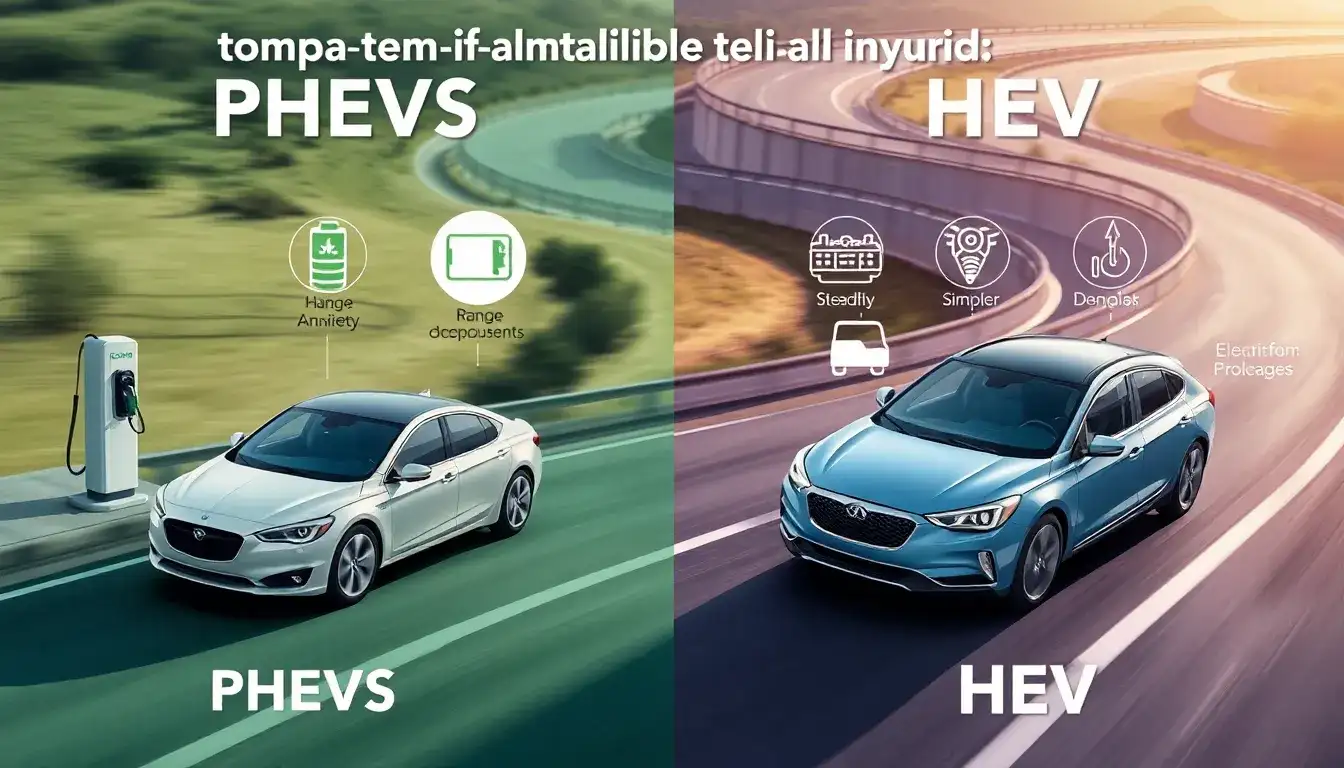
- PHEVs show 70-146% more problems than gas-powered vehicles in recent surveys, with electronics, charging systems, and complex powertrains posing frequent issues. Specific examples like the Ford Kuga PHEV report 12-volt battery failures and extended repair times.
- HEVs (traditional hybrids) demonstrate 26% fewer problems than gas-powered cars, with proven drivetrains benefiting from decades of refinement. Models like the Toyota RAV4 Hybrid and Lexus UX Hybrid rank among the most reliable options.
Key Long-Term Concerns
| Category | PHEV Concerns | HEV Concerns |
|---|---|---|
| Batteries |
• Higher risk of 12V/EV battery degradation due to frequent charging cycles • Replacement costs if propulsion batteries fail post-warranty |
• Proven longevity of smaller hybrid batteries (e.g., Toyota’s 10+ year lifespan) |
| Complexity |
• Dual powertrain maintenance (ICE + EV components) • Software/charging system glitches in newer models |
• Simpler systems with fewer failure-prone EV-exclusive components |
| Usage |
• Plug-in reliance exposes charging ports to wear/weather damage • Underutilized EV mode in practice, leading to ICE overuse |
• Optimized ICE/EV interplay reduces component strain |
Outlook
While HEVs remain reliability leaders, PHEVs are improving but remain higher-risk due to newer technologies. Brands like Toyota and Lexus continue to dominate reliability rankings for HEVs, whereas PHEVs from Ford, BMW, and Kia show mixed results. Battery warranties (typically 8-10 years) mitigate some long-term risks for both types.
Original article by NenPower, If reposted, please credit the source: https://nenpower.com/blog/what-are-the-long-term-reliability-concerns-for-phevs-versus-hevs/

