

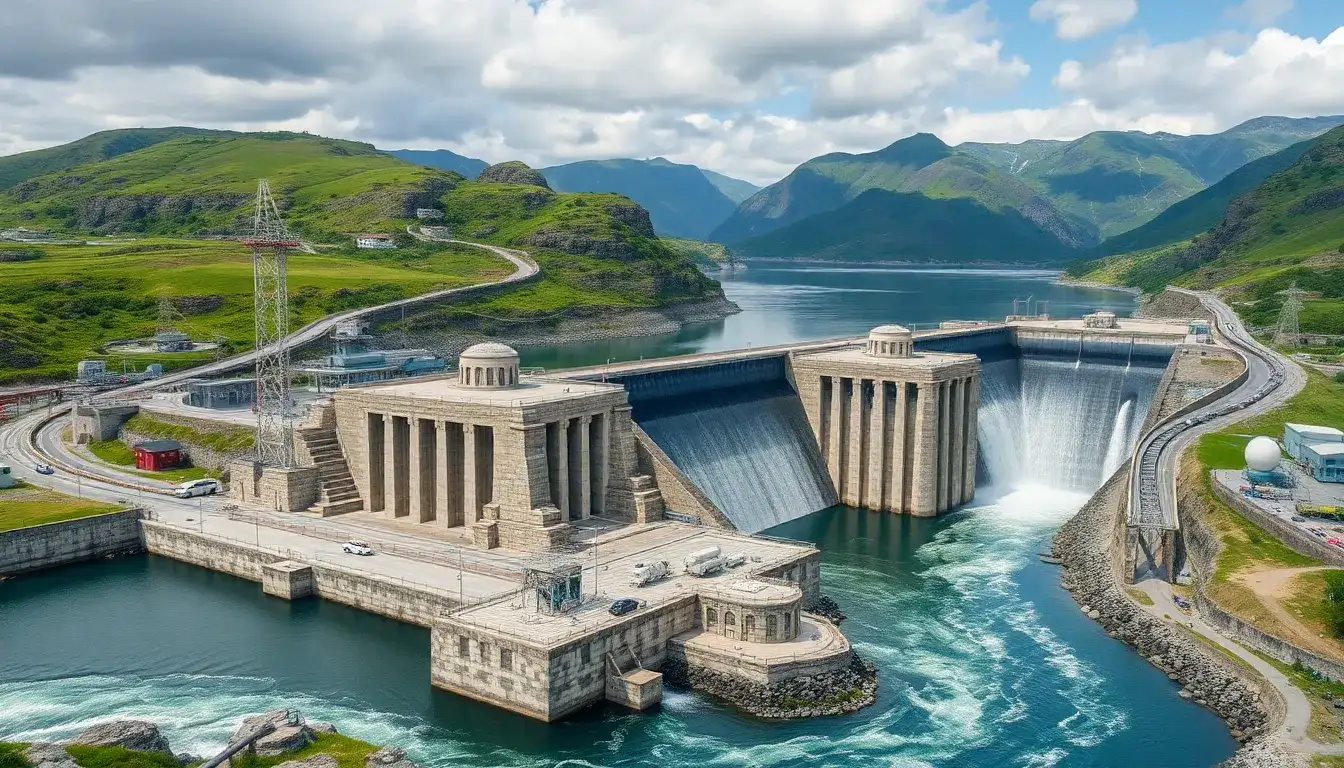
Long-Term Maintenance Requirements for Pumped Hydro Storage Systems
Pumped hydro storage systems are crucial for large-scale energy storage, offering a reliable, cost-effective, and sustainable solution for integrating renewable energy into power grids. However, maintaining their efficiency over their lifespan is essential. Here are some key considerations for long-term maintenance:
1. Key Components Requiring Maintenance
- Turbine Runners: These are subjected to increased wear due to operating both as turbines and pumps, requiring regular inspection and repair.
- Bearings, Blades, Shafts, Valves, End Covers, and Penstocks: Similar to turbine runners, these components experience double the wear and tear compared to conventional hydropower systems.
- Wicket Gates, Stay Vanes, Spiral Casing, and Draft Tubes: These are also critical areas that need monitoring and maintenance to prevent efficiency loss.
2. Repair and Protection Strategies
- Traditional Techniques: Welding is commonly used for repairs, but it has limitations in terms of efficiency and lifespan.
- Polymeric Materials: Employing cold-curing polymeric systems for repair and protection can enhance efficiency, reduce corrosion, and extend equipment lifespan.
3. Improvement Over Maintenance
- Instead of merely maintaining existing systems, asset owners are increasingly focusing on improving plant efficiency. This involves implementing long-term repair, protection, and efficiency enhancement strategies to give equipment a new lease of life.
- Modern technologies like variable speed capabilities provide more flexibility and quicker response times, offering better grid support services.
4. Regulatory and Licensing Considerations
- FERC Licensing in the US: Obtaining a Federal Energy Regulatory Commission (FERC) license can be time-consuming, typically taking at least five years. However, expedited processes are available for closed-loop projects.
5. Environmental and Cost Benefits
- Pumped hydro storage offers low environmental impact, especially in closed-loop systems, and is economically beneficial with lower costs compared to other storage technologies.
6. Future Developments and Challenges
- The increasing demand for renewable energy integration necessitates more pumped hydro storage projects. Challenges include site selection, environmental sensitivity, and regulatory hurdles.
In summary, maintaining pumped hydro storage systems requires careful attention to the wear-prone components, adoption of advanced repair materials, and continuous improvement strategies to maintain efficiency and support the grid’s reliability amidst growing renewable energy integration.
Original article by NenPower, If reposted, please credit the source: https://nenpower.com/blog/what-are-the-long-term-maintenance-requirements-for-pumped-hydro-storage-systems-2/

