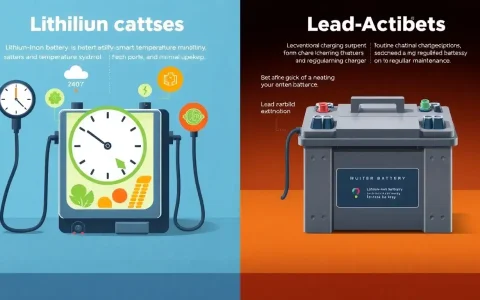
- Regular Maintenance Tasks: Lead-acid batteries demand consistent upkeep, including checking and topping off electrolyte levels (watering), cleaning terminals to prevent corrosion, and ensuring proper ventilation to avoid hazardous gas buildup. These tasks require regular labor and supervision, increasing operational costs over the battery’s life.
- Labor Costs: The maintenance activities such as electrolyte monitoring and terminal cleaning translate into frequent labor expenses. These can accumulate substantially, especially in applications with many batteries or high usage rates.
- Battery Replacement Frequency: Lead-acid batteries typically last between 300 to 500 charge cycles (or approximately 3-5 years), necessitating more frequent replacement compared to alternatives like lithium batteries. This means additional costs for purchasing new batteries, labor for installation, and disposal or recycling fees for old batteries.
- Disposal and Recycling Costs: Since lead-acid batteries are hazardous waste, they require proper recycling, which can incur fees ranging from $5 to $20 depending on location and policy; some programs offer a recycling credit which may offset part of this cost.
- Operational Downtime: Besides direct maintenance costs, lead-acid batteries require long charging times (6–8 hours) plus cooling periods before reuse, causing downtime that indirectly increases costs due to lost productivity and labor inefficiencies.
- Additional Material Costs: Replacement or maintenance of battery terminals and wiring may be needed periodically, adding minor yet recurring expenses.
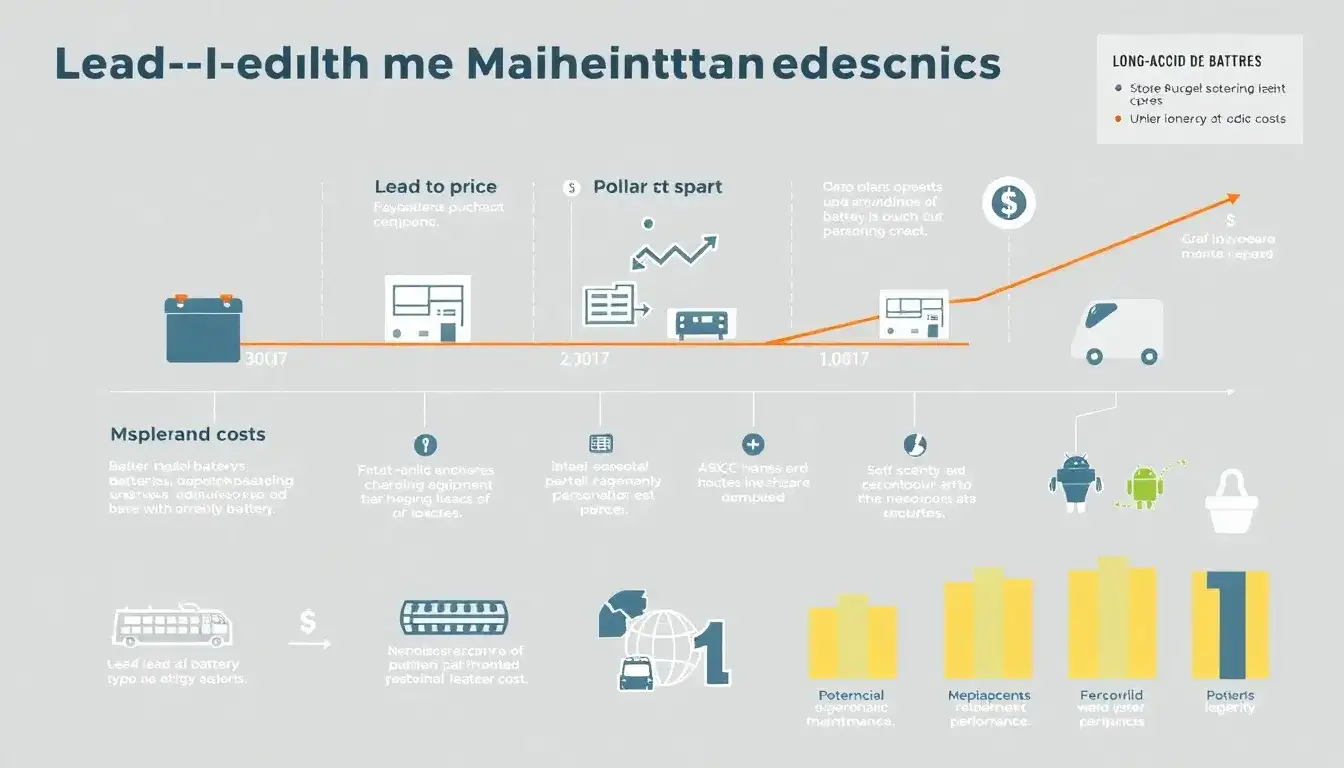
In summary, while lead-acid batteries have a lower upfront purchase price, their long-term maintenance expenses — including regular electrolyte checks, cleaning, labor costs, frequent replacements, recycling fees, and downtime costs — can significantly increase total ownership costs over time. These maintenance costs are a key reason why alternatives like lithium batteries, which are maintenance-free and longer-lasting, often provide better long-term value despite higher initial investment.
Key Maintenance Cost Components for Lead-Acid Batteries
| Cost Aspect | Description | Estimated Cost Range |
|---|---|---|
| Electrolyte watering & checks | Regular topping off electrolyte levels | Labor/time cost; variable |
| Terminal cleaning & corrosion | Prevent corrosion, maintain connections | Labor/time cost; variable |
| Battery replacement | Frequent due to shorter lifespan (3-5 years) | $50-$1000+ depending on type |
| Installation labor | Professional installation if needed | $20-$100 |
| Terminal and wiring repairs | Replacement of damaged connectors | $5-$50 |
| Recycling/disposal fee | Hazardous waste handling | $5-$20 |
| Downtime costs | Lost productivity during charging and swaps | Indirect but significant |
This cumulative maintenance burden is what generally makes lead-acid batteries more costly to maintain in the long term.
Original article by NenPower, If reposted, please credit the source: https://nenpower.com/blog/what-are-the-long-term-maintenance-costs-for-lead-acid-batteries/