

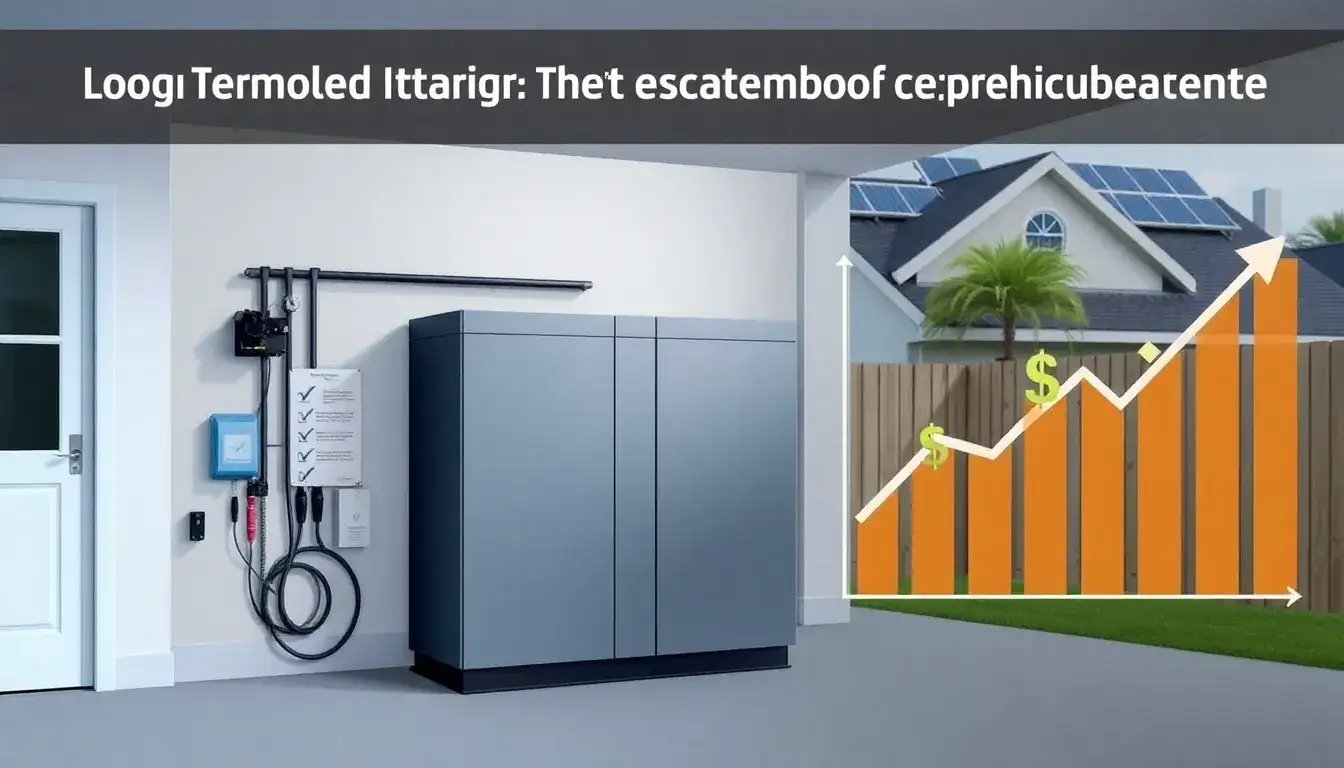
The long-term maintenance costs associated with residential energy storage systems are primarily related to ensuring the overall efficiency and longevity of the system. Here are some key considerations:
Key Maintenance Costs
-
Battery Replacement:
- Cost: Battery replacement is one of the significant long-term costs. High-quality lithium-ion batteries, commonly used in these systems, typically need to be replaced after 10 to 15 years.
- Estimations: The cost of replacing batteries can range significantly, often between $400 and $700 per kWh of storage capacity.
-
Regular Inspections and Upkeep:
- Frequency: Regular inspections are recommended to ensure the system operates effectively and safely. This may include checking the electrical connections and battery condition.
- Cost: These inspections, while important, do not usually incur high costs. However, some maintenance might be required to keep warranties valid.
-
Software and Firmware Updates:
- Necessity: Modern systems often require updates to maintain functionality and security. While these are typically automated or performed by manufacturers, they are an ongoing aspect of system maintenance.
- Cost: Often minimal to no direct cost for homeowners.
-
Environmental Conditions:
- Impact: Environmental factors such as dust, temperature fluctuations, and humidity can affect system performance over time. Regular cleaning and maintenance can help mitigate these impacts.
- Cost: Variable depending on location and specific conditions, but generally minor compared to other costs.
Additional Considerations
- Inverter Maintenance: While inverters are crucial for converting DC power to AC, they are generally reliable. However, maintenance or replacement costs can arise if issues occur.
- Energy Management Systems: These systems, used for monitoring and controlling energy usage, may require software updates and technical support, adding to the overall cost.
Conclusion
While there are costs associated with the long-term maintenance of residential energy storage systems, they are generally manageable and offset by the benefits of energy independence, reduced energy bills, and government incentives that can help lower the upfront costs and operational expenses over time.
Original article by NenPower, If reposted, please credit the source: https://nenpower.com/blog/what-are-the-long-term-maintenance-costs-associated-with-residential-energy-storage-systems/

