

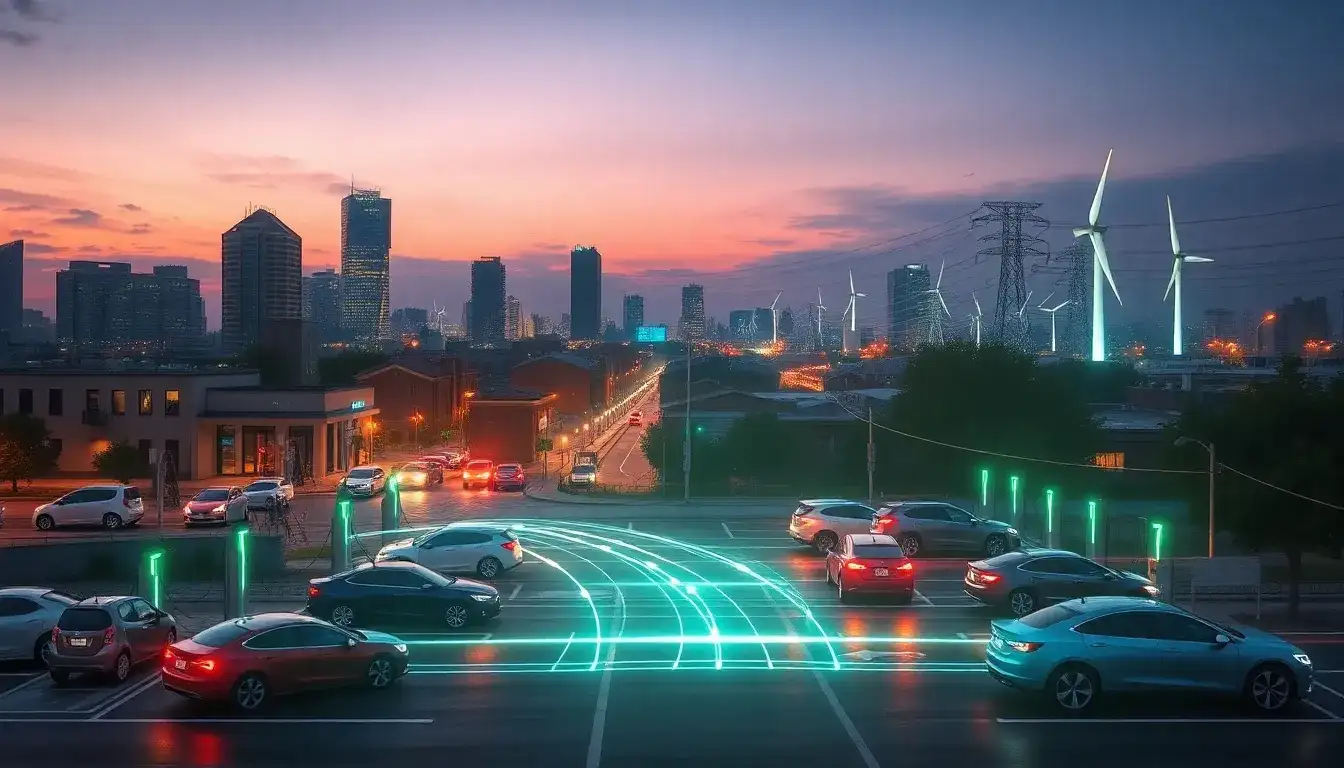
The long-term impacts of electric vehicle (EV) charging on utility peak demand are significant and multifaceted, requiring utilities and stakeholders to proactively manage this evolving load to maintain grid reliability and control costs.
Key Long-Term Impacts on Utility Peak Demand
- Increased Peak Demand and Generation Capacity Needs:
As EV adoption accelerates, the aggregate electricity demand for charging will grow substantially. Forecasts suggest that EV-related electricity load in the U.S. alone could increase from about 24,000 GWh in 2023 to approximately 468,000 GWh by 2040, an increase of around 1850%—equivalent to the current annual electricity generation of a large state like Texas. This growth could represent 9% to 12% of the total U.S. grid capacity, significantly affecting overall load demand and generation requirements. - Greater Utility Financial and Infrastructure Burdens:
Utilities must maintain or acquire sufficient generation capacity to meet not only average demand but also peak demand plus a reserve margin. Peak demand charges from utilities are based on the highest rate of electricity consumption over short intervals within the billing period, not total usage. Increased simultaneous EV charging can cause sharp spikes in demand, leading to higher peak demand charges and necessitating investment in additional generation assets or power purchase agreements, which can be costly and time-consuming to develop. - Challenges with Forecasting and Planning:
Traditional forecasting models often fail to fully capture the rapid growth and charging behavior of EVs, complicating utilities’ ability to plan for long-term peak demand accurately. This can increase the risk of under- or over-investing in infrastructure, affecting both costs and grid reliability. Enhanced forecasting methods that incorporate EV coincident peak demand are essential to address the unique challenges posed by widespread EV charging. - Potential for Peak Demand Shifts and Grid Stress:
Without effective management, EV charging can coincide with existing peak demand periods (e.g., early evening), exacerbating stress on the grid. In regions with rapidly growing EV adoption, this may accelerate the need for new peaking generation capacity, increasing operational and capital costs for utilities and possibly leading to higher electricity rates for all customers.
Mitigation Strategies to Manage Long-Term Peak Demand Impacts
- Smarter and Managed Charging:
Implementing load management and smart charging strategies can stagger or shift EV charging to off-peak hours, thereby flattening demand curves and reducing peak load spikes. This is vital for commercial charging stations and fleet operators that otherwise face high demand charges due to simultaneous charging of multiple vehicles. - Integration of Energy Storage Systems:
Utilizing on-site battery storage can smooth demand by charging storage during off-peak periods and discharging during peak hours. This reduces the peak demand recorded by utilities and helps manage costs and grid stress. - On-Site Renewable Energy Generation:
Adding solar panels or other renewable generation at charging sites can offset grid electricity demand during daylight hours, further reducing peak demand impacts. - Grid Planning and Infrastructure Investment:
Utilities will need to incorporate EV charging forecasts into capacity planning to ensure adequate generation and distribution infrastructure while balancing costs and maintaining reliability over the long term.
In summary, EV charging presents a substantial and growing influence on utility peak demand that will require comprehensive planning, advanced forecasting, and smart load management strategies to mitigate the risks of higher costs, grid stress, and capacity shortages over the coming decades. With proactive measures, utilities can manage this surge in demand to maintain reliable and cost-effective service.
Original article by NenPower, If reposted, please credit the source: https://nenpower.com/blog/what-are-the-long-term-impacts-of-ev-charging-on-utility-peak-demand/

