

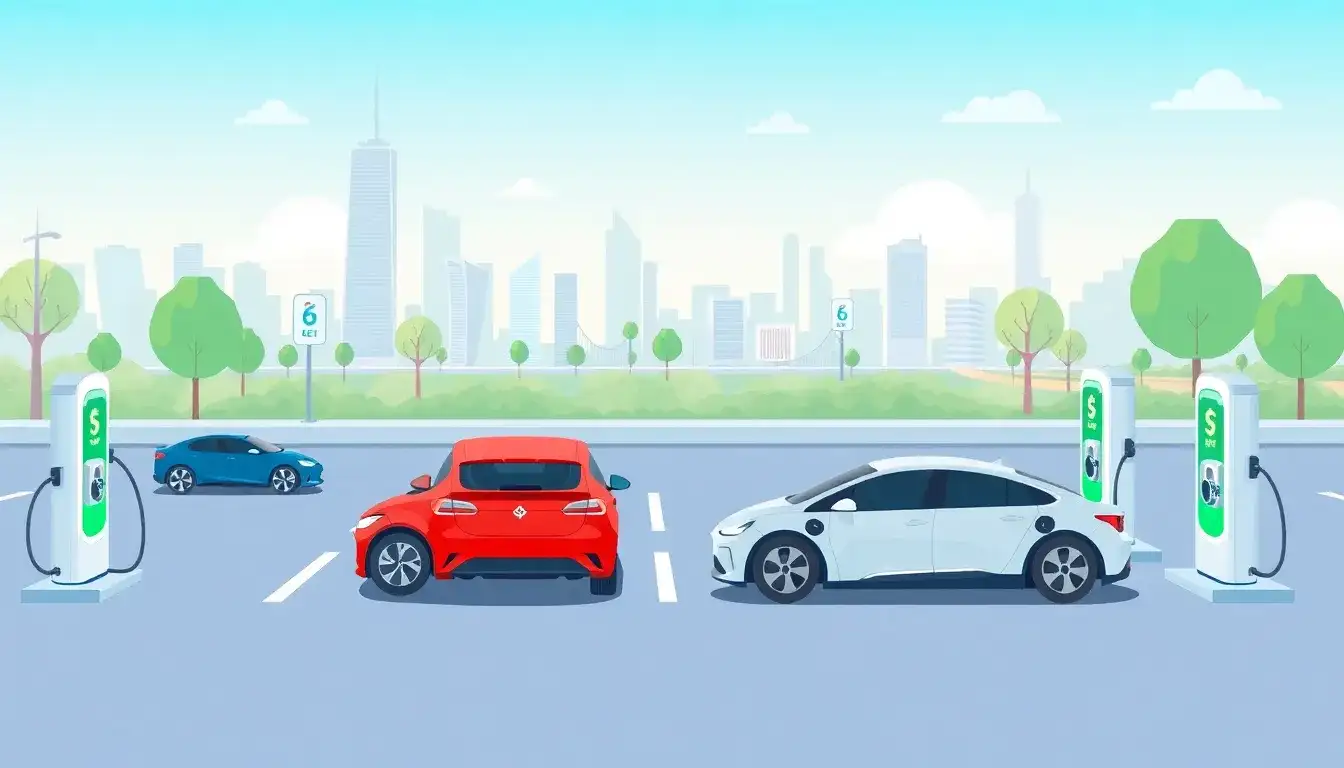
Long-Term Financial Implications of Frequent Fast Charging for EV Owners
Frequent fast charging for EV owners can have several long-term financial implications, both positive and negative. Here’s a breakdown of the key factors:
Negative Implications
- Higher Charging Costs: Fast charging typically costs more than Level 1 or Level 2 charging, with prices ranging from $0.40 to $0.79 per kWh. This can lead to higher monthly charging bills, especially for frequent users.
- Battery Degradation: Frequent fast charging may accelerate battery degradation. While modern EV batteries are designed to handle frequent fast charging, it’s still a concern. Battery replacements can be expensive, impacting the long-term cost of ownership.
- Infrastructure Costs: Although not directly affecting individual owners, the cost of maintaining and upgrading fast charging infrastructure can influence future pricing and availability.
Positive Implications
- Time Efficiency and Convenience: Fast charging enables longer trips and reduces downtime, making EVs more practical for those who need quick recharging.
- Lower Operating Costs: Despite higher fast charging costs, EVs generally have lower operating expenses compared to gasoline-powered vehicles over time. This includes lower maintenance costs and significant fuel savings.
- Economic Benefits Over Time: While initial costs may be higher, EV owners often benefit from reduced energy costs in the long run. As electricity prices stabilize or renewable energy becomes more prevalent, these savings could increase.
Mitigation Strategies
- Balanced Charging Approach: Using fast charging when necessary and Level 2 or Level 1 for daily routines can help manage costs.
- Charging During Off-Peak Hours: Many utilities offer lower rates during off-peak times, which can help reduce costs if fast charging is done strategically.
- Leveraging Public Incentives: Utilizing available incentives such as tax credits or rebates for charging infrastructure can offset costs.
In summary, while frequent fast charging increases short-term costs, the long-term financial implications can be favorable due to overall lower operating costs and the potential for increased convenience and efficiency.
Original article by NenPower, If reposted, please credit the source: https://nenpower.com/blog/what-are-the-long-term-financial-implications-of-frequent-fast-charging-for-ev-owners/

