

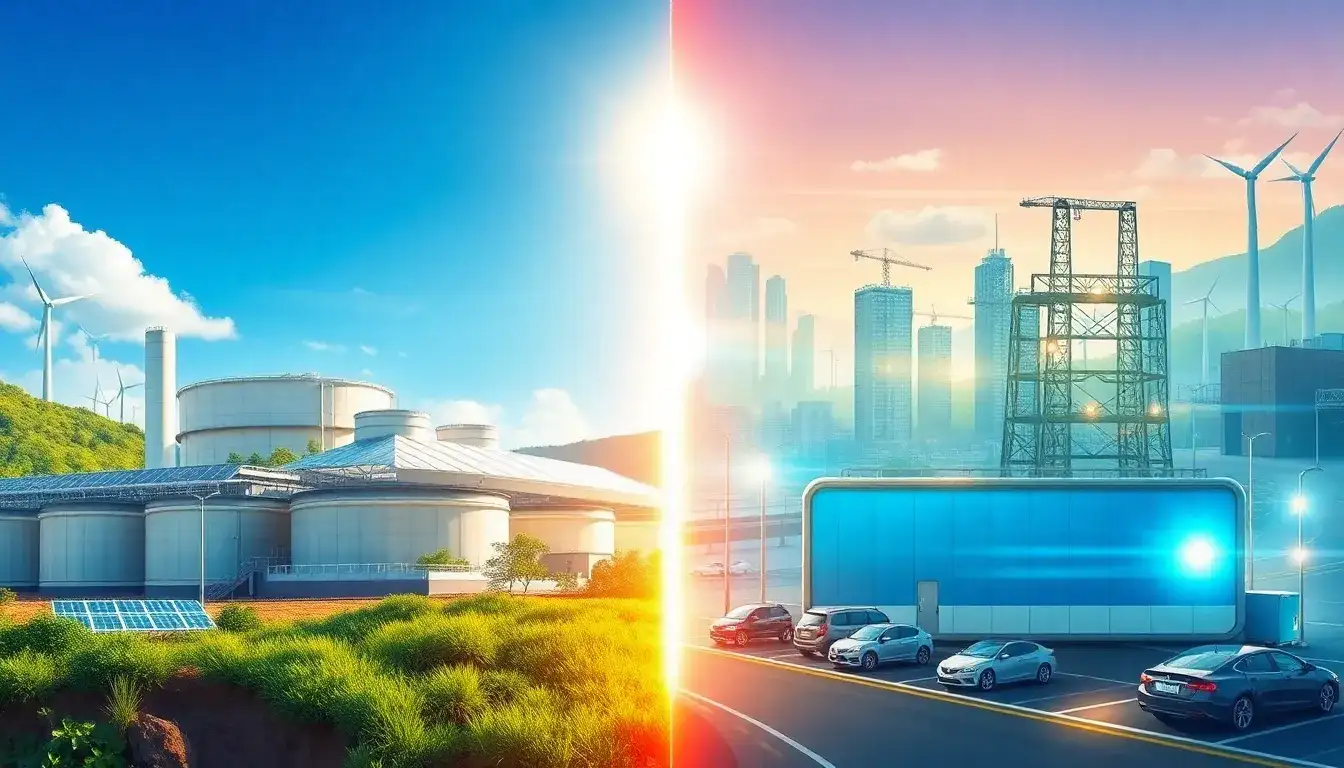
Long-Term Environmental Impacts of Thermal Energy Storage vs. Lithium-Ion Batteries
When comparing the long-term environmental impacts of thermal energy storage (TES) and lithium-ion batteries, several factors come into play. These include resource usage, energy efficiency, emissions during production and operation, and recyclability.
Thermal Energy Storage (TES)
Advantages:
- Renewable Energy Integration: TES helps in efficiently integrating renewable energy sources by storing energy when it is available and releasing it when needed, thereby reducing reliance on fossil fuels and lowering emissions.
- Material Efficiency: TES systems often use materials like sand or engineered bricks, which can be cheap and abundant, reducing the strain on critical resources.
- Pollution Reduction: By reducing peak demand on the power grid, TES minimizes the operation of less efficient power plants, thereby reducing pollution.
Challenges:
- Energy Loss: TES can suffer from energy loss due to thermal dissipation over time, though technologies like thermochemical storage aim to improve efficiency.
- Material Challenges: High-temperature applications require materials with sufficient thermal stability, which may pose engineering challenges.
Lithium-Ion Batteries
Advantages:
- High Energy Density: Lithium-ion batteries offer high energy density and efficiency, making them suitable for a wide range of applications.
- Recyclability: Efforts are being made to improve the recyclability of lithium-ion battery components, reducing waste and the demand for new raw materials.
- Long Lifespan: They have a long operational lifespan, which minimizes the frequency of replacement and associated environmental impacts.
Challenges:
- Resource Constraints: Lithium-ion batteries require lithium and cobalt, which are critical resources subject to supply chain risks and ethical concerns.
- Environmental Impact of Production: The production process can have significant environmental impacts due to energy consumption and potential pollution.
- Waste Management: Despite recyclability efforts, managing end-of-life batteries remains a challenge to prevent pollution.
Comparison Summary
| Technology | Environmental Advantages | Environmental Challenges |
|---|---|---|
| Thermal Energy Storage (TES) | Efficient renewable energy integration, material efficiency, reduces pollution from power plants. | Energy loss, material challenges for high-temperature applications. |
| Lithium-Ion Batteries | High energy density, recyclability, long lifespan. | Resource constraints, environmental impact of production, waste management issues. |
In conclusion, while both technologies have their environmental benefits and challenges, thermal energy storage offers promising solutions for renewable energy integration and reducing peak demand on the grid. However, it may face challenges related to energy efficiency and material stability. Lithium-ion batteries provide high efficiency but are constrained by resource extraction issues and the environmental footprint of their production.
Original article by NenPower, If reposted, please credit the source: https://nenpower.com/blog/what-are-the-long-term-environmental-impacts-of-using-thermal-energy-storage-versus-lithium-ion-batteries/

