

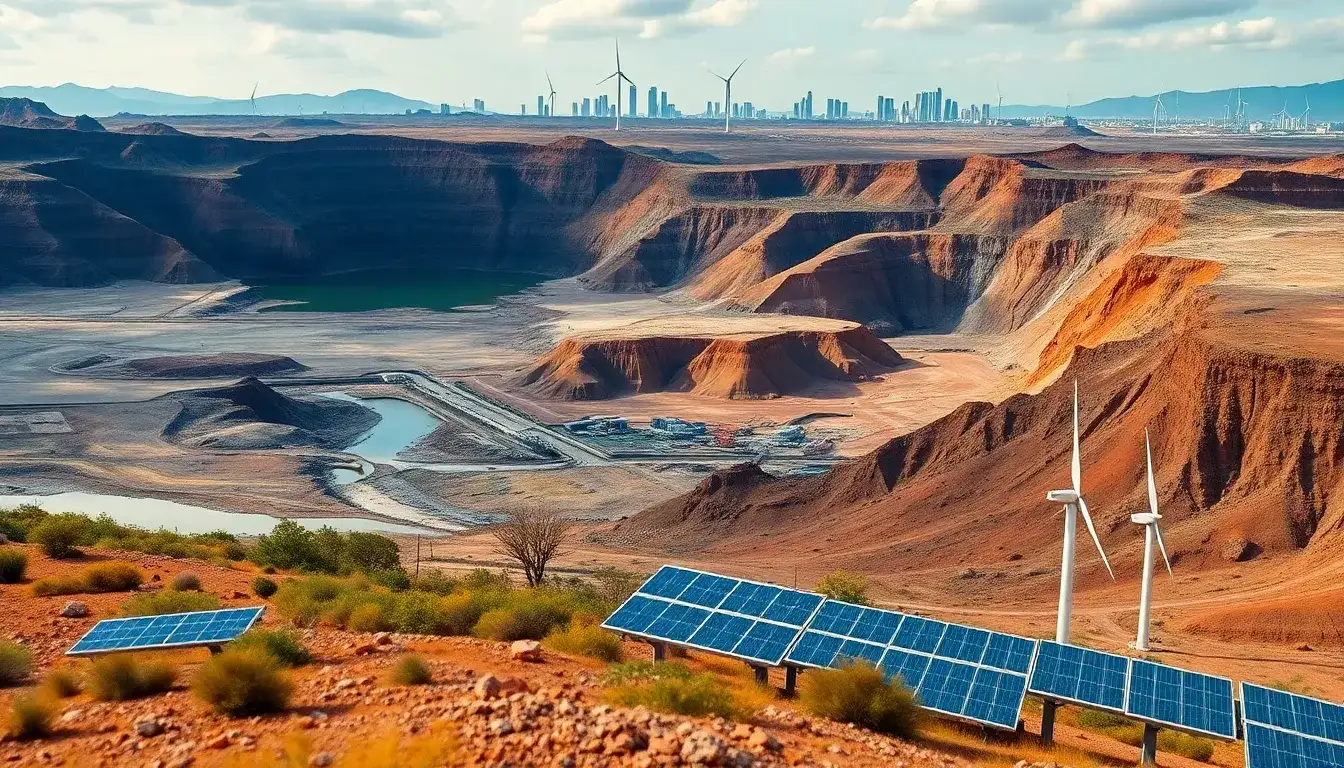
The long-term environmental impacts of mining resources for electric vehicle (EV) batteries are significant and multifaceted:
Water Use and Pollution
- Lithium mining, especially in arid regions like Chile’s Salar de Atacama, consumes vast amounts of water, using up to 65% of local water resources, which stresses already scarce supplies. This over-extraction can deplete aquifers, cause fissures in the ground, and harm surrounding ecosystems.
- Toxic chemicals used in mining processes can contaminate rivers and water sources, severely impacting local communities and biodiversity. For example, lithium mining in Tibet and cobalt mining in the Philippines have led to chemical leaks polluting local water bodies and ecosystems, prompting mine shutdowns due to environmental damage.
Air Pollution and Greenhouse Gas Emissions
- Mining and processing lithium and cobalt emit considerable greenhouse gases. Producing one ton of lithium can release about 15 tons of CO2, contributing significantly to climate change.
- Around 40% of the climate impact from lithium-ion battery production is linked to mining and processing minerals. This is exacerbated when energy for mining and manufacturing comes from coal-heavy electricity grids, such as in China—which dominates battery supply chains.
Habitat Destruction and Biodiversity Loss
- Mining activities often lead to land degradation and habitat destruction, threatening endangered species and reducing biodiversity in mining regions.
- The pollution and depletion of water sources can further endanger local wildlife and ecosystems reliant on these habitats.
Waste and Recycling Challenges
- Currently, only about 5% of EV batteries are recycled due to technological and cost barriers. The disposal of used batteries in landfills poses long-term environmental risks, including soil and water contamination from heavy metals and toxic compounds.
Comparison with Fossil Fuels
- While lithium and cobalt mining produce lower carbon emissions compared to fossil fuel extraction, their environmental footprint remains substantial, especially as demand is projected to increase sharply with EV market growth to 2030 and beyond.
In summary, the long-term environmental impacts of mining for EV batteries include water scarcity and contamination, significant greenhouse gas emissions, habitat destruction, and challenges with waste management. These impacts underscore the need for improved sustainable mining practices, increased battery recycling, and innovations in battery technology to minimize future environmental harm.
Original article by NenPower, If reposted, please credit the source: https://nenpower.com/blog/what-are-the-long-term-environmental-impacts-of-mining-resources-for-ev-batteries/

