

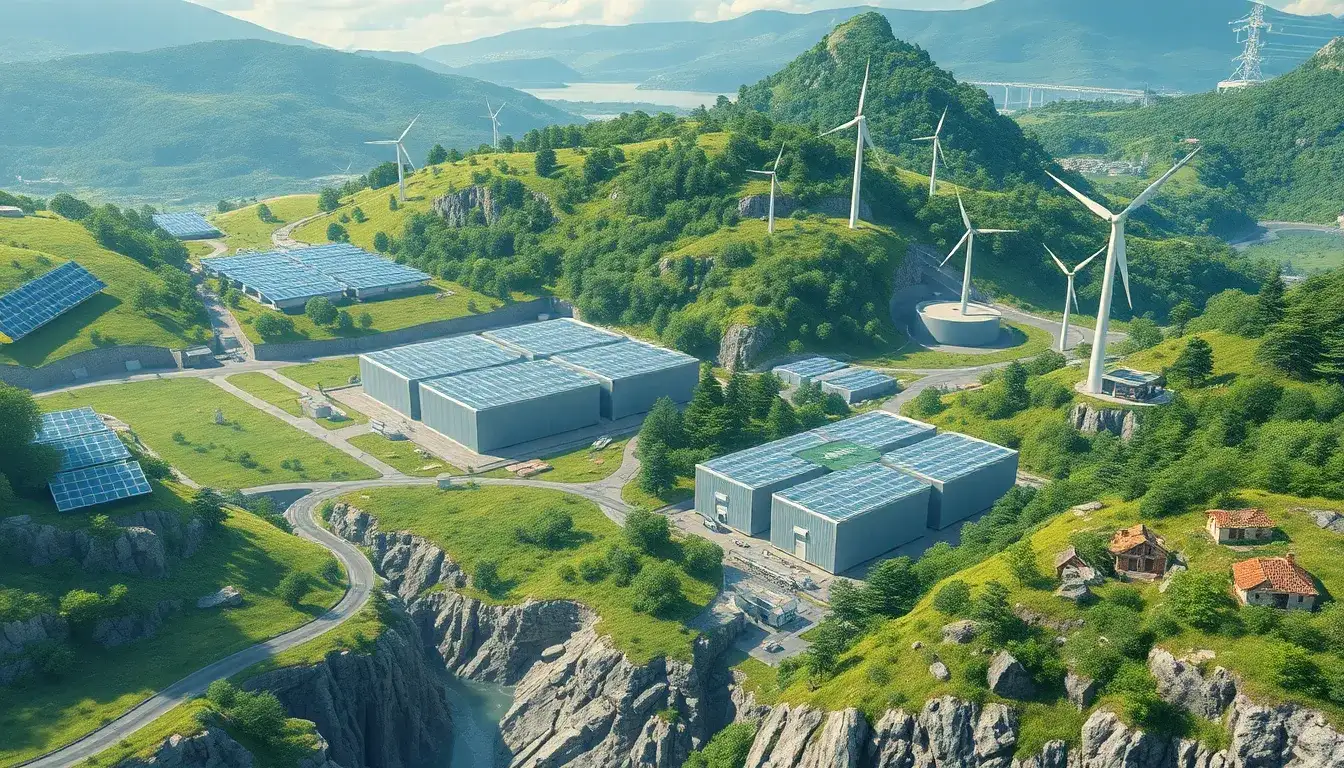
The long-term environmental impacts of large-scale energy storage systems are multifaceted and involve both benefits and risks.
Benefits
- Renewable Energy Integration: Large-scale energy storage systems help integrate renewable energy sources like solar and wind into the grid, reducing the reliance on fossil fuels and thereby decreasing greenhouse gas emissions and air pollution.
- Grid Stability: By storing excess energy and releasing it during peak demand periods, energy storage systems enhance grid stability and reduce the need for additional power plants, which often rely on fossil fuels.
- Energy Efficiency: Long-term energy storage can optimize energy usage, reducing transmission and distribution losses and enhancing overall energy efficiency.
Risks
- Material Extraction and Manufacturing: The production of energy storage systems, such as lithium-ion batteries, requires the extraction of raw materials like lithium and cobalt. This process can lead to water pollution, deforestation, and habitat destruction.
- Greenhouse Gas Emissions: The manufacturing process itself contributes to greenhouse gas emissions due to energy consumption from fossil fuels.
- Disposal and Recycling Challenges: The disposal of batteries poses environmental risks due to toxic materials that can leach into the environment. Improper disposal can contaminate soil and water, while proper recycling technologies are still in development.
- Resource Depletion and Waste: The long-term demand for these materials could lead to resource depletion and increased waste generation if recycling processes are not widely implemented.
- Infrastructure Impact: Large-scale infrastructure development for energy storage can disrupt natural habitats and ecosystems, especially in sensitive areas.
- Safety Concerns: There are safety risks associated with some energy storage technologies, such as lithium-ion batteries (thermal runaway, fires) and hydrogen storage (flammability).
In summary, while large-scale energy storage systems are crucial for a sustainable energy future by supporting renewable energy integration and reducing emissions, they also present environmental challenges related to material extraction, manufacturing, operation, and disposal. Addressing these issues through sustainable practices, efficient technologies, and proper recycling is essential for minimizing environmental impacts.
Original article by NenPower, If reposted, please credit the source: https://nenpower.com/blog/what-are-the-long-term-environmental-impacts-of-large-scale-energy-storage-systems/

