

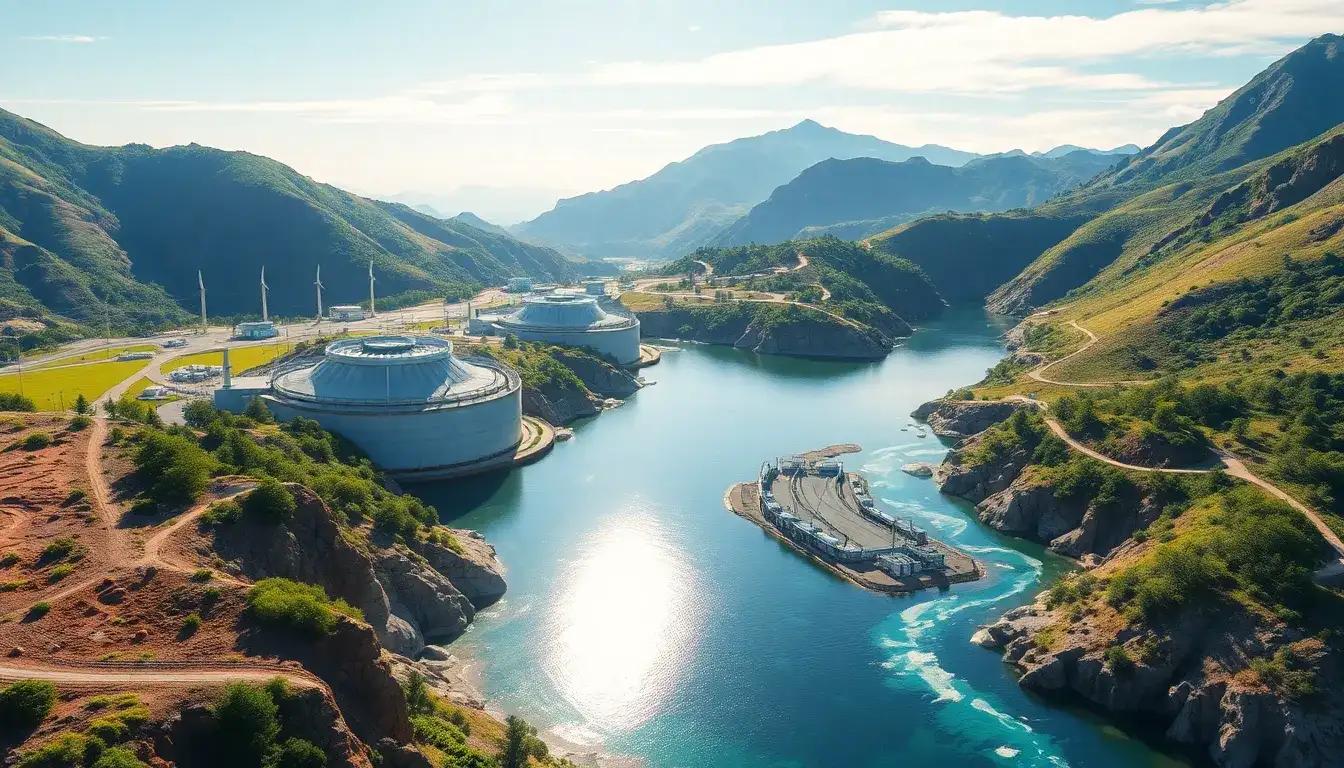
Long-Term Environmental Effects of Using Groundwater in Closed-Loop Pumped Hydro Storage Systems
Using groundwater for closed-loop pumped hydro storage (PSH) systems can have several environmental impacts, primarily in terms of groundwater quality and quantity. These impacts are significant because closed-loop systems rely on initial withdrawal and periodic replenishment of groundwater for reservoir fill and maintaining water levels.
Groundwater Quality Impacts
- Alteration of Groundwater Circulation Patterns: Closed-loop PSH projects using groundwater can disrupt natural groundwater flow patterns. This disruption can affect the chemistry of the groundwater, potentially leading to changes in quality that might impact local ecosystems or water supplies.
- Chemical Changes: The repeated cycling of water between reservoirs could lead to changes in groundwater chemistry, affecting its suitability for other uses or impacting local flora and fauna if the water is eventually released into the environment.
Groundwater Quantity Impacts
- Reduced Availability: The large volumes of groundwater required for initial reservoir fill and continuous replenishment can reduce the availability of groundwater for other local uses. This can strain local water resources, especially in areas where water is already scarce.
- Dependency on Local Hydrology: The sustainability of closed-loop PSH depends on maintaining a stable groundwater balance. Changes in local hydrology, such as droughts or increased demand from other users, could compromise the project’s long-term viability.
Terrestrial and Aquatic Ecology Impacts
While closed-loop systems generally have lower impacts on aquatic ecosystems compared to open-loop systems, there are still potential effects:
- Geology and Soils: The construction process involves large-scale excavation and tunneling, which can affect local geology and soil stability. Reservoir operations might also lead to shoreline erosion.
- Terrestrial Ecology: Land clearing or inundation for reservoir construction can impact terrestrial ecosystems, particularly if they are habitats for sensitive species.
- Land Use and Cultural Resources: Projects may encroach on culturally significant areas or disrupt land use patterns, affecting local communities and ecosystems.
Mitigation Strategies
To minimize these impacts, developers should:
- Conduct thorough environmental assessments to identify potential risks.
- Engage with local communities and stakeholders to address concerns early.
- Implement strategies to mitigate groundwater impacts, such as optimizing water usage and ensuring minimal disruption to local hydrological systems.
- Consider alternative water sources when feasible, to reduce dependency on groundwater.
Overall, while closed-loop PSH systems can offer advantages in minimizing aquatic impacts compared to open-loop systems, careful management and monitoring are required to mitigate long-term effects on groundwater and terrestrial environments.
Original article by NenPower, If reposted, please credit the source: https://nenpower.com/blog/what-are-the-long-term-environmental-effects-of-using-groundwater-in-closed-loop-pumped-hydro-storage-systems/

