

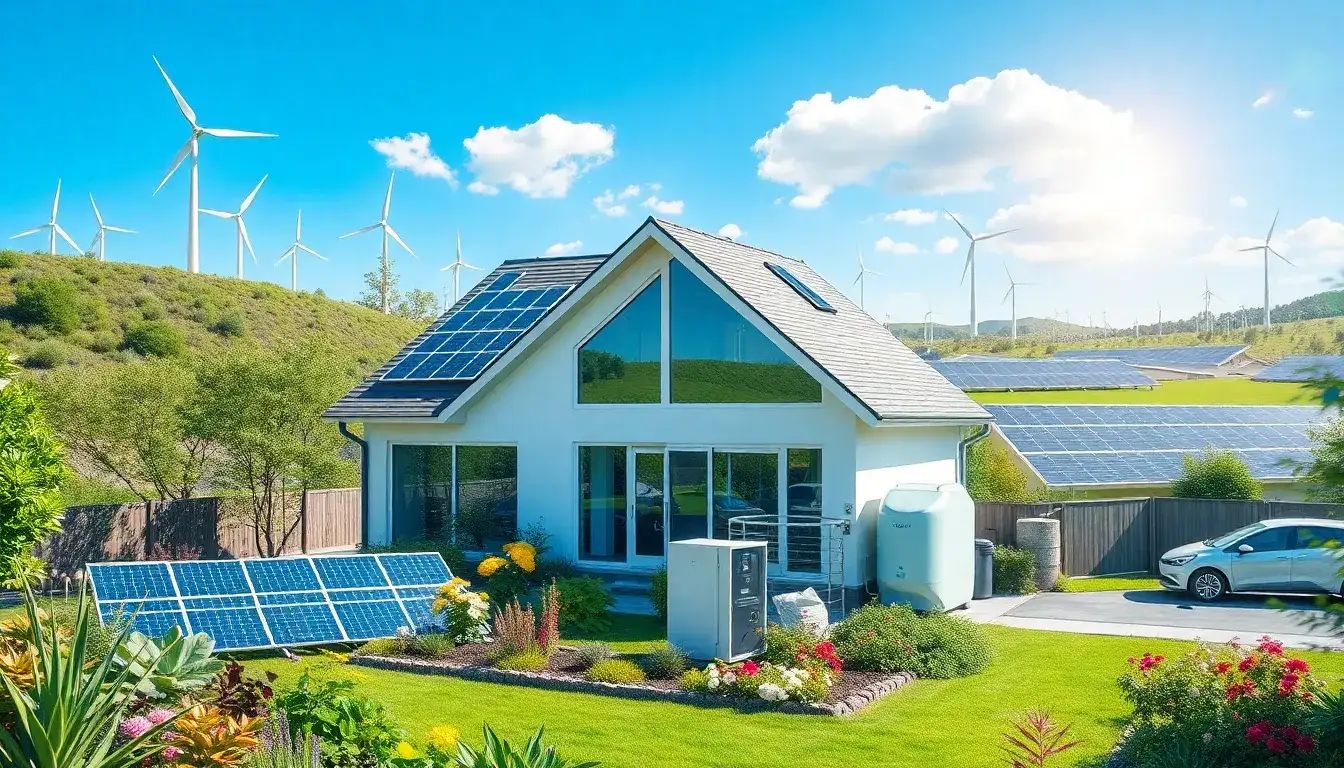
Environmental Benefits of Residential Energy Storage
-
Reduced Reliance on Fossil Fuels
- Residential energy storage systems allow homeowners to store excess renewable energy, such as solar power, for later use. This reduces the reliance on fossil fuels like coal and natural gas, which are major contributors to greenhouse gas emissions and environmental degradation.
-
Lower Carbon Footprints
- By utilizing stored renewable energy instead of drawing from the grid, these systems help reduce overall greenhouse gas emissions. Widespread adoption can significantly lower carbon emissions and contribute to global efforts against climate change.
-
Promoting Renewable Energy
- Battery storage encourages homeowners to maximize the use of renewable energy, making it more practical and convenient. This supports a cleaner energy landscape by reducing dependence on traditional power sources.
-
Grid Stability and Optimization
- Energy storage helps balance grid demand by releasing stored energy during peak times, thereby reducing the need for additional fossil-fuel-based power generation. This enhances grid stability and contributes to a sustainable energy future.
-
Increased Energy Efficiency and Resource Conservation
- By optimizing energy use and reducing waste, residential storage systems contribute to minimizing resource depletion and ensuring energy security for future generations.
-
Recyclability and Durability
- Many energy storage technologies, such as lithium-ion batteries, have long lifespans and can be recycled at the end of their life cycle. This reduces waste and the environmental impact of manufacturing and disposal.
In summary, residential energy storage plays a critical role in transitioning to a cleaner, more sustainable energy system by promoting renewable energy, reducing carbon emissions, and enhancing grid stability.
Original article by NenPower, If reposted, please credit the source: https://nenpower.com/blog/what-are-the-long-term-environmental-benefits-of-residential-energy-storage/

