

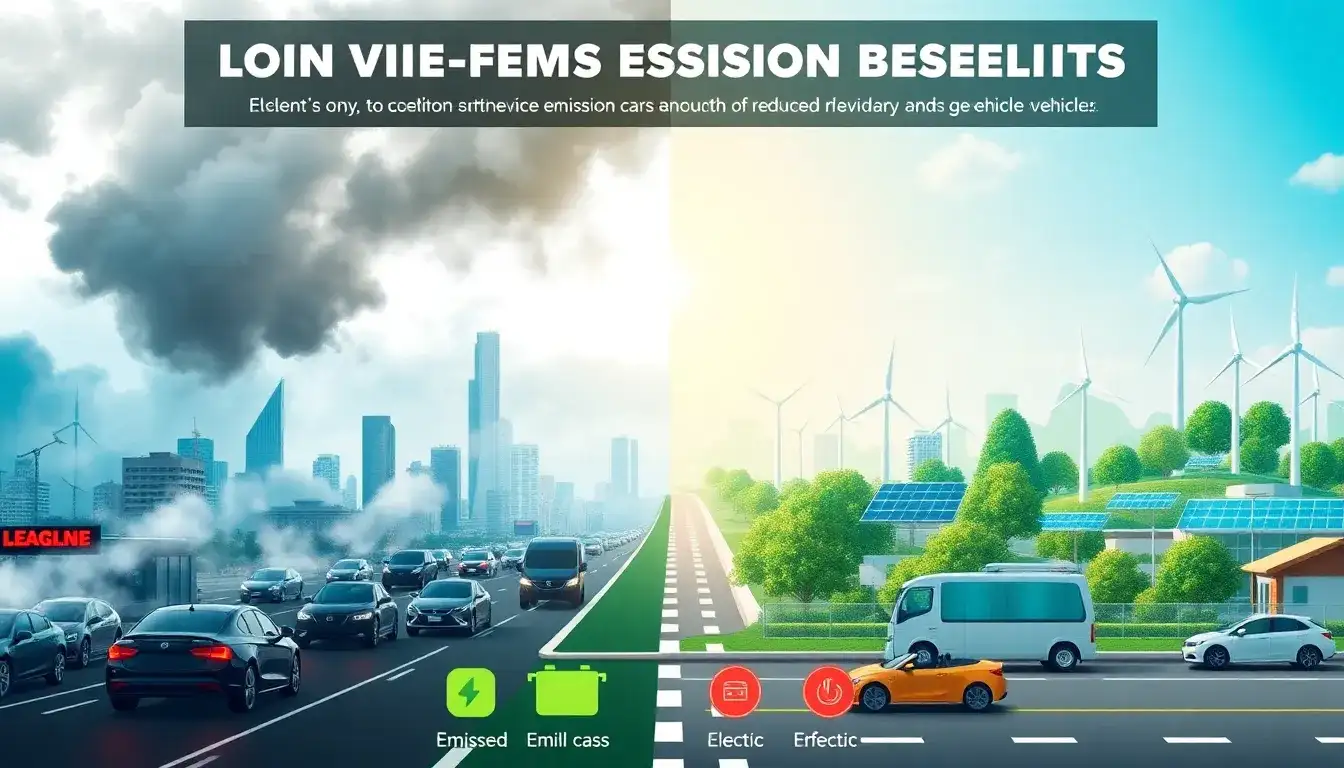
Switching from gasoline cars to electric vehicles (EVs) offers several long-term emissions benefits. Here are some key advantages:
Long-term Emissions Benefits
- Reduced Greenhouse Gas Emissions:
- Net CO2 Reduction: Studies indicate that high EV adoption can decrease net CO2 emissions through 2050, even if the electric sector relies on fossil fuels. Greater reductions are achieved when electricity production shifts towards renewables.
- Life Cycle Emissions: EVs typically have a smaller carbon footprint than gasoline cars, due to lower life cycle emissions. This advantage is enhanced as the electricity grid transitions to cleaner energy sources.
- Traditional Air Pollutant Reduction:
- Air Quality Improvement: Electric vehicles produce zero tailpipe emissions, improving urban air quality and reducing health impacts from vehicle pollution.
- Small Air Pollutant Changes: While EVs significantly decrease CO2 emissions, the net changes in other air pollutants by 2050 are relatively small compared to overall reductions from recent levels.
- Grid Decarbonization Impact:
- Cleaner Electricity Grid: As the electricity grid becomes cleaner, EVs become increasingly environmentally friendly. This synergy supports broader climate targets like net zero emissions.
- Second-Life Battery Benefits:
- Repurposing EV Batteries: After their vehicle lifespan, EV batteries can be repurposed for powering homes and the electricity grid. This “second-life” use extends their utility, further reducing waste and enhancing environmental benefits.
Overall, transitioning to electric vehicles offers substantial long-term emissions benefits, especially when combined with a shift towards renewable energy sources in the power sector.
Original article by NenPower, If reposted, please credit the source: https://nenpower.com/blog/what-are-the-long-term-emissions-benefits-of-switching-from-gasoline-cars-to-electric-vehicles/

