

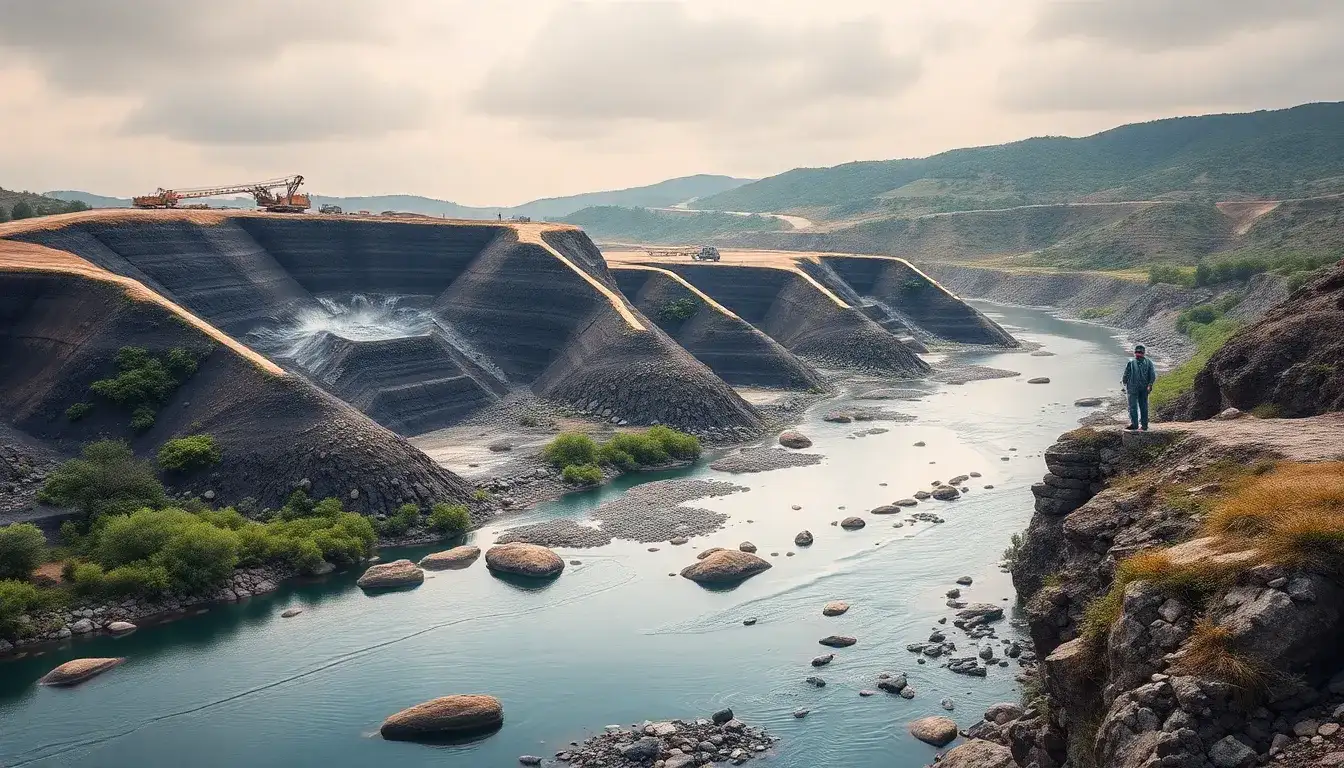
The long-term effects of lithium mining on water quality can be significant and multifaceted, impacting both groundwater and surface water in mining regions.
Key Long-Term Effects on Water Quality
-
Depletion and Overpumping of Underground Water
Lithium mining often relies on extracting lithium-rich brine from underground reservoirs. Overpumping these brines can drastically lower water tables, leading to reduced availability of fresh groundwater and causing ground subsidence, fissures, or even sinkholes. -
Salinization of Freshwater Reserves
When large quantities of salty brine water are withdrawn, fresh water can be drawn into the brine aquifers and mix with salt water, leading to salinization of nearby freshwater aquifers and surface waters. This damages water quality critical for drinking, agriculture, and ecosystem health. -
Chemical Contamination
Lithium extraction involves chemical treatments to separate lithium from ores or brines. Improper handling or leaks of these chemicals can contaminate nearby water bodies, affecting aquatic life and human water supplies. The specific contaminants may include lithium itself as well as elements like rubidium and cesium found at elevated levels near legacy mining sites. -
Changes in Water Chemistry
Research on historic lithium mining sites shows that mining waste interactions may alter water pH, sometimes creating temporarily alkaline conditions, although they do not typically cause acidic runoff like coal mining. However, the presence of uncommon elements raises questions about long-term environmental health impacts. -
Loss of Wetland and Surface Water Ecosystems
In regions like the Lithium Triangle in the Andes, extensive evaporation of water for lithium extraction has lowered water tables, dried up lakes and wetlands, and compromised wetland ecosystems. This results in biodiversity loss and reduced climate resilience locally, as these wetlands store carbon and regulate regional hydrology. -
Impact on Local Communities
Indigenous and local communities in water-stressed mining areas report reduced access to water for farming, drinking, and livestock due to depletion and contamination of water resources caused by lithium mining operations.
Summary
Lithium mining, especially when scaled up, poses significant risks to water quality through depletion of aquifers, salinization, chemical contamination, altered water chemistry, and destruction of wetlands. These changes have cascading effects on ecosystems, biodiversity, and human communities reliant on clean water. Effective management and mitigation strategies are essential to reduce these long-term impacts as lithium demand grows with the energy transition.
Original article by NenPower, If reposted, please credit the source: https://nenpower.com/blog/what-are-the-long-term-effects-of-lithium-mining-on-water-quality/

