

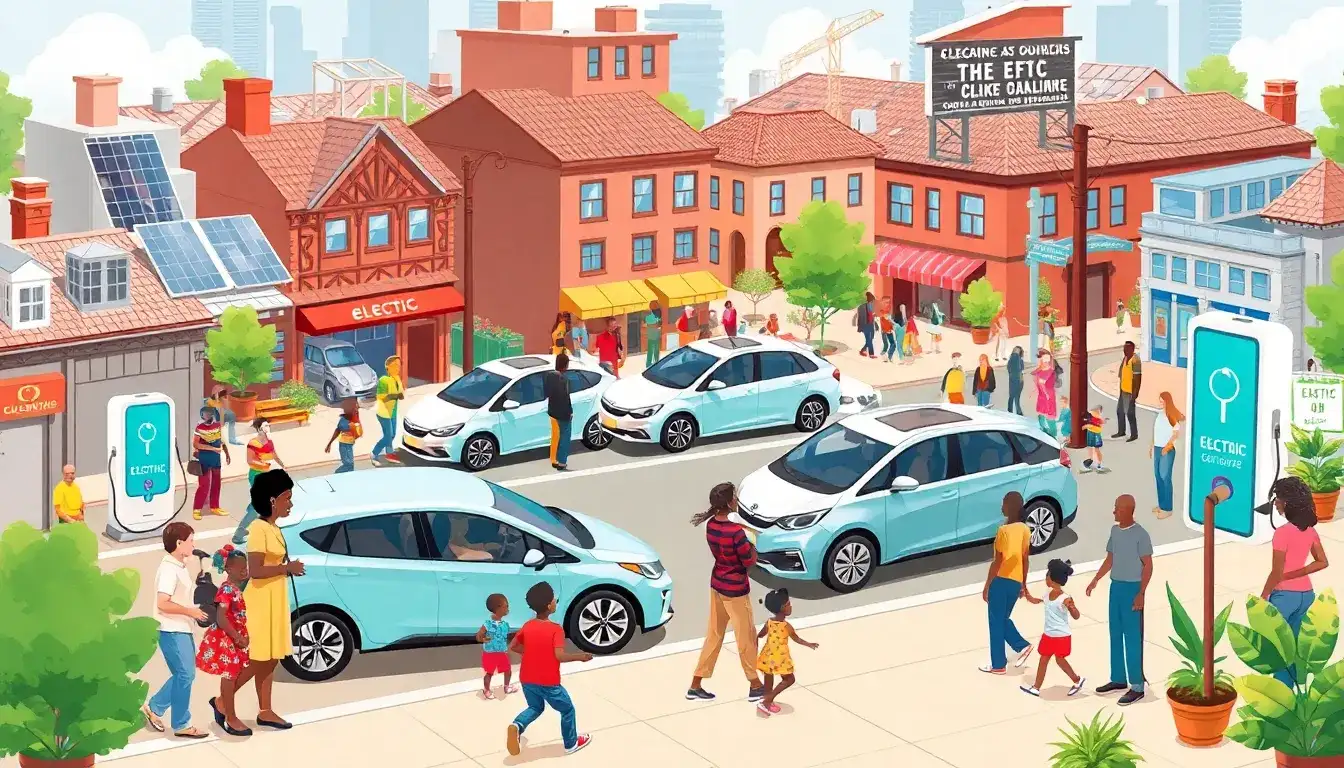
Adopting electric vehicles in low-income communities can yield several long-term economic benefits, complemented by environmental and health advantages. Here are some key economic benefits:
Long-Term Economic Benefits for Low-Income Communities
Lower Operating Costs
Electric vehicles generally have lower operating costs compared to conventional vehicles. They require less maintenance and are more energy-efficient, which reduces fuel and maintenance expenses for vehicle owners. This can create long-term economic advantages, especially for low-income households where such savings can be significant relative to their income.
Energy Savings
The reduced energy costs from using electric vehicles instead of gasoline-powered ones can further contribute to economic savings. This is particularly beneficial in areas where energy costs are high, allowing more disposable income for other essential expenses.
Local Economic Development
Supporting electric vehicle adoption in low-income communities can foster local economic growth. This includes job opportunities in the renewable energy sector, such as installing and maintaining charging infrastructure, and community-driven initiatives that promote sustainable transportation solutions.
Increased Affordability and Equity
While lower-income households typically purchase older vehicles and might benefit less immediately from new electric vehicle technology, targeted incentives can encourage early adoption. By 2030, electrification is expected to provide significant cost savings, potentially enabling low-income households to afford more options for housing, as the savings could amount to a substantial portion of their income.
Enhanced Retail and Tourism
In rural or urban areas, the presence of electric vehicle charging stations can attract travelers who plan their routes based on charging availability. This can boost local businesses by encouraging visitors to stop and spend money in their communities while recharging their vehicles.
Challenges and Opportunities
Despite these benefits, there are challenges such as the high upfront cost of electric vehicles and the need for more charging infrastructure. Addressing these hurdles can create opportunities for government and private investment, potentially through targeted incentives for low-income communities.
Overall, the long-term economic benefits of electric vehicle adoption in low-income communities are substantial, and with the right support and incentives, these benefits can be maximized.
Original article by NenPower, If reposted, please credit the source: https://nenpower.com/blog/what-are-the-long-term-economic-benefits-for-low-income-communities-adopting-electric-vehicles/

