

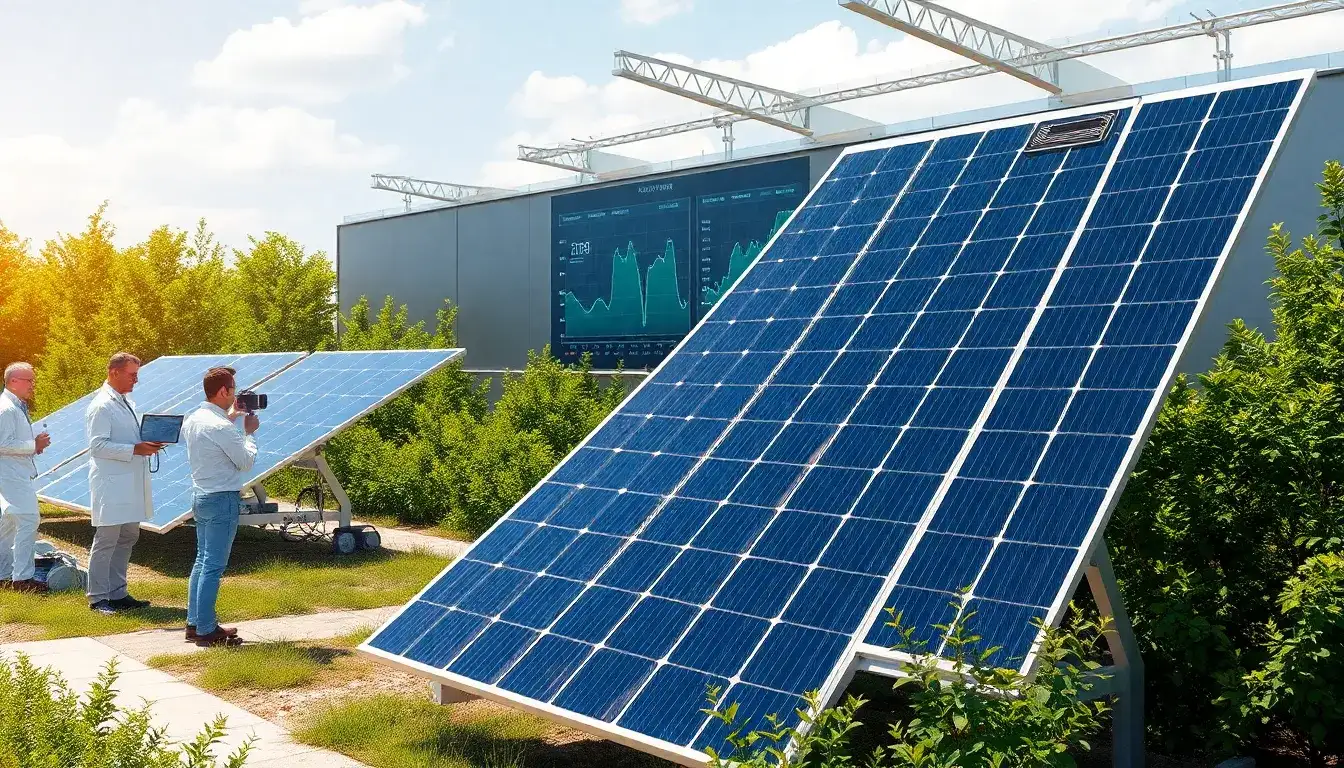
Bifacial solar panels offer improved long-term durability and warranty benefits compared to traditional monofacial panels, largely due to their double-glass construction.
Durability of Bifacial Solar Panels
- Double-Glass Construction: Most bifacial panels use a dual-glass design (glass on both front and back), which significantly enhances their resistance to environmental factors such as moisture, UV radiation, and mechanical damage. This robust build typically results in greater durability and lower degradation rates over time compared to monofacial panels that often have a polymer backsheet prone to wear.
- Longer Lifespan: The sturdy double-glass structure not only protects better against harsh weather (hail, wind-driven debris, temperature extremes) but also provides structural strength to withstand heavier loads. As a result, bifacial panels generally have a longer operational lifespan, often up to 30 years, compared to the usual 25 years for monofacial panels.
- Environmental Resistance: Bifacial panels are less susceptible to typical environmental degradation, including moisture intrusion and UV damage, thanks to the glass encapsulation on both sides. Their design also makes them better sealed and more resilient to physical stresses.
- Thermal and Mechanical Stability: High-quality bifacial panels manage thermal expansion and contraction effectively, minimizing wear on internal connections and preserving durability under temperature fluctuations often encountered over the years.
Warranty Expectations
- Extended Warranties: Due to their enhanced durability and longer expected lifespan, bifacial solar panels often come with longer or more comprehensive warranties than monofacial panels. Manufacturers tend to offer warranties in line with their 30-year lifespan, which cover performance guarantees and protection against material defects over an extended time frame.
- Performance Guarantees: Along with physical warranties, bifacial panels usually include assurances of sustained energy output, reflecting their capacity to maintain higher efficiencies (including the rear-side gain) over time.
Summary Comparison
| Aspect | Bifacial Panels | Monofacial Panels |
|---|---|---|
| Construction | Dual-glass (front and back) for durability | Glass front and polymer backsheet |
| Lifespan | Up to ~30 years | Typically ~25 years |
| Durability Features | Superior moisture, UV, mechanical resistance | Standard protection, more prone to degradation |
| Warranty Duration | Longer warranties aligned with lifespan | Standard warranties (~25 years) |
| Environmental Resilience | Better sealed, less degradation | More vulnerable to moisture and UV damage |
In conclusion, bifacial solar panels provide improved long-term durability primarily due to their double-glass design, leading to a longer lifespan and extended warranty periods typically up to 30 years. This makes them a robust choice for installations where longevity and sustained performance are critical, despite their higher initial cost.
Original article by NenPower, If reposted, please credit the source: https://nenpower.com/blog/what-are-the-long-term-durability-and-warranty-expectations-for-bifacial-solar-panels/

