

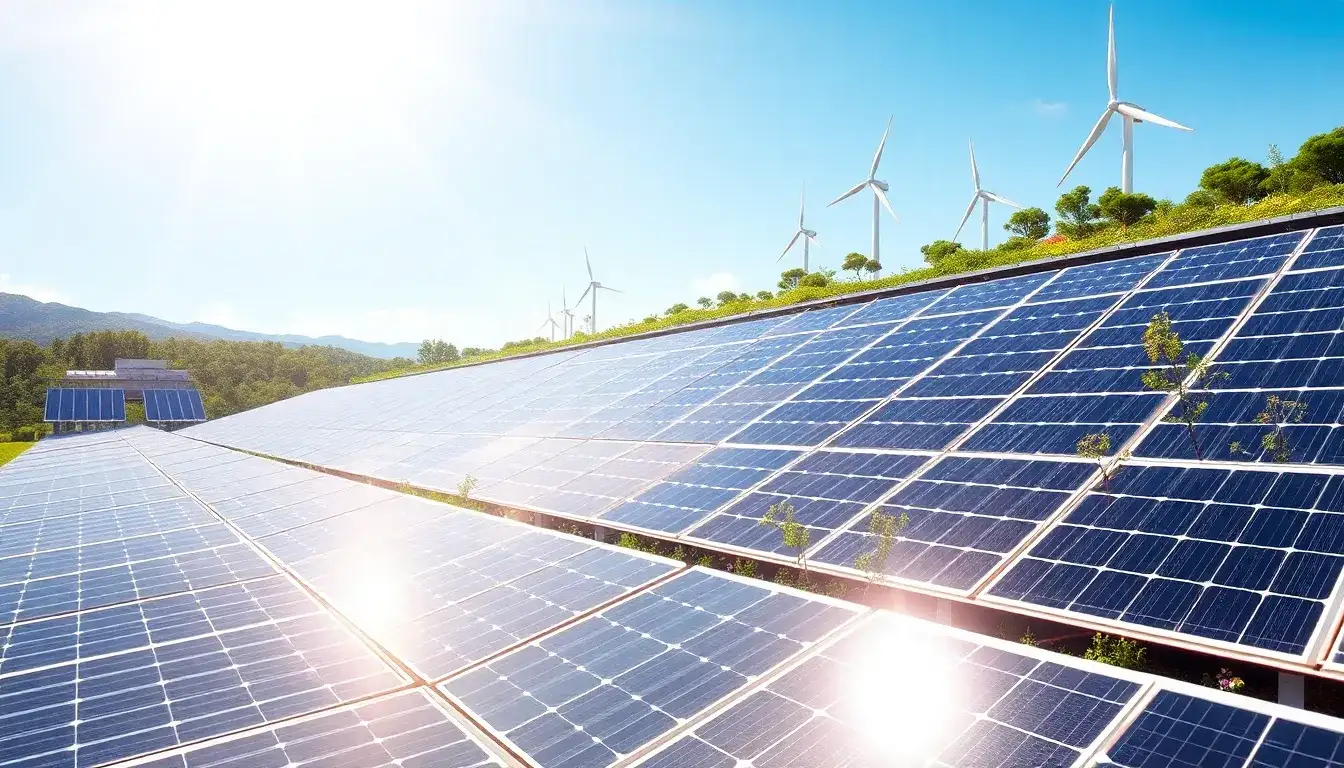
The long-term benefits of using cooling systems for solar panels are multifaceted, impacting performance, durability, economics, and environmental sustainability.
Key Long-Term Benefits of Solar Panel Cooling Systems
1. Increased Energy Output and Efficiency
Solar panels convert a significant portion of sunlight into heat rather than electricity, causing panel temperatures to rise above optimal levels (typically around 25°C). Elevated temperatures, often reaching 60-80°C in hot climates, reduce the photovoltaic cells’ voltage and thus lower power output. Cooling systems help dissipate this excess heat, maintaining panels closer to their optimal temperature, which can increase energy generation by approximately 10-20% depending on climate and cooling method. This boost in electrical output translates to greater electricity production and energy savings over the long term.
2. Extended Panel Lifespan and Reduced Degradation
High temperatures cause thermal expansion and accelerate material degradation in solar panels, leading to microcracks, hot spots, and premature failures. Cooling helps prevent these thermal stresses and maintains a stable, lower operating temperature, significantly extending the average lifespan of solar panels. This prolongs the service life, reduces the frequency of replacements, and lowers maintenance costs associated with solar installations.
3. Environmental Benefits
By improving solar panel efficiency and lifespan, cooling systems help maximize the use of renewable energy and reduce reliance on fossil fuels. This contributes to lowering greenhouse gas emissions and mitigating climate change. Furthermore, innovative cooling approaches like floating solar on water bodies offer dual environmental advantages by preserving land area and protecting aquatic ecosystems, while also achieving temperature reductions up to 42°C and efficiency improvements up to 15%.
4. Economic Savings and Improved ROI
The enhanced energy output combined with extended panel durability ultimately leads to better cost-effectiveness and return on investment for solar power systems. Increased efficiency reduces the need for additional panels to meet energy demands, and a longer lifespan decreases replacement and repair expenses. Cooling solutions, especially those using natural or solar-powered mechanisms, can offset their installation costs by boosting long-term savings.
5. Technological and Application Advances
Modern cooling technologies vary from natural ventilation to forced air, photovoltaic-thermal hybrid systems, and floating solar cooling strategies. Each offers different balances of efficiency, cost, and complexity, with ongoing research focusing on improved heat removal with minimal thermal resistance and greater energy harvesting from the extracted heat. These innovations promise to further enhance solar power’s sustainability and practical deployment.
In summary, incorporating cooling systems for solar panels leads to higher energy yields, longer operational life, reduced environmental impact, and better economic performance over the lifespan of the solar installation. This makes cooling an essential strategy for optimizing solar energy systems, especially in hot climates or large-scale projects.
Original article by NenPower, If reposted, please credit the source: https://nenpower.com/blog/what-are-the-long-term-benefits-of-using-cooling-systems-for-solar-panels/

