

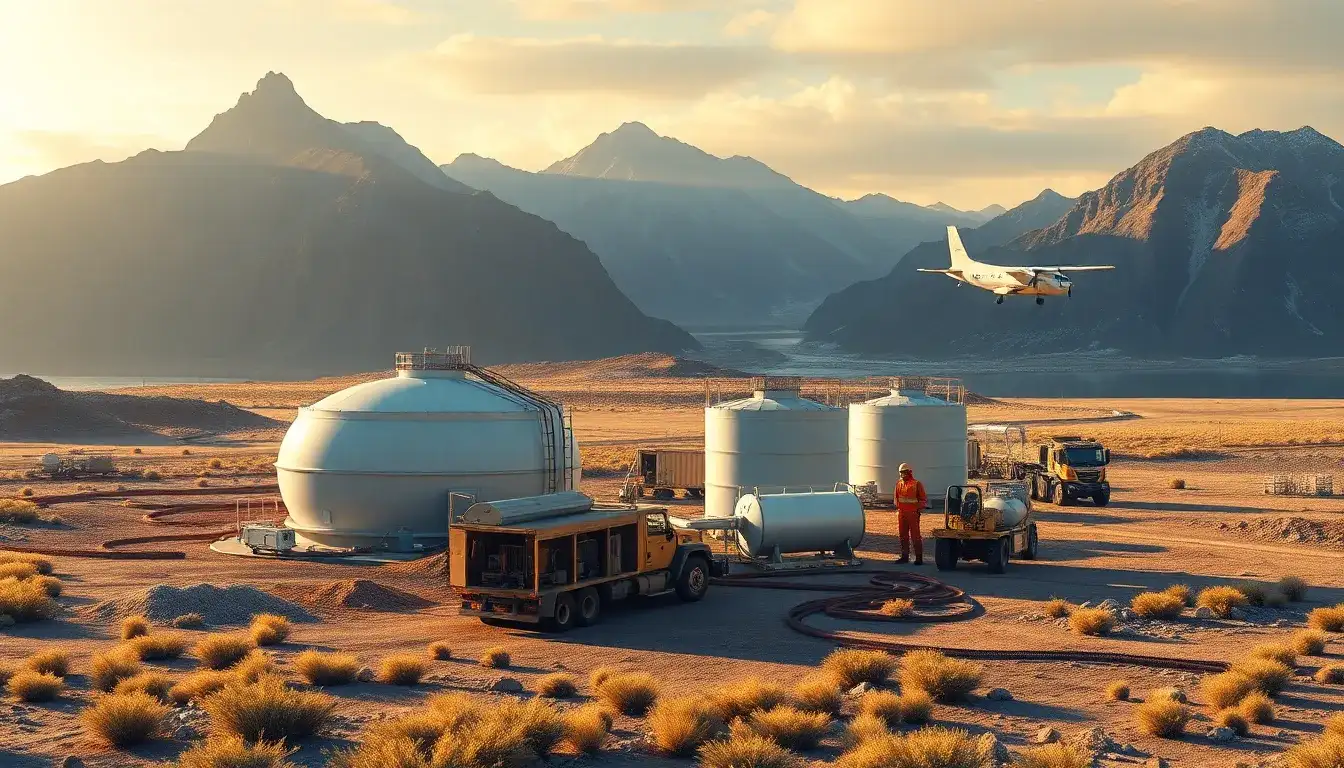
Constructing Liquid Air Energy Storage (LAES) systems in remote locations involves several logistical challenges, primarily due to the complexity of the technology and the site-specific demands. Key challenges include:
- Transportation and Accessibility: LAES plants include large, heavy turbomachinery, cryogenic equipment, compressors, and air expanders that require specialized transport. Remote locations often lack developed infrastructure (roads, ports), complicating the delivery and handling of oversized components.
- Infrastructure and Site Preparation: Remote sites may lack the necessary basic infrastructure such as roads, power supply, and water, making initial site preparation costly and time-consuming. Installation requires precise foundation work for heavy and sensitive equipment to ensure stability and safety in operation.
- Skilled Workforce Availability: LAES construction demands highly skilled engineers and technicians familiar with cryogenic and turbomachinery systems. Remote locations often face shortages of such workforce, necessitating transport and accommodation arrangements or training local workers, both of which add logistical complexity and cost.
- Phased Construction Complexity: As seen in large-scale projects like the Carrington CRYOBattery™, construction is staged—starting with grid stabilization components followed by the full liquid air system integration. Coordinating phased delivery and assembly in remote areas requires meticulous planning and could be hindered by site access and resource availability.
- Environmental and Regulatory Constraints: Remote locations, especially those in environmentally sensitive areas, present challenges related to permits, environmental impact assessments, and protection measures. These can delay construction and require additional logistics for compliance activities.
- Supply Chain and Maintenance Logistics: Once operational, remote LAES facilities need regular maintenance and supply of cryogenic fluids and spare parts. Logistics for ongoing support are more complex and costly compared to urban settings, making robust supply chain planning essential.
In summary, logistical challenges for constructing LAES systems in remote areas revolve around transportation of complex equipment, site readiness, skilled labor availability, phased and precise construction activities, regulatory compliance, and long-term maintenance logistics. These challenges necessitate advanced planning, infrastructure development, and partnership with experienced suppliers to ensure project success.
Original article by NenPower, If reposted, please credit the source: https://nenpower.com/blog/what-are-the-logistical-challenges-in-constructing-laes-systems-in-remote-locations/

