

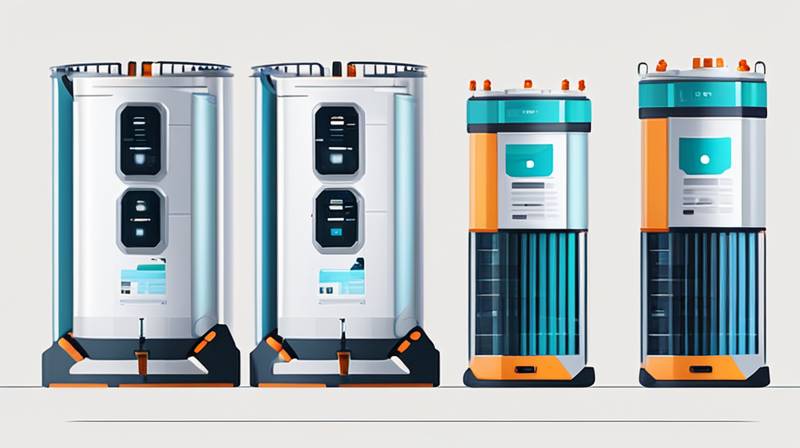
Large-scale energy storage facilities are innovative installations designed to accumulate and store energy for future use, often contributing to grid stability and renewable energy integration. 1. These facilities can help manage the intermittent nature of renewable energy sources such as wind and solar; 2. They enable the balancing of supply and demand in electricity markets; 3. Various technologies exist, including pumped hydroelectric storage, lithium-ion batteries, and compressed air energy storage; 4. Their deployment is increasing due to the need for more resilient and sustainable energy systems. One noteworthy aspect is the impact of large-scale energy storage on renewable energy utilization. By storing excess energy generated during peak production times, these facilities ensure that clean energy can be available even when generation drops, thereby enhancing the overall efficiency and sustainability of energy systems.
1. THE IMPORTANCE OF LARGE-SCALE ENERGY STORAGE FACILITIES
Large-scale energy storage facilities are pivotal in modern energy systems, serving as buffers between energy supply and demand, especially in the context of increasing reliance on intermittent renewable sources like solar and wind. As traditional energy generation systems evolve, the need for flexible storage solutions has never been more urgent. These installations function as energy reserve systems that allow for the accumulation of surplus energy during peak production periods, which can later be dispatched during times of high demand or low generation. This function aids in stabilizing the grid and enhancing the reliability of electricity supply, which is of paramount importance in both urban and rural settings.
The benefits of large-scale energy storage extend well beyond mere supply and demand management. These facilities can also alleviate the pressure on fossil fuel power plants by enabling a greater adoption of clean energy resources. This is crucial for meeting global climate targets and transitioning towards more sustainable energy systems. As more jurisdictions commit to ambitious emissions reduction goals, integrating large-scale energy storage into the grid becomes an indispensable strategy for reducing greenhouse gas emissions while maintaining energy accessibility.
2. TECHNOLOGIES UTILIZED IN LARGE-SCALE ENERGY STORAGE
An array of technologies is employed in large-scale energy storage facilities, each with unique principles, advantages, and challenges. 1. Pumped Hydroelectric Storage (PHS) stands out as the most mature technology, accounting for a significant portion of global energy storage capacity. PHS operates by utilizing two reservoirs at different elevations. When energy demand is low or when there is excess energy available—such as during the night—water is pumped from the lower reservoir to the upper one. During peak demand periods, the stored water is released, flowing back down through turbines to generate electricity. This method is exceedingly efficient and can have operational lifespans exceeding half a century; however, it requires specific geographical locations and significant initial capital investment.
A second prevalent technology is Lithium-Ion Batteries, which have gained prominence primarily due to their modularity, rapid response times, and declining costs. Lithium-ion batteries have revolutionized not just personal electronics but also larger applications in energy storage. These batteries can be deployed in various configurations, from grid-scale installations to residential setups, allowing for high degrees of flexibility. However, despite their high energy density and efficiency, concerns regarding lifecycle sustainability, recycling challenges, and the availability of lithium and cobalt—a key component in these batteries—remain pressing issues that necessitate balanced consideration as deployment scales up.
3. IMPACT ON RENEWABLE ENERGY INTEGRATION
The role of large-scale energy storage in facilitating the integration of renewable energy is profound and cannot be overstated. Intermittent generation patterns of wind and solar energy, while beneficial for reducing greenhouse gas emissions, also present challenges concerning grid stability and reliability. Large-scale energy storage addresses these challenges by providing the much-needed flexibility to accommodate fluctuations in energy generation. When renewable generation surpasses demand, energy storage systems can capture the excess, thus minimizing curtailment of renewable resources, which can otherwise result in wasted energy.
Furthermore, the synergy between large-scale energy storage and renewable generation can drive down energy costs in the long term. By allowing for a greater share of renewables in the energy mix, these facilities circumvent the reliance on fossil fuel-based peaker plants—traditionally used to meet demand during peak periods. The increased deployment of large-scale storage increases demand for renewables, creating a positive feedback loop that can lead to further investment and technological advancements in the sector. This interconnected dynamic enhances the overall economic viability of renewable projects and facilitates the transition to a cleaner and more resilient energy future.
4. REGULATORY AND MARKET CHALLENGES
The establishment and expansion of large-scale energy storage facilities are not without challenges, particularly those related to regulatory frameworks and market dynamics. In many regions, the regulatory landscape has not yet fully adapted to accommodate energy storage’s unique characteristics, leading to difficulties in integrating these facilities into existing electricity markets. Energy storage systems can play multiple roles, including energy arbitrage, ancillary services, and demand response, but regulations often fail to recognize these diverse functionalities. Without appropriate policies, the potential of energy storage to contribute positively to grid operations can be undermined.
Moreover, the market dynamics governing energy prices can complicate investment decisions in energy storage. Traditional pricing models do not always adequately reflect the value that energy storage provides to the grid, leading to underinvestment in necessary infrastructure. Creative market instruments and innovative regulatory policies are essential to rectify this imbalance. For instance, markets could be restructured to reward storage for the grid services it provides, such as frequency regulation, allowing for a more equitable distribution of costs and benefits. Addressing these regulatory and market challenges is crucial for fostering an environment conducive to the growth of large-scale energy storage solutions.
5. CASE STUDIES OF LARGE-SCALE ENERGY STORAGE
Several noteworthy case studies exemplify the effective implementation of large-scale energy storage technologies. One such instance is the Hornsdale Power Reserve in South Australia, which notably features lithium-ion batteries. Since its inception, the Hornsdale facility has demonstrated a remarkable ability to respond to grid frequency fluctuations swiftly, significantly improving the reliability of the local grid. It has also played a critical role in reducing electricity prices in the region, highlighting how strategically deployed energy storage can substantively influence market dynamics and energy costs.
Another exemplary project is the Bath County Pumped Storage Station in Virginia, USA, which has one of the largest energy storage capacities in the world. The facility allows operators to manage energy during periods of high demand and has been pivotal in providing grid stability over several decades. Projects like Bath County exemplify the potential for energy storage systems to not only address immediate energy challenges but also serve as long-term solutions capable of adapting to future energy needs.
FREQUENTLY ASKED QUESTIONS
WHAT IS THE PRIMARY PURPOSE OF LARGE-SCALE ENERGY STORAGE FACILITIES?
The primary objective of large-scale energy storage facilities hinges on their ability to acclimatize to fluctuating energy supply and demand. By storing excess energy during low-demand periods and releasing it when demand surges, these installations enhance overall grid reliability and stability. Their functionality becomes especially critical in regions vastly incorporating renewable energy sources, allowing for continuous and consistent energy supply while mitigating the inherent intermittency associated with wind and solar technologies.
HOW DO LARGE-SCALE ENERGY STORAGE SYSTEMS CONTRIBUTE TO ENVIRONMENTAL SUSTAINABILITY?
These systems bolster environmental sustainability by enabling a more effective integration of renewable energies, particularly in displacing reliance on fossil fuel combustion during peak energy demands. By reducing the need for gas peaker plants, large-scale energy storage not only facilitates a higher percentage of clean energy in the grid but also lessens greenhouse gas emissions emitted. Moreover, they support energy optimization, leading to reduced energy waste and a smaller carbon footprint overall for the electricity supply chain.
WHAT CHALLENGES DO LARGE-SCALE ENERGY STORAGE SYSTEMS FACE IN DEPLOYMENT?
The deployment of large-scale energy storage facilities encounters a myriad of challenges that include financial, regulatory, and technical obstacles. Financially, the capital investment required is substantial, which may deter potential investors. Regulatory hindrances arise from outdated frameworks that do not adequately account for the multi-faceted role of energy storage in modern grid systems. Lastly, technical complexities, such as scaling technologies and managing diverse energy sources, pose significant challenges that necessitate multilateral collaboration among industry stakeholders for effective solutions.
Under the premise of transitioning toward sustainable energy systems, large-scale energy storage facilities emerge as integral components of a modernized electricity grid. These installations are not just tools for enhancing efficiency; they represent a paradigm shift in how energy can be produced, stored, and utilized. One must recognize **the pressing necessity to integrate cutting-edge technologies designed to facilitate optimal energy management. Hence, investment in research and development is crucial to advance these storage solutions while simultaneously addressing the accompanying challenges that hinder broader deployment. In lieu of traditional grid operations, embracing large-scale energy storage systems paves the way for a more resilient infrastructure capable of meeting energy needs both now and in the foreseeable future.
Additionally, the continuous evolution of energy storage technologies may unveil even more innovative solutions tailored to specific geographic and technical contexts within the energy landscape. Moreover, collaboration among governments, the private sector, and research organizations can accelerate the deployment of effective energy storage systems tailored to meet regional demands and policy goals. By fostering an environment conducive to innovation, energy storage can transition from being a supplementary resource to a central pillar of a sustainable energy future, ultimately contributing to global efforts to mitigate climate change and ensure energy security for generations to come. Hence, the journey forward necessitates a cohesive stance to maximize the potential of large-scale energy storage in response to the world’s dynamic energy challenges.**
Original article by NenPower, If reposted, please credit the source: https://nenpower.com/blog/what-are-the-large-scale-energy-storage-facilities/

