

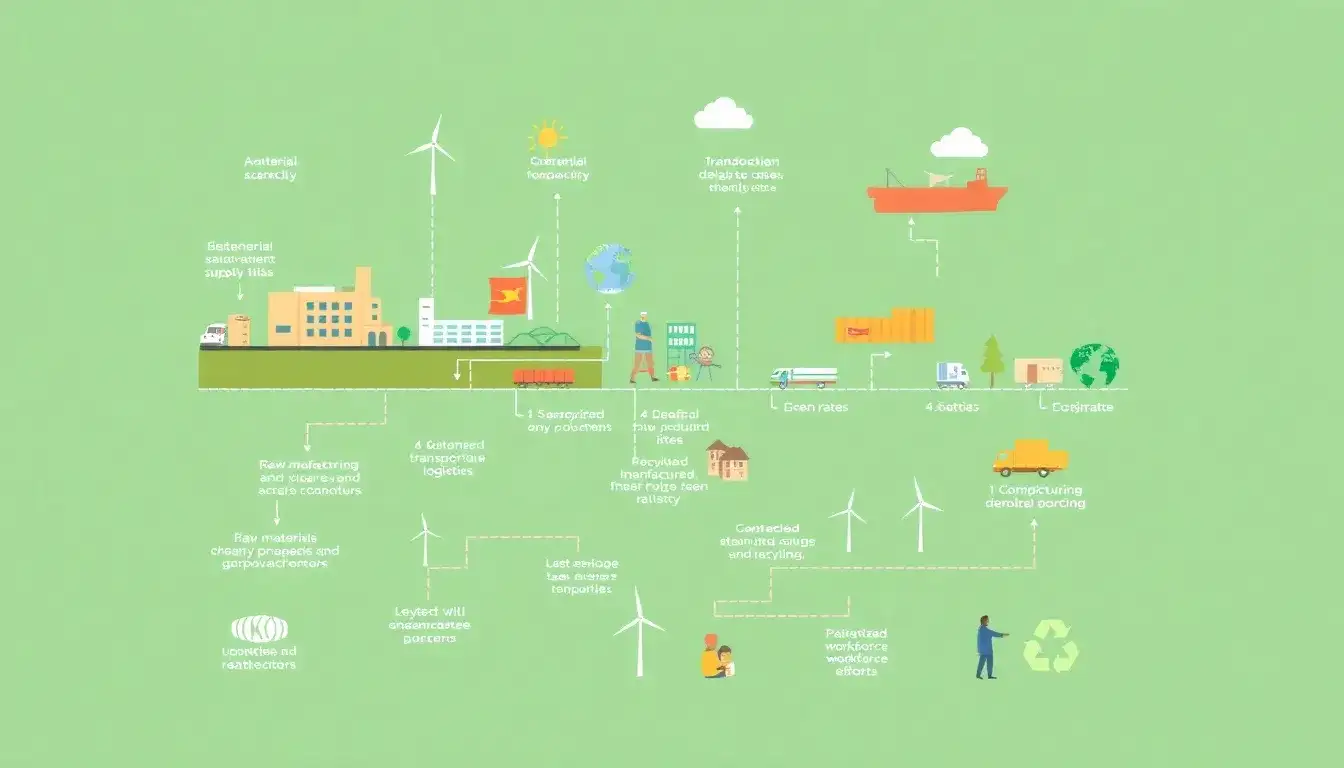
The energy storage supply chain, particularly for lithium-ion batteries used in Battery Energy Storage Systems (BESS), faces several key risks that can be mitigated through strategic approaches. Here are the primary risks and potential mitigation strategies:
Key Risks
- Upstream Supply Chain Issues:
- Resource Scarcity and Geopolitical Uncertainty: The supply of critical minerals like lithium, cobalt, and nickel is vulnerable due to geopolitical tensions and resource scarcity.
- Environmental Concerns: Mining operations often raise environmental concerns, impacting supply chain reliability.
- Forced Labor and Human Rights Abuses:
- A significant portion of the lithium-ion battery supply chain is exposed to forced labor, contravening US and EU laws.
- This issue is exacerbated by opaque supply chains, making it difficult to assess and mitigate these risks.
- Supply Chain Complexity and Dependence on Imports:
- The reliance on imports, particularly from China, introduces complexities and risks in managing supply chain disruptions.
- Environmental and Climate Impacts:
- The production and disposal of energy storage systems can have significant environmental impacts, affecting the sustainability of the supply chain.
Mitigation Strategies
- Diversification of Supply Sources:
- Reducing dependence on a single region by diversifying supply sources can help mitigate geopolitical risks and shortages.
- Development of Domestic Supply Chains:
- Encouraging domestic production of critical materials and components can enhance resilience and reduce reliance on international sources.
- Promotion of Sustainable and Ethical Practices:
- Implementing strict regulations and audits to prevent human rights abuses and ensure sustainable mining practices can improve the ethical standing of the supply chain.
- Investment in Diverse Technologies:
- Supporting the development of multiple energy storage technologies (e.g., flow batteries, CAES) can increase supply chain resilience by reducing dependence on a single technology.
- Policy and Regulatory Frameworks:
- Strengthening legal frameworks and policies to ensure compliance with environmental and human rights standards can help mitigate risks and ensure a sustainable supply chain.
Original article by NenPower, If reposted, please credit the source: https://nenpower.com/blog/what-are-the-key-risks-in-the-energy-storage-supply-chain-and-how-can-they-be-mitigated/

