

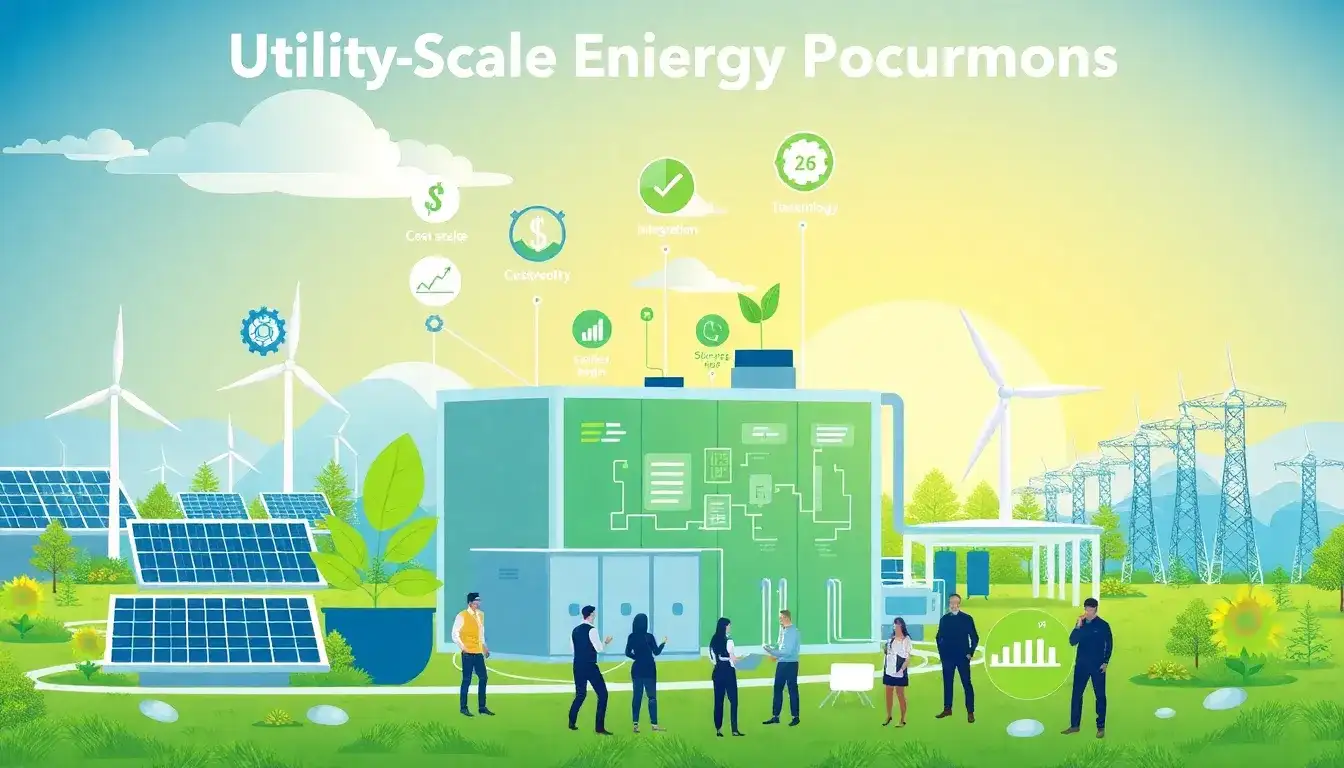
When considering utility-scale energy storage procurements, several key factors need to be addressed:
Key Considerations
- Safety and Operating Requirements: Ensuring minimum safety standards and compliance with operating requirements is crucial. These considerations are vital for energy projects, especially with the integration of new technologies like energy storage.
- Contract Structures: Three primary contract types are commonly used:
- Power Purchase Agreements (PPAs): These often include a fixed monthly capacity payment plus a variable cost per megawatt-hour (MWh) of throughput. They can also be structured as capacity-only or combined renewables-plus-storage projects.
- Engineering, Procurement, and Construction (EPC) Agreements: Useful for optimizing existing sites, such as utility-owned land near substations.
- Build-Transfer Agreements (BTAs): Involve transferring ownership after construction.
- Risk Allocation: Procurement contracts must allocate risks of project development, construction, and performance between parties. Delays in procurement can lead to non-compliance with regulatory mandates or project delivery issues.
- Optimization and Design:
- Design and Modeling for Revenue: It’s essential to work with experienced EPC firms that can optimize energy storage systems, considering advanced technologies and multiple use cases.
- Technology and Vendor Selection: Choosing the right technology and vendors is crucial to ensure optimal system performance and cost-effectiveness.
- Logistical Sourcing and Supply Chain Management: Access to competitive logistics and top-tier technologies can reduce costs and risks in procurement.
- Long-Term Performance and Maintenance: Securing long-term service agreements to ensure asset reliability and performance over its lifespan is vital.
- Value Stacking and Market Integration: Energy storage systems need to be integrated with other grid services, providing benefits like resource adequacy, ancillary services, and grid stability.
- Regulatory and Policy Considerations: Understanding local policies and regulations, such as those influencing procurement targets and cost recovery, is essential for successful deployment.
These considerations help utilities and developers navigate the complexities of utility-scale energy storage projects, ensuring they are economically viable and operationally effective.
Original article by NenPower, If reposted, please credit the source: https://nenpower.com/blog/what-are-the-key-considerations-for-utility-scale-energy-storage-procurements/

