

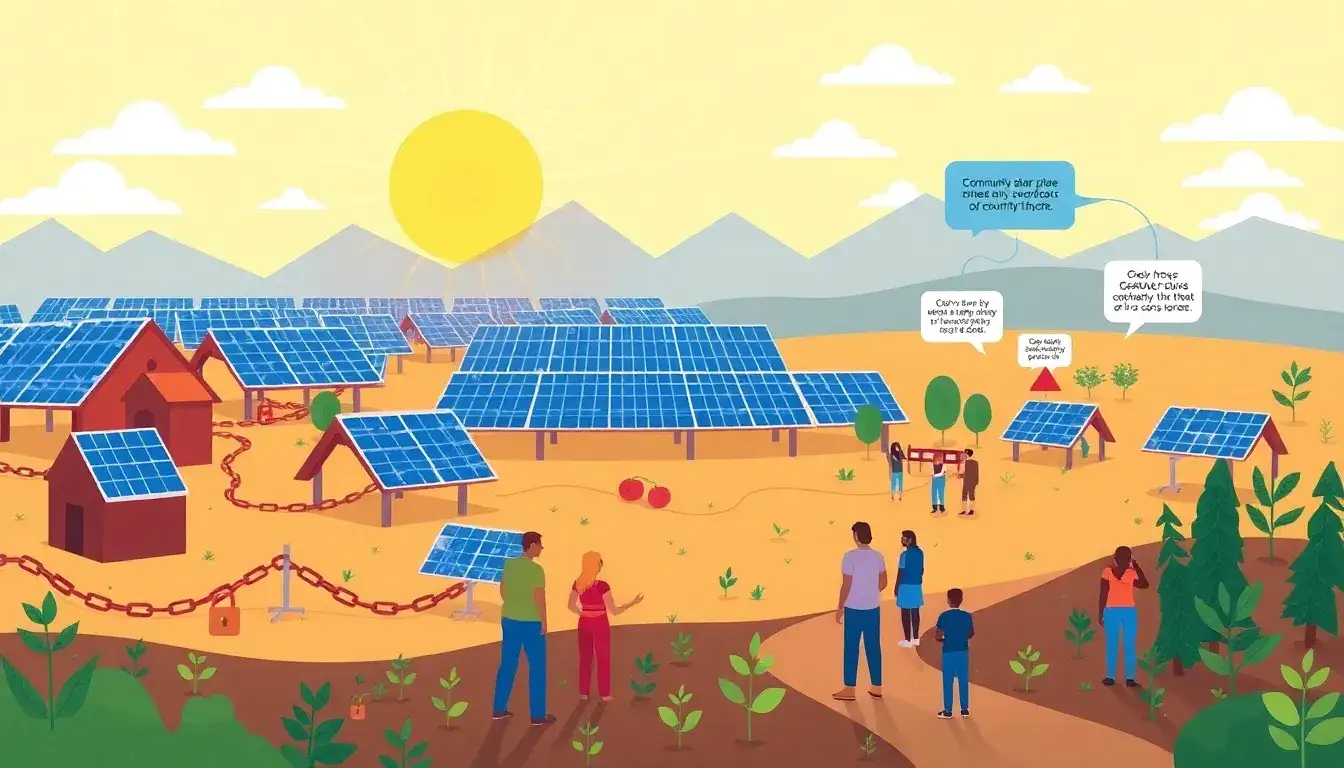
Community solar projects using the nonprofit model face several key challenges that impact their development, financing, management, and overall effectiveness:
Key Challenges for Nonprofit Community Solar Projects
1. Financing Limitations
Nonprofit providers often have limited operating reserves and creditworthiness, making it difficult to secure financing for solar projects outside existing budgets for operations and maintenance. Financing can be particularly challenging because these projects may be relatively small in scale, deterring some investor partners. Additionally, tax incentives such as the federal Business Energy Investment Tax Credit (ITC) are harder for nonprofits to leverage fully, since they typically cannot use tax equity financing structures common in for-profit projects.
2. Split Incentives
In housing or community settings where a nonprofit is the energy provider or landlord, a challenge arises from split incentives. If energy costs are passed to residents (tenants) via rent or utility bills, the benefits of solar installation may not always accrue directly to those who invest or manage the solar project. This disconnect can reduce motivation or financial feasibility for nonprofits to invest in solar.
3. Complexity of Legal and Financial Structures
Developing community solar projects involves complex legal and financial arrangements among multiple stakeholders, including participants/owners, site hosts, utilities, and financing partners. Nonprofits may lack the specialized legal and financial expertise to navigate forming business entities, negotiating contracts, and managing benefit-sharing in these multi-party deals. This complexity often necessitates partnerships with experienced entities or consultants.
4. Utility and Regulatory Barriers
Nonprofits must also contend with utility rules and regulatory frameworks that can limit their ability to develop or operate community solar projects. Not all states require utilities to accommodate community solar projects from non-utility organizations, which can restrict opportunities. Utility allowance structures or restrictive policies can also complicate the integration and distribution of solar benefits in nonprofit settings.
5. Provider Capacity and Operational Challenges
Nonprofits frequently have limited capacity in terms of staffing and technical expertise to manage ongoing project operations, maintenance, and customer engagement. This can lead to challenges in the long-term sustainability and scalability of nonprofit-led community solar projects.
6. Access to Incentives and Tax Benefits
Many solar financing models rely on tax credits and incentives that nonprofits cannot fully utilize due to their tax-exempt status. While some workarounds exist (e.g., partnerships with taxable entities), gaining access to these incentives typically adds complexity and can be a barrier to cost-effective project development.
Overall, these challenges reflect financial constraints, complex stakeholder coordination, regulatory hurdles, and capacity limitations that nonprofits must overcome to successfully develop and sustain community solar projects. Innovative approaches and supportive policies are critical to enabling more nonprofits to participate effectively in community solar.
Original article by NenPower, If reposted, please credit the source: https://nenpower.com/blog/what-are-the-key-challenges-faced-by-community-solar-projects-using-the-nonprofit-model/

