Rural Solar Energy Projects and Job Opportunities
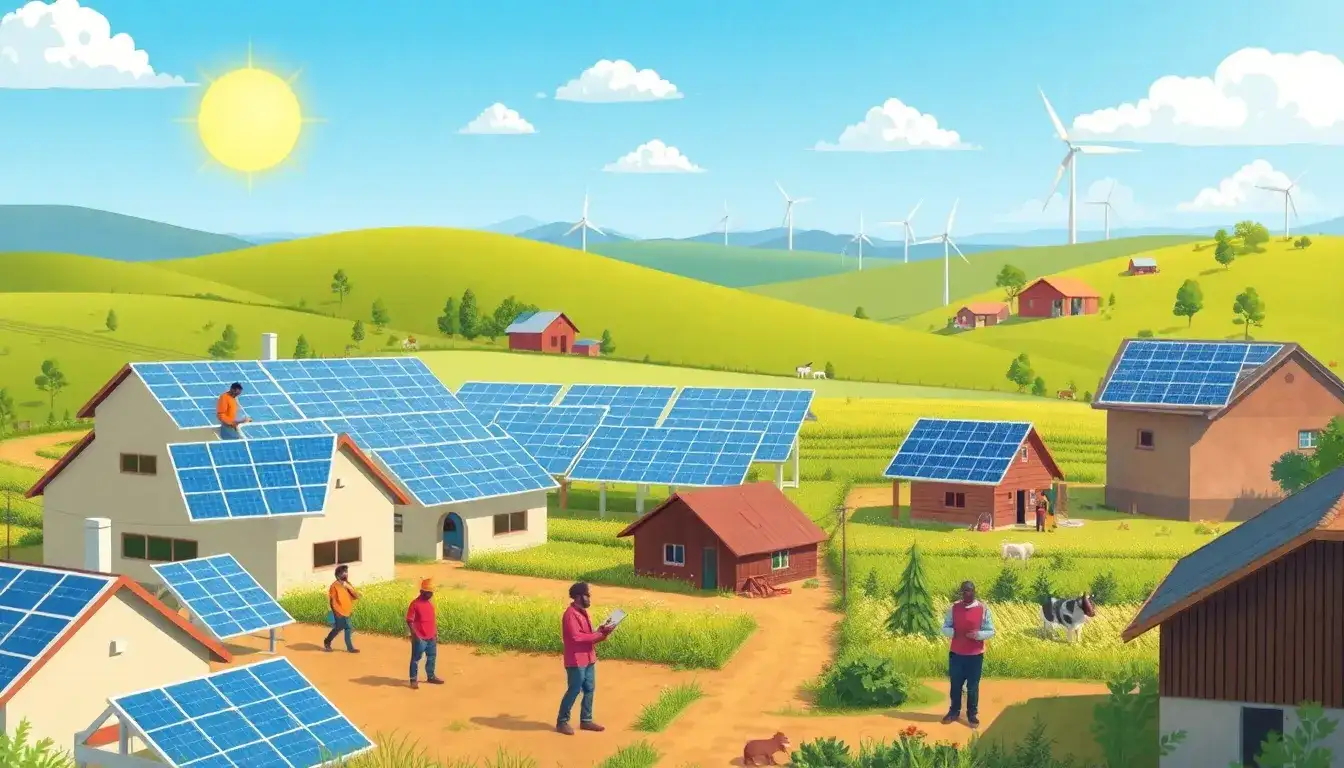
Rural solar energy projects create a variety of job opportunities that significantly benefit local economies. These jobs arise through different phases of solar project development, construction, and ongoing operation, providing both temporary and permanent employment.
Types of Job Creation Opportunities in Rural Solar Projects
1. Construction and Installation Jobs
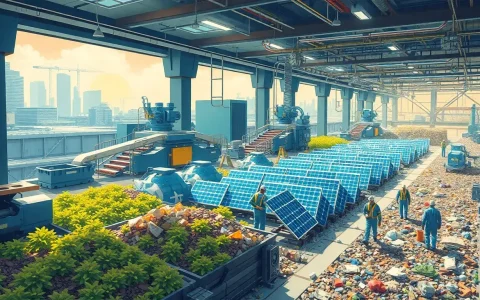
- Solar projects require a large workforce for on-site construction, including the assembly and installation of solar panels and related infrastructure. This phase creates numerous temporary jobs for laborers, electricians, engineers, and equipment operators.
- Residential solar projects, which often involve smaller-scale installations in rural homes, tend to require more workers per megawatt installed than utility-scale projects, boosting local employment in installation, sales, and customer service roles.
2. Manufacturing and Supply Chain Employment
- The supply chain for solar panels, mounting systems, inverters, and related hardware supports jobs in manufacturing, transportation, and distribution, which may indirectly benefit rural communities, especially those near manufacturing hubs or logistics routes.
3. Permanent Operations and Maintenance Jobs
- Once solar farms are operational, permanent employment opportunities arise for site managers, technicians, maintenance workers, and administrative staff to ensure the efficient running of solar facilities. These roles provide stable, long-term employment within rural towns, helping to sustain the local economy beyond the construction phase.
4. Indirect and Induced Economic Effects
- The influx of workers during construction phases boosts the local economy by increasing demand for housing, food services, retail, and other local businesses such as hotels and restaurants.
- Permanently employed individuals living in the area contribute further to economic growth by purchasing goods, enrolling children in schools, and supporting community services, creating a multiplier effect throughout rural communities.
5. Economic Diversification and Community Development
- Renewable energy jobs in rural areas often represent a substantial share of total employment, contributing to economic diversification in regions that may rely heavily on agriculture or resource extraction.
- Some rural counties have clean energy jobs making up more than 10% of total employment, demonstrating the potential for solar projects to revitalize local economies.
Summary Table of Job Types in Rural Solar Energy Projects
| Job Category | Description | Employment Nature | Impact on Rural Economy |
|---|---|---|---|
| Construction & Installation | Building solar farms, residential panel installation | Temporary, project-based | Immediate job creation; boosts local services |
| Manufacturing & Supply Chain | Producing and transporting solar components | Variable | Supports upstream industries |
| Operations & Maintenance | Monitoring, repair, administration of solar plants | Permanent | Long-term stable jobs, community integration |
| Indirect & Induced Jobs | Services supporting workers and local population | Temporary & permanent | Boosts local businesses and economy |
Rural solar energy projects thus provide a broad spectrum of job opportunities that promote economic growth and sustainability in rural America, contributing to a transition toward clean energy while enhancing quality of life in these communities.
References
- Department of Energy notes strong growth in renewable energy jobs, with substantial opportunities in solar.
- Residential solar projects offer high labor intensity, creating significant local employment.
- Renewable energy spurs rural economic development, both directly and indirectly.
Original article by NenPower, If reposted, please credit the source: https://nenpower.com/blog/what-are-the-job-creation-opportunities-in-rural-solar-energy-projects/