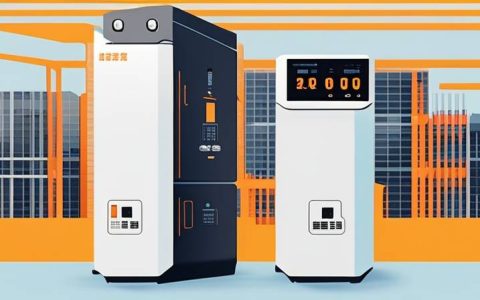
1. INDEPENDENT ENERGY STORAGE DEVICES ENCOMPASS A VARIETY OF TECHNOLOGIES THAT ENABLE USERS TO STORE ENERGY FOR LATER USE, INCLUDING BATTERIES, SUPERCAPACITORS, AND FLYWHEELS. 2. THESE SYSTEMS PROMOTE GREATER ENERGY EFFICIENCY AND STABILITY IN ELECTRICAL GRIDS, HELPING TO INTEGRATE RENEWABLE ENERGY SOURCES. 3. THEY OFFER FLEXIBILITY TO BOTH INDIVIDUAL CONSUMERS AND BUSINESSES BY PROVIDING POWER BACKUP AND STABILIZING SUPPLY. 4. SEVERAL INNOVATIONS IN ENERGY STORAGE TECHNIQUES HAVE BECOME CRUCIAL FOR FUTURE SUSTAINABILITY STRATEGIES.
1. INTRODUCTION TO ENERGY STORAGE TECHNOLOGIES
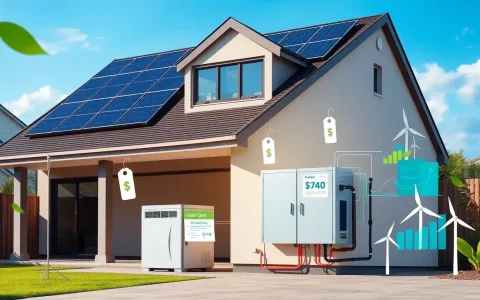
Independent energy storage devices serve as vital components in the modern energy landscape, enabling the effective capture and utilization of electrical energy. These technologies are pivotal in facilitating a seamless transition from conventional energy practices to sustainable solutions. Not only do they allow for the storage of surplus energy generated during periods of high production—such as from solar panels or wind turbines—but they also ensure this energy can be deployed during times of scarcity.
The importance of these devices is heightened by the rapid expansion of renewable energy sources. As the energy market shifts towards more decentralized and diversified forms of generation, the role of independent energy storage devices becomes increasingly significant. Their capacity to provide stability to energy grids transforms the way energy is consumed and supplied.
2. TYPES OF INDEPENDENT ENERGY STORAGE DEVICES
Independent energy storage is categorized into multiple technologies, each with unique characteristics, advantages, and applications. The most notable types include batteries, supercapacitors, and flywheels. Understanding these different technologies and their applications can help clarify how they contribute to energy efficiency and reliability.
2.1. BATTERIES
Among the most prevalent forms of independent energy storage are batteries, particularly lithium-ion variations. They are widely adopted due to their high energy density, efficiency, and decreasing costs. The basic operation involves the conversion of electrical energy into chemical energy during charging. When discharging, the reverse reaction occurs, providing electrical energy as required.
Lithium-ion batteries have become the go-to solution for many applications, ranging from consumer electronics to large-scale grid storage. Their performance characteristics, including long cycle life and rapid discharge capabilities, enable them to meet both immediate and long-term energy demands effectively. As technological advancements continue, newer battery chemistries, such as solid-state batteries, promise even greater capacities and safety profiles.
2.2. SUPERCAPACITORS
Supercapacitors, or ultracapacitors, offer an alternative approach to energy storage. Unlike batteries, they store energy electrostatically and can discharge energy much faster, making them well-suited for applications requiring quick bursts of power. An essential feature of supercapacitors is their rolling charge and discharge cycles, providing immense longevity and high cycling efficiencies.
The efficiency and speed of supercapacitors make them ideal for industries like automotive applications, where energy recuperation during braking is vital. Their quick charging capabilities allow them to work in seamless conjunction with battery systems, providing a hybrid model that can enhance overall energy performance.
3. IMPORTANCE OF INDEPENDENT ENERGY STORAGE
Independent energy storage devices play a crucial role in enhancing the resilience of power grids, particularly as they relate to the increasing implementation of renewable energy sources. Their capabilities extend beyond merely storing energy; they have substantial implications for energy management strategies and grid reliability.
3.1. GRID STABILITY AND RELIABILITY
Energy storage systems are essential for maintaining grid stability amid fluctuating energy supply and demand. By absorbing excess energy production during periods of low demand and supplying energy when production is insufficient, these systems effectively smooth out voltage fluctuations and handle peak loads. This role is particularly important with variable renewable energy sources like solar and wind, which can be unpredictable.
Furthermore, energy storage devices fortify grid reliability, providing backup power during outages. This is of paramount importance for critical infrastructure, where sustained power supply is indispensable. In remote areas, independent energy storage solutions guarantee that households and facilities are less dependent on the conventional grid system.
3.2. ENHANCING ENERGY EFFICIENCY
The presence of energy storage devices also contributes significantly to overall energy efficiency within ecosystems. By allowing users to store energy generated during off-peak rates and utilize it during peak hours, they facilitate a more balanced consumption model. This not only lowers energy costs but also lessens the strain on grid resources.
Additionally, interconnecting various forms of energy storage can create integrated systems that optimize energy use across different sectors. For example, employing a combination of batteries with supercapacitors can cater to diverse operational needs, achieving higher efficiency levels by selecting the right storage technology for each application.
4. FUTURE OF INDEPENDENT ENERGY STORAGE
As technology advances, the future of independent energy storage is expected to bring about significant changes in energy dispatching, management, and consumption. Continuous research into innovative materials and methodologies will pave the way for safer, more efficient, and cost-effective energy storage solutions.
4.1. EMERGING TECHNOLOGIES
The scientific community is actively exploring various innovative technologies to augment existing energy storage systems. For instance, advancements in flow batteries promise scalability for large-scale applications, providing sustained energy while improving ease of management. Similarly, the development of next-generation solid-state batteries is poised to revolutionize the energy storage sector by offering greater energy density and enhanced safety features.
Materials science plays a crucial role in these innovations, focusing on developing more efficient electrolytes, electrodes, and lightweight structures. The continuous evolution of technology translates into significant reductions in manufacturing costs and improvements in energy performance.
4.2. INTEGRATION INTO SMART GRIDS
The integration of independent energy storage into smart grids marks a significant shift toward a more decentralized energy future. Smart grids utilize digital communications technology to manage electricity demand efficiently and optimize resources. Energy storage devices enhance this capability by providing necessary resources during demand peaks, thus creating a more resilient and responsive energy network.
Consumer engagement in energy management will also play a crucial role in this future. With the rise of smart meters and applications that allow consumers to monitor and manage their energy use in real-time, individuals will increasingly leverage energy storage systems effectively. This proactive engagement leads to a more efficient grid operation, ultimately benefiting all users.
5. COMMON INQUIRIES ABOUT INDEPENDENT ENERGY STORAGE
WHAT ARE THE BENEFITS OF USING INDEPENDENT ENERGY STORAGE?
Independent energy storage offers numerous advantages, including enhanced energy reliability, reduced costs, and support for renewable energy integration. By storing excess energy produced during low-demand periods, users can utilize this energy later, protecting themselves from rising prices during peak hours. Additionally, these devices improve utility grid stability, allowing for the consistent delivery of power even amidst demand fluctuations. This mitigates issues related to blackouts and brownouts, ensuring uninterrupted service. Moreover, businesses and homeowners can experience substantial reductions in their electricity bills through effective energy management strategies enabled by storage technologies. These benefits collectively contribute to a more sustainable and resilient energy framework.
HOW DOES INDEPENDENT ENERGY STORAGE SUPPORT RENEWABLE ENERGY?
Independent energy storage systems significantly bolster the utilization of renewable energy sources by providing essential capabilities for energy management. As renewable sources like solar and wind are often variable in nature, storage devices assist in absorbing excess energy generated during peak production times. This stored energy is then available for use when production dips or demand surges, allowing for continuous electricity supply. Consequently, energy storage systems facilitate a smoother transition to renewable technologies while promoting the reliability of electrical grids. Furthermore, this synergy maximizes the potential of renewable sources, aiding in significant reductions in greenhouse gas emissions and aligning with global sustainability goals.
WHAT FACTORS SHOULD BE CONSIDERED WHEN CHOOSING ENERGY STORAGE SOLUTIONS?
Selecting the most effective energy storage system requires careful consideration of various factors. Key elements include capacity requirements, discharge rates, and cycle life. Users should assess their specific energy needs, evaluating both average consumption and peak demands. Additionally, the discharge rate is crucial; systems should be capable of delivering energy quickly when required. Cycle life determines the longevity and overall efficiency of the system, with longer lifespans typically resulting in better long-term value. Other considerations encompass installation and maintenance costs, space availability, and technological compatibility with existing systems. By examining these factors, consumers can identify the optimal energy storage solution that aligns with their unique requirements and sustainability objectives.
Independent energy storage devices serve as a cornerstone of modern energy systems, bridging the gap between intermittent power generation and reliable consumption. These technologies are not merely an option; they are essential for fostering a sustainable energy future. The integration of varied storage solutions enables effective energy management, optimizing performance while supporting renewable resources. As global energy demands escalate and environmental considerations intensify, these devices are poised to play an increasingly pivotal role in power systems worldwide. Developing enhanced storage capabilities not only reflects an innovative approach to tackling energy challenges but also encourages a shift towards greater sustainability. Thus, investment and advancements in independent energy storage could lead to strategic breakthroughs, bolstering grid stability and driving the transformation toward environmentally responsible energy consumption across industries. By prioritizing these technologies, societies can achieve energy independence while mitigating their carbon footprints, ultimately advancing toward a cleaner and greener planet for generations to come.
Original article by NenPower, If reposted, please credit the source: https://nenpower.com/blog/what-are-the-independent-energy-storage-devices/