

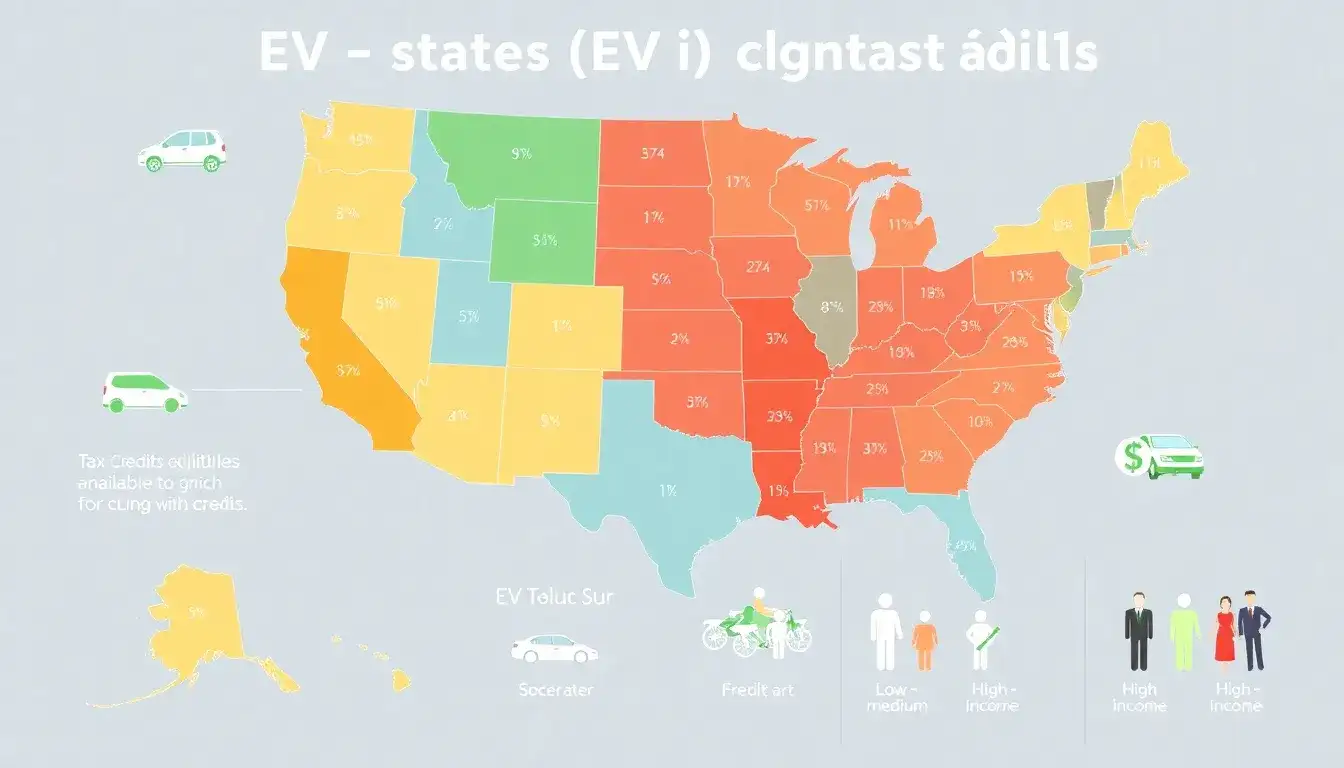
The income-level variations in EV tax credits across states in the U.S. are primarily determined at the federal level and do not vary by state. Here are the key details:
Federal Income Limits for EV Tax Credits
- New Electric Vehicles: The eligibility for the federal EV tax credit is based on the buyer’s modified adjusted gross income (MAGI). The limits are as follows:
- Single Filers: The tax credit is available if MAGI is below $150,000.
- Married Couples Filing Jointly: Eligible if MAGI is below $300,000.
- Heads of Households: Eligible if MAGI is below $225,000.
- Used Electric Vehicles: The income limits are lower, with single filers eligible if MAGI is below $75,000, heads of household below $112,500, and married couples filing jointly below $150,000.
State Incentives
While there are no state-specific variations in federal income limits for EV tax credits, some states offer additional incentives for EV purchases. These can include rebates, exemptions from sales tax, or other forms of financial support, which may vary based on state-specific criteria but generally do not incorporate different income limits specifically for their EV incentives.
Summary of Key Points
- Federal Tax Credits: The U.S. federal government offers tax credits for EV purchases, with income eligibility determined based on MAGI.
- No State-Specific Income Limits: There are no state-specific variations in income limits for federal EV tax credits.
- Additional State Incentives: Some states offer additional EV incentives, which may vary in nature and eligibility criteria.
For specific state incentives, it is advisable to check with each state’s department of motor vehicles or relevant government agency for details.
Original article by NenPower, If reposted, please credit the source: https://nenpower.com/blog/what-are-the-income-level-variations-in-ev-tax-credits-across-states/

