

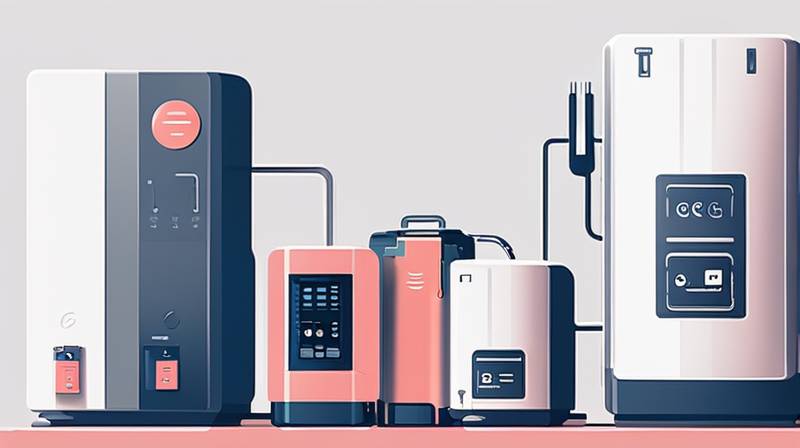
Household energy storage power supplies are systems designed to capture and store energy for residential use, particularly derived from renewable sources like solar panels. 1. These systems enhance energy efficiency by storing excess power generated during peak production times for later use. 2. They offer significant economic benefits by reducing reliance on the grid, thereby lowering electricity costs. 3. Such technologies contribute to energy security, allowing households to maintain power during outages. 4. The advent of advanced battery systems and innovative storage technologies has made these solutions increasingly accessible and efficient, paving the way for a more sustainable energy future.
1. UNDERSTANDING ENERGY STORAGE SYSTEMS
Energy storage systems have gained prominence as a crucial component in modern households. The ability to harness and store energy presents significant advantages, primarily in relation to renewable energy sources. Many homeowners are now exploring storage options that allow for a flexible energy consumption model, resulting in cost efficiencies and reduced environmental impact. Historically, energy was consumed in real-time, meaning users relied heavily on the grid or direct generation sources for their energy needs. This model, however, is being challenged by innovations in storage technology, particularly concerning renewable energy utilization.
The emergence of renewable technologies, such as solar panels, has revolutionized the energy landscape. Householders can now produce energy during the day, when sunlight is abundant, but without a storage solution, this energy would go to waste during non-productive hours. Energy storage systems bridge this gap, storing surplus energy generated during peak sunlight for use during periods of increased demand, or when solar production is reduced, such as nighttime. As a result, homeowners enjoy greater autonomy over their energy resources.
2. TYPES OF ENERGY STORAGE TECHNOLOGIES
A plethora of technologies exist when it comes to storing energy; each has its unique characteristics and applications within residential environments. The two most commonly recognized types include battery storage systems and thermal storage systems. Battery storage has garnered attention, primarily due to advancements in lithium-ion technology, which now offers high capacities and longer lifespans.
Battery systems are capable of integrating with renewable generation systems and other electricity sources, providing versatility in energy management. Lithium-ion batteries, for instance, are widely used for residential solar energy storage because of their ability to charge and discharge rapidly, ensuring that stored energy can be utilized immediately when needed. On the other hand, thermal storage systems utilize methods such as ice storage or water heating to preserve energy in the form of heat. This approach is particularly effective in managing energy costs, especially for households utilizing air conditioning, as it allows users to generate and store refrigerated air during cooler parts of the day.
3. INTEGRATION WITH RENEWABLE ENERGY SOURCES
When energy storage systems are integrated with renewable generation sources, such as wind and solar, they create a self-sufficient energy ecosystem. For instance, solar energy systems paired with energy storage allow households to capitalize on peak solar production while reducing reliance on the grid. This integration leads to enhanced energy resilience, as households can store sufficient energy for periods of low production or grid failures.
Moreover, energy storage systems can provide load management capabilities. With advanced energy management systems, households can automatically prioritize energy use based on production and consumption patterns. This feature not only ensures that critical loads are maintained during outages but also minimizes energy expenses by optimizing usage based on time-of-use pricing models. Ultimately, the holistic approach of combining renewable energy generation and storage supports sustainability, offering a pathway toward reduced carbon footprints and environmental impact.
4. ECONOMIC IMPACT AND INCENTIVES
From an economic standpoint, household energy storage power supplies represent not just a cost but a potential investment. The primary financial incentive for investing in these systems is the long-term savings derived from decreased utility bills. By storing energy during off-peak hours when electricity rates tend to be lower and using it during peak hours when rates are higher, homeowners can experience substantial savings over time. Furthermore, various energy incentives and rebates offered by governments or local utilities can significantly dampen the upfront costs associated with purchasing and installing these systems.
In some regions, homeowners are seeing greater economic benefits through participation in demand-response programs. These programs incentivize consumers to reduce or shift their electricity usage during peak periods, thereby stabilizing the overall energy grid. Additionally, as energy policies evolve towards greater sustainability, supply chain dynamics are shifting, leading to an increase in affordable energy storage options. This shifting market landscape creates conducive conditions for households contemplating energy storage solutions, assuring them that they are making both a wise financial decision and a commitment to a sustainable future.
5. BENEFITS OF ENERGY STORAGE SYSTEMS
Transitioning to energy storage systems yields multifaceted benefits for households. Enhancing energy independence is among the primary advantages, as households can rely more on self-generated power and less on the grid. This move not only empowers homeowners but contributes to a more decentralized energy system. When combined with renewable energy generation, these systems facilitate a robust and reliable energy supply, particularly in areas prone to outages or unreliable service.
Environmental benefits also play a crucial role in the excitement surrounding energy storage. By utilizing stored energy, households can minimize their carbon footprints and contribute to a cleaner environment. As renewable energy sources become more integrated into everyday life, transitioning to energy storage systems can play an essential role in reducing greenhouse gas emissions from traditional fossil fuel use.
6. CHALLENGES AND LIMITATIONS
Despite the numerous advantages associated with household energy storage power supplies, several challenges persist. A significant hurdle is the initial investment, as top-tier systems can be cost-prohibitive for many. While prices are decreasing, the financial impact of purchasing and installing these technologies may deter potential users. This situation may be exacerbated by fluctuations in local incentive programs and governmental support.
Additionally, technology limitations regarding storage capacity and efficiency can also represent significant barriers. Energy storage systems must be comprehensively evaluated to ensure they meet the specific energy demands of each household, which requires careful consideration of system specifications and user energy profiles. If not adequately matched, users may find themselves under-equipped for their energy needs, leading to dissatisfaction and unforeseen expenses.
7. FUTURE OF HOUSEHOLD ENERGY STORAGE
Looking forward, the trajectory of household energy storage systems is one of growth and innovation. With ongoing advancements in technology, expectations are high that storage systems will continue to become more efficient and cost-effective. Research and development efforts are focusing on expanding storage capacities and improving lifespan, which will bolster homeowner confidence in these systems.
Moreover, as smart home technologies evolve, energy management systems linked with storage solutions will enable households to optimize their energy consumption further. Integrating artificial intelligence and big data analytics could result in significant improvements, allowing for predictive energy management based on usage patterns. This integration ensures that households can derive maximum benefit from energy generation and storage today and in the years to come.
FREQUENTLY ASKED QUESTIONS
WHAT ARE THE MAIN COMPONENTS OF A HOUSEHOLD ENERGY STORAGE SYSTEM?
Household energy storage systems typically consist of several key components that synergize to store and manage energy more effectively. The primary component is the battery or batteries, which can range from lithium-ion to lead-acid types, depending on needs and budgets. The battery configuration determines the system’s capacity and performance characteristics. Additionally, an inverter is essential for converting the stored direct current (DC) energy into alternating current (AC) energy, which is required for most household appliances.
In conjunction with these components, a smart energy management system plays a vital role in optimizing energy use and storage. This technological component not only monitors energy production and consumption but also facilitates communication with renewable energy sources, such as solar panels. Many advanced systems also integrate user-friendly interfaces, enabling homeowners to track performance metrics and make informed decisions regarding their energy management strategy.
HOW DO HOUSEHOLD ENERGY STORAGE SYSTEMS IMPACT THE ENVIRONMENT?
The environmental impact of household energy storage systems is overwhelmingly positive. When integrated with renewable energy sources, such as solar or wind, these systems enhance overall efficiency, allowing households to utilize clean energy whenever possible. By minimizing reliance on the conventional electricity grid, households contribute to a reduction in greenhouse gas emissions often associated with fossil fuel consumption.
The shift towards energy independence combined with the use of storage systems fosters a greater interest in sustainability among homeowners. As more households adopt energy storage solutions, there will be a collective movement toward reducing carbon footprints on a larger scale. Furthermore, advancing technology will continue to bolster these environmental benefits by further improving the efficiency of storage systems, thereby making them a more appealing option for promoting a clean-energy future.
WHAT FACTORS SHOULD BE CONSIDERED WHEN CHOOSING A HOUSEHOLD ENERGY STORAGE SYSTEM?
Selecting an appropriate household energy storage system necessitates a careful assessment of various factors, ensuring that the system aligns well with the household’s energy needs. First and foremost, homeowners should evaluate their energy consumption patterns, including peak usage times and total monthly electricity consumption. Understanding these patterns will help determine the required storage capacity and system specifications.
Additionally, potential users must weigh the financial aspects, including the initial investment and possible returns from incentives, as well as long-term energy savings. Lastly, compatibility with existing renewable energy sources is a critical consideration. Whether integrating with solar panels or other systems, the energy storage solution must be able to efficiently manage and store the power generated.
Household energy storage power supplies represent a significant leap toward a sustainable energy future, transforming how individuals and families consume energy. The evolution of these systems underscores the demand for cleaner, more self-reliant energy solutions. As society moves away from reliance on fossil fuels, these systems empower households to generate, store, and manage energy-generated resources with unprecedented versatility and efficiency. The ongoing innovations within the industry further bolster this transition, presenting an exciting avenue for energy independence and security. Consumers benefit from real-time access to renewable energy while minimizing costs associated with traditional grid reliance. As these technologies become increasingly integrated into smart homes, users can expect enhanced energy management that promises not just convenience, but also considerable environmental benefits. Beyond just economic advantages, energy storage systems play a crucial role in fostering a culture of sustainability. As these technologies continue to evolve, adapting to individual household needs and preferences, they will become an essential element in creating resilient energy infrastructures that are both environmentally friendly and economically sound. The future looks promising for household energy storage power supplies, heralding a new era of energy independence, cost savings, and environmental stewardship.
Original article by NenPower, If reposted, please credit the source: https://nenpower.com/blog/what-are-the-household-energy-storage-power-supplies/

