

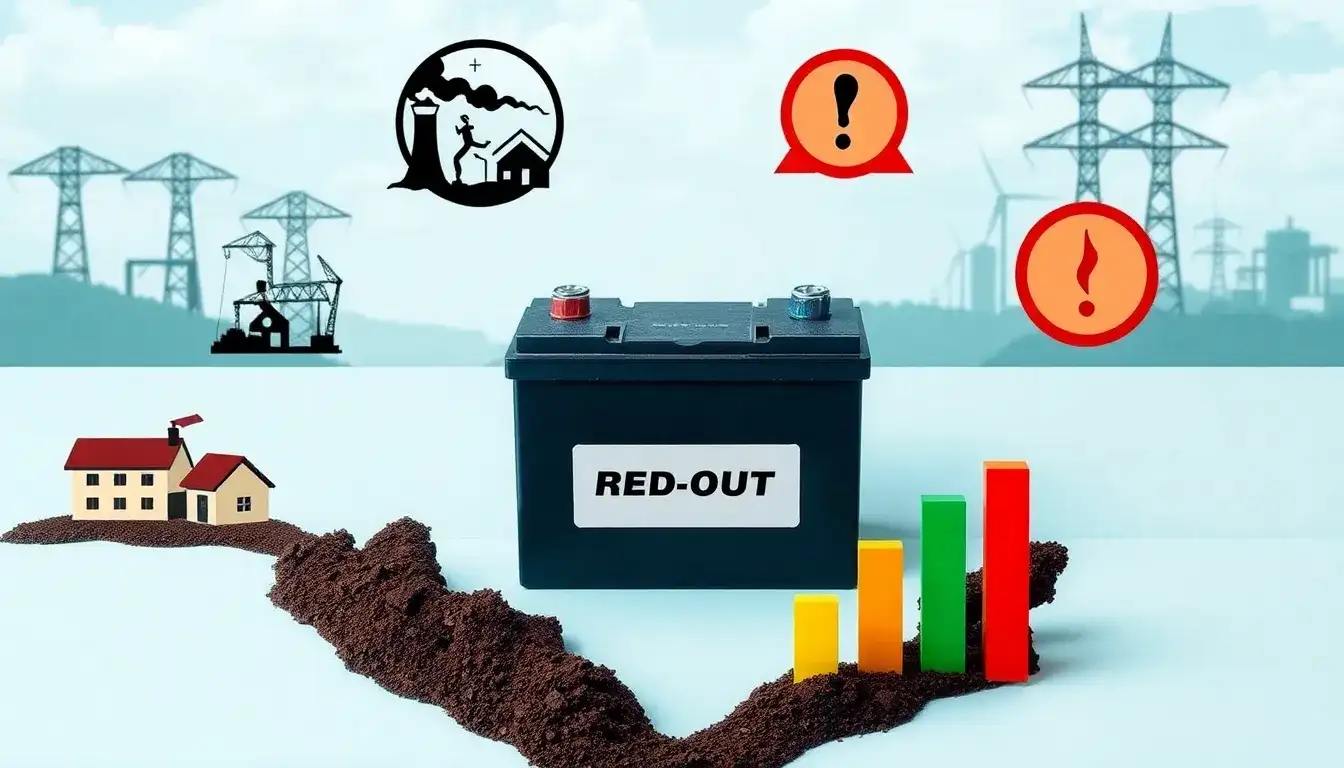
Hidden Costs of Lead-Acid Batteries
-
Efficiency Costs
- Shorter Life Cycle: Lead-acid batteries typically last 300 to 500 charge cycles, necessitating more replacements compared to lithium-ion batteries, which last 3,000 to 5,000 cycles.
- Limited Discharge Depth: Lead-acid batteries can only be safely discharged up to 50%, while lithium-ion batteries can be discharged up to 90%.
- Charging Time and Productivity Loss: Lead-acid batteries require 6–8 hours to charge and an additional 8 hours for cool-down, leading to significant downtime and lost productivity.
-
Labor Costs
- Regular Maintenance: Lead-acid batteries require regular watering, cleaning, and equalization, which add up to significant labor costs.
- Ventilation Needs: They need dedicated, ventilated spaces for charging due to harmful gas emissions, increasing infrastructure costs.
-
Environmental Costs
- Toxic Materials: Lead-acid batteries contain toxic metals, contributing to environmental damage upon disposal.
- Higher CO2 Emissions: Their production generates more CO2 emissions compared to lithium-ion batteries.
-
Infrastructure Costs
- Dedicated Charging Areas: The need for ventilated charging spaces can occupy valuable warehouse space that could be used for other purposes.
- Water Demineralization: The water used for topping up lead-acid batteries requires demineralization, adding another expense.
-
Safety Concerns
- Health Hazards: Handling and maintenance pose risks due to toxic fumes and heavy lifting, necessitating specialized safety training.
Overall, while lead-acid batteries may appear cheaper initially, their long-term costs due to maintenance, replacements, and inefficiencies can make lithium-ion batteries a more cost-effective choice over time.
Original article by NenPower, If reposted, please credit the source: https://nenpower.com/blog/what-are-the-hidden-costs-associated-with-lead-acid-batteries/

