

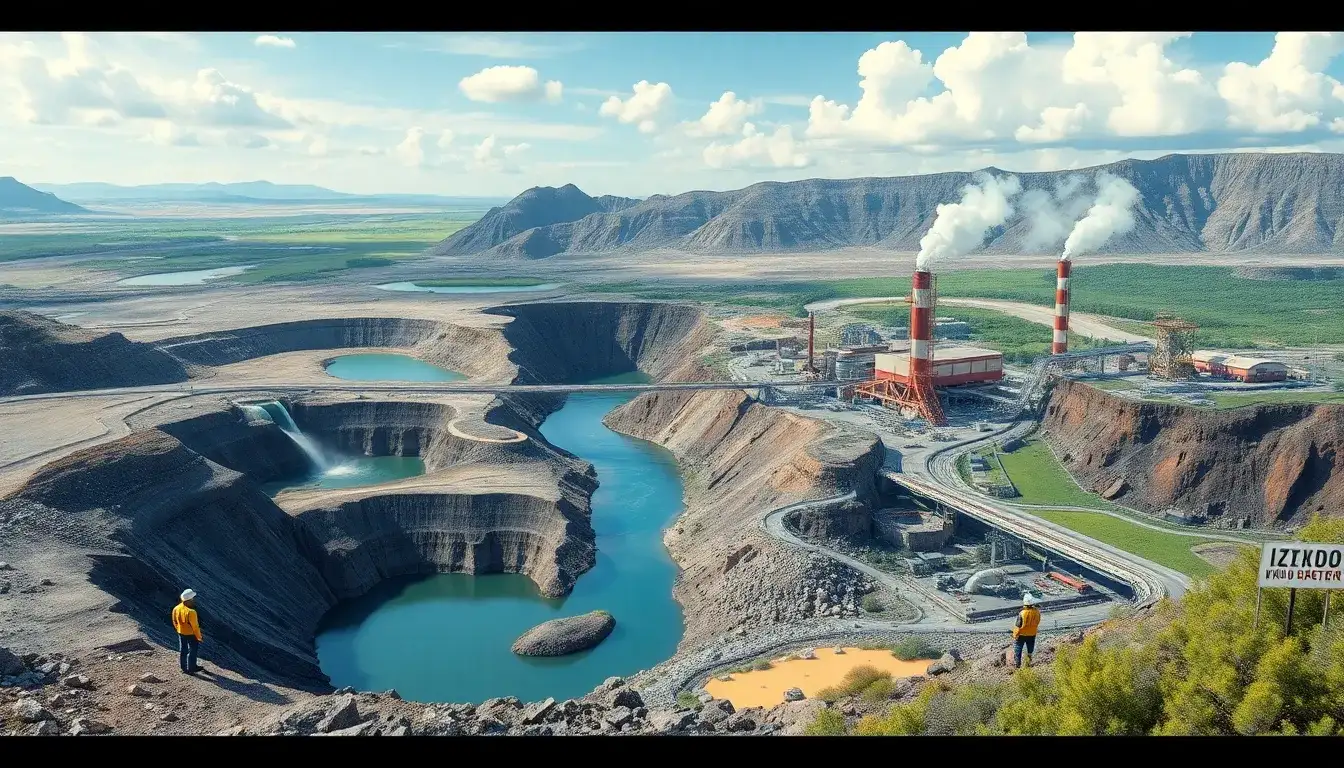
The extraction and processing of lithium pose several health risks both to workers directly involved in the processes and to surrounding communities. Here are some of the key risks:
Occupational Health Risks
- Respiratory Issues: Inhalation of lithium dust can cause respiratory irritation, coughing, and more severe conditions like chemical pneumonitis and pulmonary edema.
- Skin and Eye Irritation: Direct contact with lithium can lead to severe skin and eye irritation, including burns.
- Systemic Health Effects: Higher exposures may result in gastrointestinal symptoms (nausea, vomiting), neurological effects (headache, muscle weakness, confusion), and cardiac issues.
Environmental Health Risks
- Elevated Lithium in Drinking Water: Lithium mining can lead to increased lithium levels in drinking water, potentially disrupting calcium homeostasis and affecting maternal and fetal bone health during pregnancy.
- Water Depletion and Pollution: The extraction process, particularly in brine and open-pit mining, can deplete water resources and lead to contamination, affecting local ecosystems and communities.
Social and Ecological Impacts
- Indigenous Rights and Environmental Destruction: Lithium mining often occurs near Indigenous lands, raising concerns about lack of consent and environmental destruction.
- Air Pollution: Chemicals used in extraction can release harmful substances into the air, contributing to pollution and posing health risks.
Overall, while lithium extraction supports the development of renewable energy technologies, it requires careful management to mitigate its health and environmental impacts.
Original article by NenPower, If reposted, please credit the source: https://nenpower.com/blog/what-are-the-health-risks-associated-with-the-extraction-and-processing-of-lithium/

