

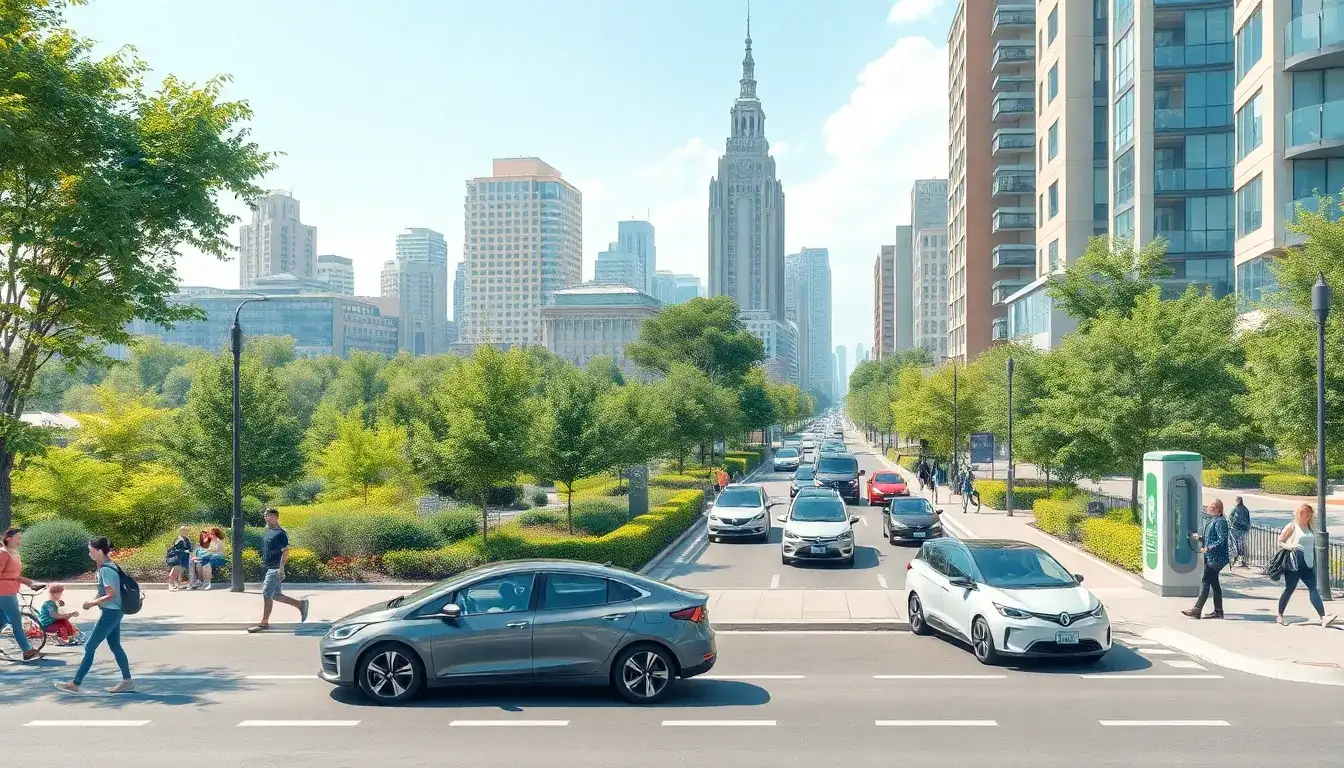
Health Benefits of EVs in Urban Areas
Reduced Air Pollution
- Zero Tailpipe Emissions: EVs emit no pollutants directly from their tailpipes, unlike conventional vehicles that produce harmful emissions like particulate matter, nitrogen oxides, and volatile organic compounds.
- Reduced Respiratory Illnesses: Improved air quality due to EV adoption can lead to fewer cases of respiratory illnesses and asthma attacks, as these vehicles do not emit pollutants that irritate the respiratory system.
- Cardiovascular Health: Reduced air pollution exposure can also decrease the risk of cardiovascular diseases, contributing to overall heart health.
Public Health Impacts
- Lower Incidence of Health Conditions: By reducing air pollution, EVs can decrease the incidence of health conditions linked to poor air quality, thereby reducing the burden on healthcare systems.
- Spatial Variability: The benefits of EV adoption show spatial heterogeneity, meaning different urban areas may experience varying levels of health improvements based on factors like existing air quality conditions and population density.
Environmental Justice
EVs can particularly benefit communities overburdened by pollution, often located in urban areas. These communities, which are predominantly communities of color and low-income neighborhoods, experience disproportionate health impacts from pollution, and EV adoption can help mitigate these disparities.
In summary, the widespread adoption of EVs in urban areas can significantly enhance public health by reducing air pollution and its associated health risks, making these environments healthier for residents.
Original article by NenPower, If reposted, please credit the source: https://nenpower.com/blog/what-are-the-health-benefits-of-evs-in-urban-areas/

