

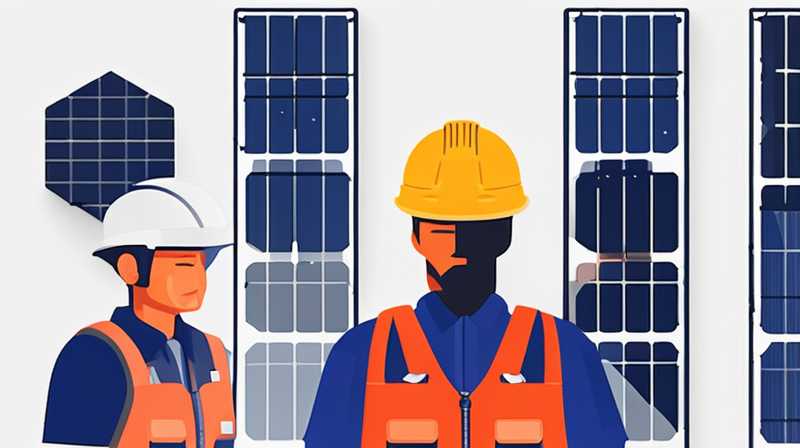
What are the hazards of solar panel workers?
1. Exposure to hazardous materials, 2. Electrical hazards, 3. Working at heights, 4. Improper ergonomics.
Exposure to hazardous materials involves various substances utilized in solar panel production and installation, such as silicon dust and cadmium telluride, which can pose significant health risks if inhaled or ingested. Prolonged exposure may lead to respiratory issues, skin irritations, or even more severe long-term health problems. Proper personal protective equipment (PPE), including masks and gloves, is essential to mitigate these risks. The implementation of safety protocols during the handling of such materials can greatly minimize adverse health effects on workers.
Electrical hazards constitute another critical concern. Given that solar panels convert sunlight into electricity, the risk of electric shock or electrocution is heightened during installation and maintenance. Adequate training in electrical safety and adherence to protocols can reduce the likelihood of accidents leading to severe injuries or fatalities.
Working at heights is inherently dangerous, especially during solar panel installation on rooftops or elevated structures. Falls are a leading cause of injury in this field; hence, fall protection measures, such as harnesses and guardrails, are crucial. Comprehensive training in safe working practices at heights can greatly enhance worker safety.
Improper ergonomics during installation work can lead to musculoskeletal injuries due to repetitive movements or awkward positions. Awareness of ergonomic practices and the importance of taking breaks can process injuries over time and enhance overall productivity.
1. EXPOSURE TO HAZARDOUS MATERIALS
In the realm of solar energy, the materials utilized in the creation and installation of solar panels can harbor inherent risks. Solar cells often contain various elements, including silicon, gallium arsenide, and cadmium. Among these, cadmium poses a significant hazard due to its toxicity. When solar panels are manufactured or disposed of improperly, cadmium can leach into the environment, leading to serious health consequences for workers who may be exposed. Inhalation of cadmium dust during the manufacturing process can result in long-term respiratory issues and, in extreme cases, cadmium poisoning, which primarily affects kidney function.
The production process for solar panels can also generate fine dust particles, particularly silicon dust. Exposure to this form of dust can cause respiratory conditions, including silicosis, which is a lung disease caused by inhaling fine silica dust over long periods. This aspect highlights the critical necessity of using appropriate PPE and maintaining a clean, well-ventilated workspace. Regulations mandating the use of respirators, protective clothing, and regular health monitoring can serve as effective preventative measures. High-quality training programs that emphasize the potential dangers of handling hazardous materials can significantly improve the safety of solar workers.
2. ELECTRICAL HAZARDS
The conversion of sunlight into usable electricity is an intricate process, and it presents various electrical hazards to solar panel workers. The primary concern revolves around the risk of electrical shock during the installation and maintenance of solar energy systems. Even when panels are not producing electricity, residual voltage can still be present, posing a risk to untrained individuals. Workers must be educated on the importance of de-energizing circuits and conducting appropriate safety checks before commencing work.
Moreover, faulty wiring or poor connections can lead to arcing, which creates a potential fire hazard. Installation sites must be routinely inspected for compliance with electrical codes and standards that govern solar panel setups. Moreover, the incorporation of quality materials and components is paramount in reducing the risk of electrical failures. Workers should be trained to recognize and rectify potential hazards before they escalate.
When discussing electrical hazards, it’s also essential to consider the impact of weather conditions. Wet or damp environments significantly increase the risk of electric shock. Effective measures such as weatherproof equipment, surge protectors, and strict adherence to safety protocols during inclement weather can preserve worker safety.
3. WORKING AT HEIGHTS
The installation of solar panels frequently involves working at significant heights, which carries an inherent risk of falls. Falls from height remain one of the leading causes of serious injuries and fatalities in construction-related sectors, including solar energy setups. The requirement for elevated work platforms, roofs, or scaffolding further complicates these risks. Awareness of the dangers associated with working at heights is essential for solar panel workers who must navigate precarious locations to install or maintain solar arrays.
To mitigate fall risks, the implementation of robust safety measures is essential. This includes the use of harnesses, lanyards, and guardrails. Workers should undergo comprehensive training on proper ladder and scaffold usage to ensure they understand the importance of stability and secure footing. Areas where installation occurs must be carefully assessed for potential dangers, such as loose roofing materials or unstable structures.
Additionally, it is vital for workers to possess appropriate personal protective equipment (PPE) that meets industry standards. Regular audits and safety drills can ensure that all team members are familiar with safety measures and protocols. This proactive approach can decrease the likelihood of accidents and contribute to a safer working environment in the solar installation industry.
4. IMPROPER ERGONOMICS
In the fast-growing renewable energy sector, the physical demands of solar panel installation can result in improper ergonomic practices that lead to musculoskeletal injuries. Many tasks require repetitive movements, lifting heavy items, or working in awkward positions, all of which can increase the risk of strain and discomfort. Awareness and instruction regarding correct lifting techniques, body posture, and movement patterns can be instrumental in preventing long-term injuries.
Employers can mitigate ergonomic risks by implementing structured training programs that focus on proper body mechanics. Giving workers insights into how to recognize early signs of strain can facilitate timely intervention and care. Ergonomic assessments of workspaces may uncover inefficiencies that may not be immediately apparent, leading to modifications that enhance both safety and productivity.
Additionally, encouraging frequent breaks during strenuous activities can substantially reduce fatigue. By incorporating rest periods, workers can refresh their bodies, minimizing the physical burden associated with prolonged activity. Investing in ergonomic tools and equipment designed to minimize physical strain can enhance worker efficiency and comfort while promoting a safer working environment.
FREQUENTLY ASKED QUESTIONS
WHAT ARE THE COMMON HEALTH RISKS ASSOCIATED WITH SOLAR PANEL WORKERS?
Solar panel workers face various health risks, including exposure to hazardous substances such as cadmium and silica dust. Continuous exposure to these materials can lead to chronic respiratory diseases, skin irritations, and other long-term health complications. Protective measures, including the use of PPE and adherence to safety regulations, play a crucial role in minimizing these risks. Additionally, electrical hazards pose a significant threat, as exposure to live wires or faulty electrical components can result in electric shocks or severe injuries. It’s critical for workers to receive comprehensive training that addresses these risks and equips them with the knowledge to maintain their safety at work.
HOW CAN SOLAR PANEL WORKERS PREVENT INJURIES?
To prevent injuries, solar panel workers should adhere to various safety protocols. Safety measures include utilizing appropriate PPE, such as helmets, gloves, and harnesses, to mitigate risks associated with exposure and falls. Implementing regular safety training sessions can ensure workers are aware of the hazards associated with their tasks and are familiar with emergency procedures. Furthermore, performing regular inspections of equipment and installations can identify potential issues before they escalate into accidents. Emphasizing breaks and encouraging ergonomic practices while working can also significantly reduce the risk of injuries from strains and fatigue.
WHAT TRAINING IS NECESSARY FOR SOLAR PANEL WORKERS?
Training is imperative for solar panel workers to ensure their safety and the quality of their work. Essential training components include instruction on the potential hazards associated with electrical systems, fall prevention, and safe handling of hazardous materials. Workers must learn how to use PPE effectively and identify unsafe conditions in their work environment. Additionally, training should encompass emergency protocols and first-aid procedures to provide immediate responsiveness to incidents when they occur. Employers can enhance training efficacy by incorporating hands-on experiences, simulations, and workshops that allow workers to practice safety techniques in real-world scenarios.
The exploration of hazards faced by solar panel workers reveals a multifaceted landscape of challenges and risks inherent in this profession. While the advantages of solar energy are widely recognized, it is crucial to acknowledge and address the associated hazards to ensure the safety and well-being of workers in this vital industry. From exposure to dangerous materials to electrical risks and the dangers of working at heights, each hazard necessitates a multifaceted approach to prevention and safety measures. Education and training stand as cornerstones of creating a safer working environment. By fostering a culture of safety, empowering workers with knowledge, and equipping them with the right tools and equipment, the solar industry can significantly reduce the risks associated with this rewarding yet demanding profession. In addition, ongoing safety assessments and improvements are vital for adapting to the evolving nature of solar technology and its installation practices. Ultimately, the goal should be to balance the advancement of renewable energy solutions with ensuring the health and safety of those who work within this innovative field. Only then can the full potential of solar power be realized, supporting not just cleaner energy, but also a sustainable and safe working environment for its contributors. This proactive approach will help usher in a future where renewable energy is not only the norm but also synonymous with worker safety and health.
Original article by NenPower, If reposted, please credit the source: https://nenpower.com/blog/what-are-the-hazards-of-solar-panel-workers/

