

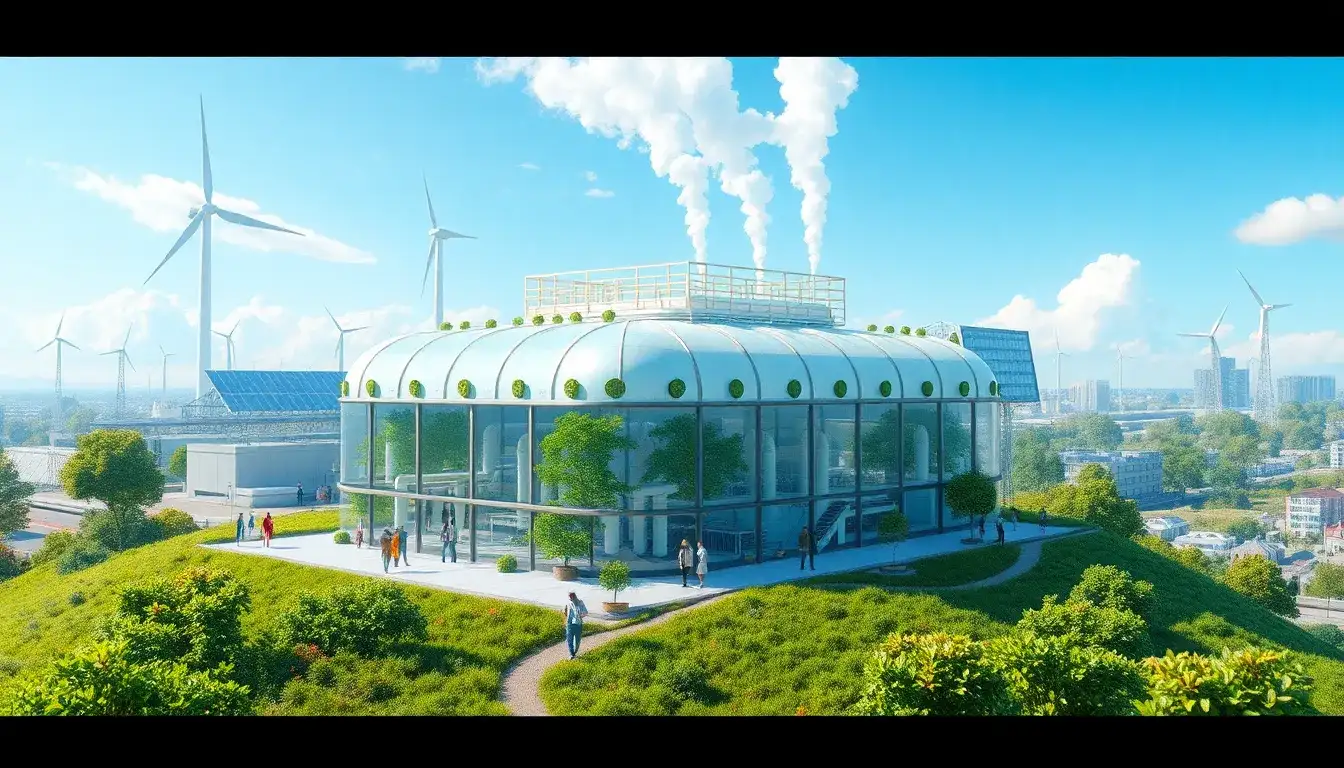
LAES (Liquid Air Energy Storage) systems typically use external fuels only during the charging or discharging phases if integrated with thermal energy sources (e.g., natural gas burners for efficiency enhancement). The environmental implications depend on the specific fuel type:
Biofuels
- Potential benefits: Lower net carbon emissions compared to fossil fuels if derived from sustainable feedstocks (e.g., algae, agricultural waste).
- Drawbacks: Large-scale production risks land-use changes, water depletion, and pollution from fertilizer runoff. Cellulosic biofuels (e.g., corn stover) remain underutilized, limiting projected environmental gains.
Fossil Fuels
- Air pollution: Releases particulate matter, nitrogen oxides (NOx), and sulfur oxides (SOx), contributing to smog, acid rain, and respiratory illnesses.
- Climate impact: High CO₂ emissions exacerbate global warming. SOx from marine fuels initially counteract warming via atmospheric cooling, but this masks underlying GHG effects.
Alternative Fuels
- Sulfur content: Low-sulfur fuels (e.g., LNG) reduce acid rain risk but eliminate SOx-induced cooling, potentially increasing net warming.
- Regulatory factors: Compliance with standards (e.g., RFS Program) may limit impacts, but effectiveness depends on feedstock choices and technology.
For LAES systems, fossil fuel use would mirror conventional combustion impacts, while biofuels could mitigate emissions if sustainably sourced. However, biofuel-related land-use changes and pollution could offset benefits without strict safeguards.
Original article by NenPower, If reposted, please credit the source: https://nenpower.com/blog/what-are-the-environmental-implications-of-using-external-fuels-in-laes-systems/

