

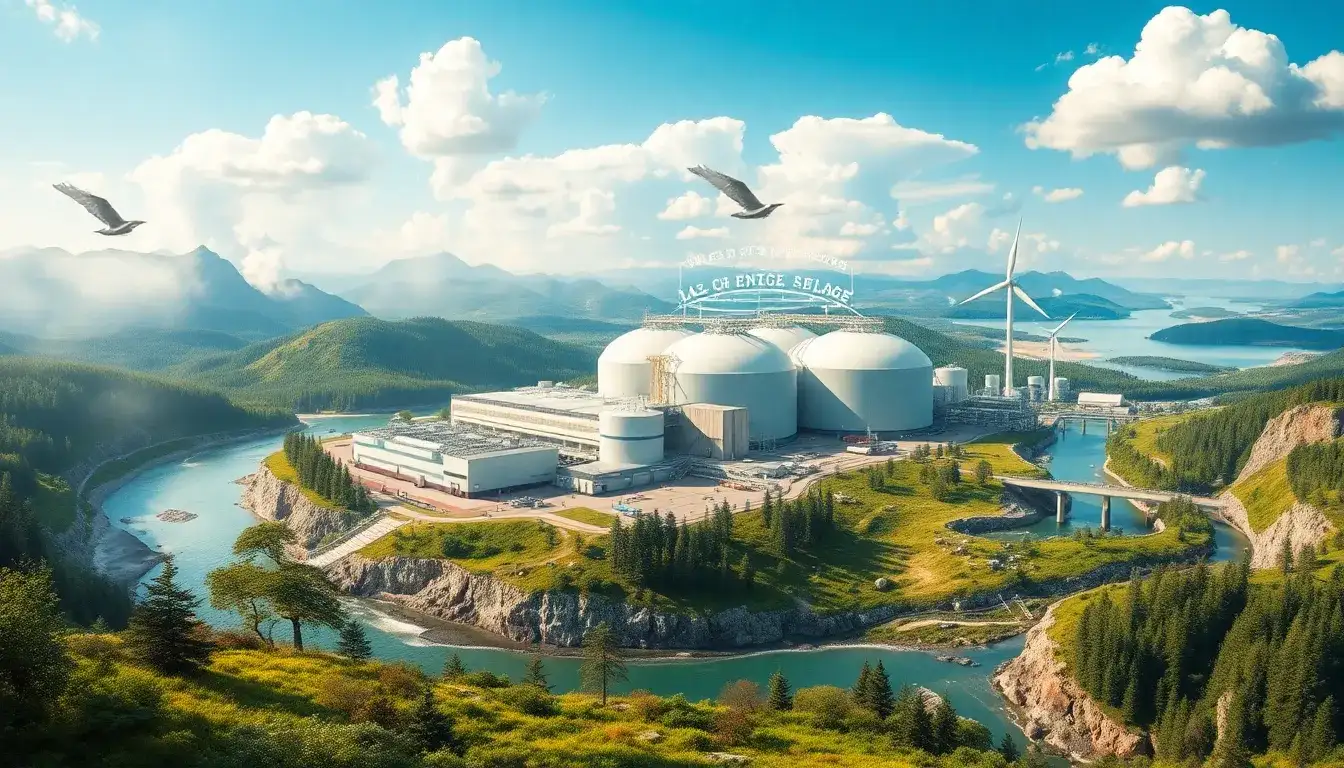
Liquid Air Energy Storage (LAES)
Liquid Air Energy Storage (LAES) systems have several notable environmental impacts, mostly positive but with some challenges:
Positive Environmental Impacts
- LAES uses air as the storage medium, which is abundant, non-toxic, and results in minimal environmental impact during operation compared to other energy storage media that rely on hazardous or rare materials.
- LAES systems have zero emissions during their operation because they do not burn fuels or release contaminants directly.
- They can significantly reduce CO2 emissions in power grids by improving the utilization of renewable energy sources (RES) and reducing reliance on fossil fuel-based generation. For example, in Spain, incorporating LAES in an optimistic scenario reduced CO2 emissions by up to 78% compared to scenarios without LAES.
- LAES is durable and does not suffer from capacity degradation issues common to some battery technologies, contributing to longer system lifetimes and less frequent material replacement.
- The technology is scalable with no geographic constraints, meaning it can be deployed flexibly without significant environmental disruption due to location or size.
Environmental Challenges and Considerations
- LAES generally has lower round-trip energy efficiency compared to lithium-ion batteries, meaning more energy input is needed for the same output, which can indirectly increase environmental impacts depending on the energy source.
- The use of diathermic oil in LAES systems contributes significantly to environmental impacts during manufacture and disposal, accounting for 92% of these impacts in one full life cycle assessment study. This aspect diminishes some sustainability benefits.
- Some LAES designs incorporate external thermal systems or fuels to boost efficiency, but these can generate CO2 emissions and limit the system’s ability to operate independently or reuse waste heat, slightly reducing overall environmental friendliness.
- The integration with external thermal power plants or industrial heat sources is often required to enhance efficiency, which may limit the siting flexibility and introduce additional environmental burdens associated with those external sources.
Summary
LAES systems are environmentally friendly in operation due to their use of abundant, non-toxic air and lack of direct emissions, offering a sustainable option for large-scale energy storage that supports renewable energy integration and reduces CO2 emissions on a system-wide level. However, they face challenges related to lower efficiency and environmental impacts from certain materials like diathermic oil and reliance on external thermal or fuel sources, which must be managed to maximize their environmental benefits.
Original article by NenPower, If reposted, please credit the source: https://nenpower.com/blog/what-are-the-environmental-impacts-of-using-laes-systems/

