

Environmental Impacts of Materials in Battery Storage Systems
Raw Material Extraction
- Resource Depletion and Pollution: The extraction of materials such as lithium, cobalt, and nickel is associated with resource depletion and pollution. Lithium mining, for instance, consumes vast amounts of water, leading to water scarcity in regions like the Lithium Triangle (Bolivia, Argentina, and Chile), while cobalt mining poses toxic risks due to its high toxicity.
- Land Degradation: Open-pit mining for materials like lithium results in significant land degradation, habitat destruction, and loss of biodiversity. For example, clear-cutting native vegetation to expand mines impacts local ecosystems and species.
Manufacturing Process
- Energy-Intensive Production: The manufacturing process for batteries is energy-intensive, often relying on non-renewable energy sources for electricity, leading to greenhouse gas emissions. This indicates that while batteries may support renewable energy integration, their production contributes to emissions.
- Chemical Pollution: The use of chemicals like solvents and acids can result in air, water, and soil pollution during battery production, posing health and environmental risks.
Operational Impacts
- Energy Consumption: Battery storage systems consume energy during charging and discharging cycles. Although they enhance grid stability and support renewables, inefficient energy conversion processes can lead to additional emissions and energy waste.
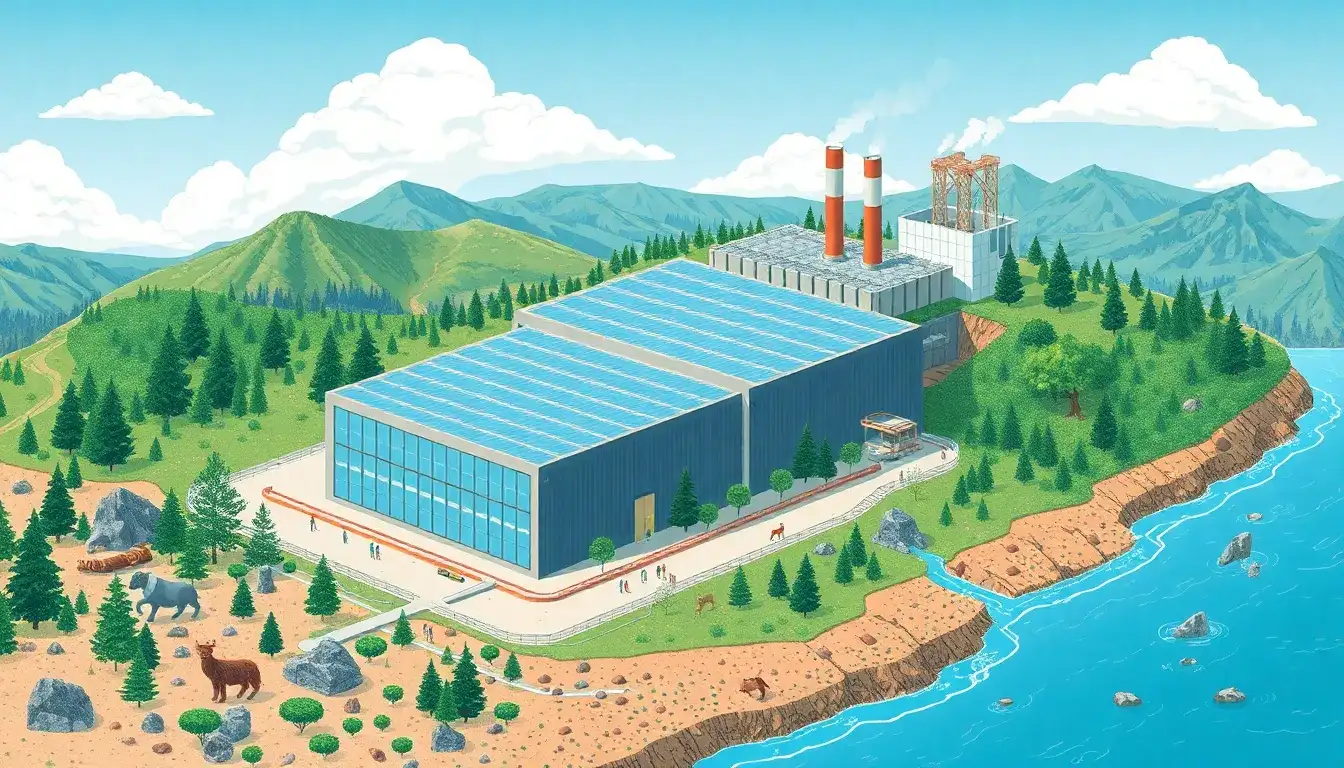
- Infrastructure Development: The installation of large-scale battery systems can involve infrastructure development that may disrupt natural habitats and ecosystems, particularly in sensitive areas.
End-of-Life Disposal
- Waste Management: Improper disposal of batteries can lead to the release of hazardous materials, including heavy metals and electrolytes, which contaminate soil and water and pose risks to wildlife.
- Recycling Challenges: The complex composition of batteries requires specialized recycling processes, but these are often not widely available or cost-effective. Efforts to improve recycling infrastructure are crucial for sustainable disposal practices.
Mitigation Strategies
To address these environmental impacts, strategies such as responsible sourcing of materials, energy-efficient manufacturing, advanced recycling technologies, and second-life applications for batteries are essential. Additionally, regulatory frameworks and collaboration among stakeholders are vital for promoting sustainable battery storage systems.
Original article by NenPower, If reposted, please credit the source: https://nenpower.com/blog/what-are-the-environmental-impacts-of-the-materials-used-in-utility-scale-battery-storage-systems/

