

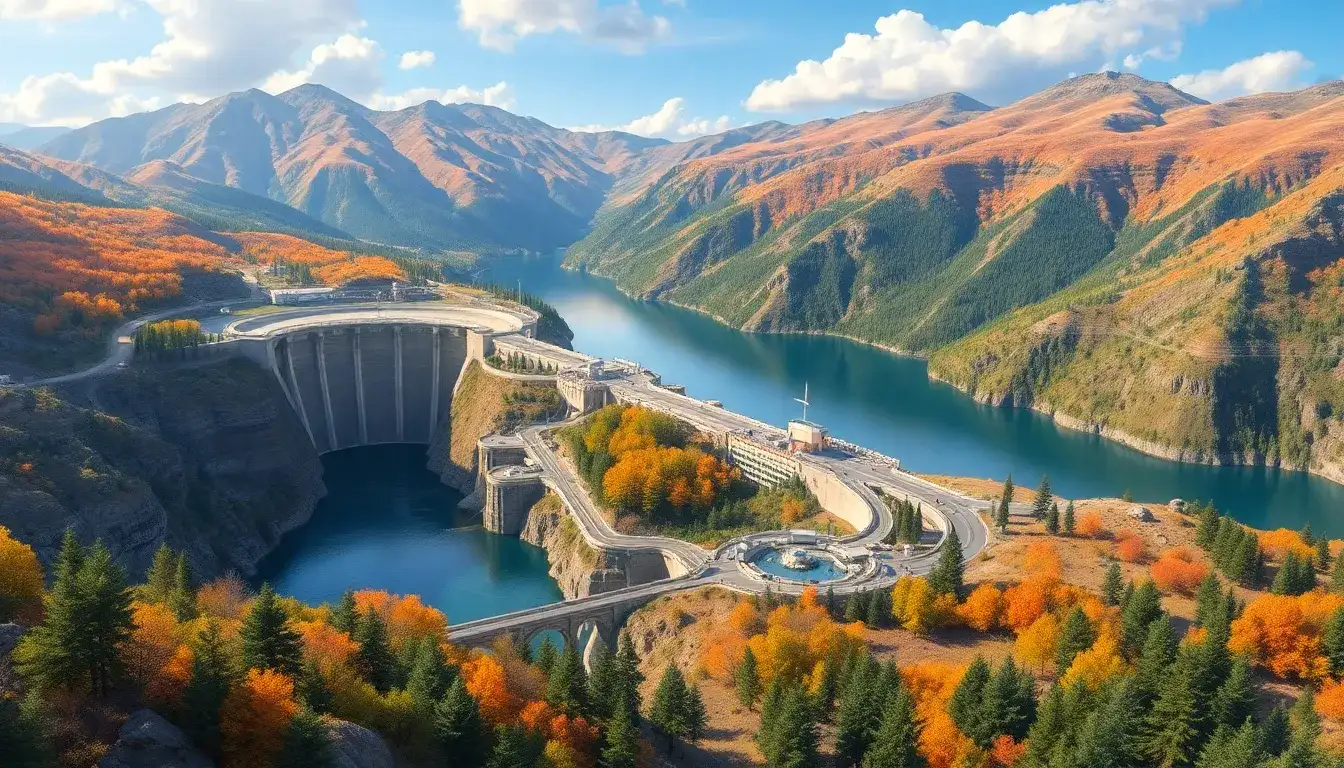
Pumped-storage hydroelectricity (PSH), particularly closed-loop systems, has various environmental impacts that are generally site-specific and can differ from those of traditional hydropower systems. Here are some key environmental impacts of pumped-storage hydroelectricity:
Environmental Impacts
- Alteration of Local Ecosystems: The construction of reservoirs and dams can significantly alter local ecosystems, affect water flow, and disrupt wildlife habitats. This is more pronounced in open-loop systems than in closed-loop ones.
- Geological and Soil Impacts: Closed-loop systems, especially those using groundwater or built in geological formations like former mines, can have higher impacts on geology and soils compared to open-loop systems.
- Water Evaporation: Large reservoirs can lead to significant water evaporation, especially in arid regions, affecting water availability and system efficiency.
- Habitat Disruption: The creation of large reservoirs can displace local communities and wildlife, disrupting existing habitats and leading to ecological imbalances.
- Cultural Resource Impacts: Cultural sites, including indigenous areas, may be affected by the construction of PSH facilities. These impacts can be challenging to mitigate.
Advantages of Closed-Loop Systems
- Lower Greenhouse Gas Emissions: Closed-loop PSH systems are recognized for having lower life cycle greenhouse gas emissions compared to other energy storage technologies, such as lithium-ion batteries.
- Flexibility in Siting: Closed-loop systems are not dependent on natural water flows, providing greater flexibility in choosing project locations.
- Localized Impacts: Closed-loop facilities typically affect the environment on a more localized level compared to open-loop systems.
Challenges and Mitigation Strategies
- High Initial Costs: The high cost of constructing reservoirs, dams, turbines, and generators can be a significant barrier.
- Geographical Limitations: Not every location is suitable for PSH due to the need for adequate elevation differences between reservoirs.
- Mitigation Strategies: Minimizing environmental impacts involves careful site selection, use of existing infrastructure, and employing advanced technologies to reduce.
Summary of Environmental Impacts
Pumped-storage hydroelectricity (PSH) has both benefits and drawbacks in terms of its environmental impact:
Benefits:
- Low Greenhouse Gas Emissions: Closed-loop PSH systems have lower life cycle greenhouse gas emissions compared to other large-scale energy storage technologies, making them a valuable tool for reducing carbon footprints.
- Flexibility in Siting: Closed-loop systems can be built in more diverse locations since they don’t rely on continuous natural water flow, offering greater flexibility in project siting.
Drawbacks:
- Ecosystem Disruption: The construction of reservoirs and dams can alter local ecosystems, affecting water flow and wildlife habitats.
- Water Evaporation and Energy Loss: Large reservoirs can lead to significant water evaporation, and the process of pumping water uphill results in a net energy loss.
- Cultural Resource Impacts: PSH projects, especially closed-loop ones, can affect cultural sites, including those important to indigenous communities.
Mitigation Strategies
To minimize environmental impacts, careful site selection and the use of existing infrastructure are recommended. Implementing advanced technologies can also enhance system efficiency and reduce environmental effects.
Despite these challenges, closed-loop PSH is recognized for its minimal environmental impact compared to open-loop systems and other large-scale energy storage methods.
Original article by NenPower, If reposted, please credit the source: https://nenpower.com/blog/what-are-the-environmental-impacts-of-pumped-storage-hydroelectricity/

